


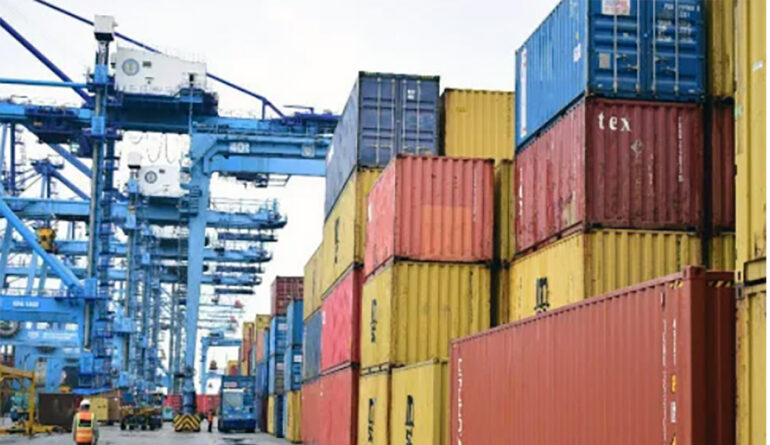
Uganda’s export sector recorded impressive growth in December 2024, with merchandise exports increasing by about 14% according to the January 2025 Performance of the Economy Report released by the Ministry of Finance, Planning and Economic Development. The report shows that the December exports rose to about USD722 million (UGX 1.92 trillion) up from USD634 million in December 2023, primarily fuelled by higher earnings from coffee, mineral products, sesame (simsim), fish, and related products. The growth trend was also evident on a month-to-month basis, with exports increasing by 7.3% from USD 672.62 million in November 2024. Alongside export growth, investor confidence in Uganda’s economy remained strong, as reflected in the Business Tendency Index (BTI), which stood at 58.10 in December 2024 well above the 50-mark threshold that signals optimism. This indicates that investors and business owners expect continued economic expansion over the next three months. Similarly, the Composite Index of Economic Activity (CIEA), a measure of economic performance, recorded a 0.2% increase, rising from 168.0 in November to 168.4 in December 2024. This uptick reflects resilience in economic activity despite external pressures. Meanwhile, borrowing costs for businesses declined as the weighted average lending rates for Shilling-denominated credit fell from 18.08% in November 2024 to 17.37% in December 2024. This reduction was driven by a gradual easing of monetary policy and an increase in lending to prime corporate borrowers, who secured lower interest rates due to their reduced credit risk. Despite the strong export performance, Uganda’s import bill topped USD1.052 billion (about UGX 3.84 trillion) in December 2024. The increase in imports was mainly attributed to a higher demand for vegetable and animal products, beverages, fats and oils, base metals, plastics, rubber, prepared foodstuffs, and tobacco. Asia continued to dominate Uganda’s imports, accounting for 37.4% in December 2024. China and India were the leading suppliers, contributing 50.8% and 21.0% of Uganda’s imports from Asia, respectively. Other major sources of imports included the East African Community (EAC), the rest of Africa, and the Middle East, which accounted for 22.6%, 17.4%, and 11.3% of total imports, respectively. Within the EAC, Tanzania and Kenya were Uganda’s top trading partners, supplying 69.8% and 26.1% of Uganda’s imports from the region, respectively. Uganda’s export sector is showing promising resilience and growth, fuelled by agriculture, minerals, and fisheries. The strong performance of business confidence indicators and lending rate reductions further supports the country’s economic outlook. However, the trade deficit remains a challenge due to higher import volumes. To sustain economic progress, the government and private sector must focus on expanding domestic production, increasing value addition, and reducing reliance on imports. With continued policy support and investment in export-oriented industries, Uganda’s trade balance could improve, ensuring sustainable economic growth in the long run.
Coffee, minerals spur Uganda’s exports in December

Last updated: