



For nearly three decades, MultiChoice and its DStv brand were as much a part of the African living room as the sofa itself.
Born in South Africa in the early 1990s, DStv grew into the continent’s dominant pay-television platform – a home-grown champion that, for millions of English-speaking Africans, was simply the television experience.
It brought Premier League football to bars in Jinja and Hoima, news to hotels in Pader and Kisoro, and Moonbug to children from Cairo to Cape Town.
That era is now over. And its ending deserves serious attention.
In late 2025, France’s Groupe Canal+ completed a 20-month corporate pursuit that culminated in the full acquisition of MultiChoice Group – DStv’s parent company.
Canal+ secured over 94% of MultiChoice shares, triggered a compulsory buyout of remaining shareholders, and delisted MultiChoice from the Johannesburg Stock Exchange in December 2025.
A South African media icon became a subsidiary of a global French media conglomerate, backed by the powerful Vivendi group.
The numbers speak to the scale of what has been assembled: the combined entity now serves over 42 million subscribers across 70 countries.
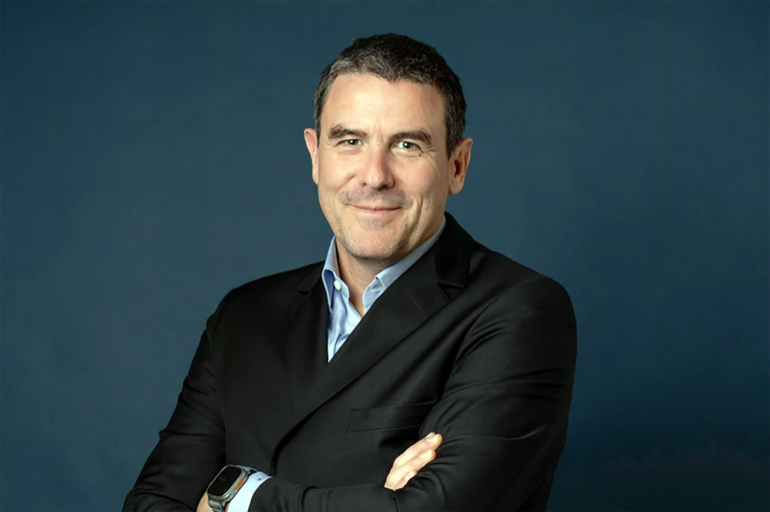
The transition has not been quiet. New leadership arrived swiftly.
Canal+ CEO Maxime Saada installed himself as Chairman, David Mignot was named CEO of MultiChoice and Canal+ Africa, and former CEO Calvo Mawela moved sideways into a ceremonial role.
These are not cosmetic changes – they signal a fundamental shift in strategic direction, from Johannesburg to Paris.
The early moves have been bold. Showmax, the streaming platform that MultiChoice spent years and considerable resources building as Africa’s answer to Netflix, has been shut down.
Saada described it bluntly as a loss-making venture with no credible recovery path.
In its place comes a unified Canal+ streaming app aggregating Netflix, Disney+, and HBO content. In a single decision, years of local streaming investment were erased.
What replaces it may be more powerful, but it is decisively less African.
In an unusual and arguably consumer-friendly signal, DStv prices in South Africa were not raised on April 1, 2026 – the first such freeze in decades.
Canal+ has committed roughly Euro 100 million to a subscriber growth programme, hiring 1,000 new sales staff and cutting decoder prices to lower the barrier to entry. The message is clear: the new owners want volume before margin. For now.
For Uganda specifically, the picture is nuanced. We sit at a linguistic and commercial crossroads – Anglophone in orientation but surrounded by Francophone neighbours – making us among the most directly affected markets on the continent.
In the short term, stability is the most honest promise. Canal+’s deep pockets mean DStv is no longer fighting budget constraints and rivals such as StarTimes.
But the aggressive promotional discounts that benefited cost-conscious Ugandan subscribers are going to be in the past.
The medium-term risk is content. Canal+ has historically prioritised its own French-language productions and Ligue 1 football over the Premier League rights that define weekend viewing culture across Uganda.
Whether EPL access remains within standard packages – or migrates to a premium tier – will be the single most consequential decision for millions of Ugandan football lovers.
Undoubtedly, rural customers, small bar owners, bibanda, schools, and anyone relying on affordable shared-viewing arrangements face heightened uncertainty.
Canal+ has a track record, demonstrated across West Africa, of tightening commercial licensing and consolidating local channels into lower-tier bouquets.
On the investment side, Canal+ has committed to a secondary listing on the JSE by mid-2026 — a condition imposed by South African regulators to ensure local investor participation.
The move is largely symbolic for Ugandans, but it confirms Canal+’s long-term bet on Africa as its primary growth engine.
That is, perhaps, the most important takeaway. Canal+ is not here briefly. Africa is the centre of its global ambition. That means the transformation of DStv is not a transitional inconvenience; it is a permanent new reality.
Ugandan viewers, regulators at the Uganda Communications Commission, and local broadcasters would all be wise to engage actively with what this new entity offers, and what it takes away.
The remote control has changed hands. The question now is whether or not the viewing experience changes for better or worse. Watch this space.