


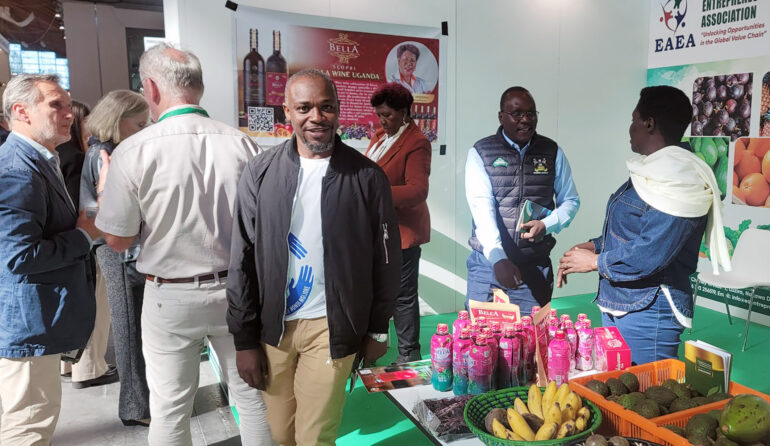
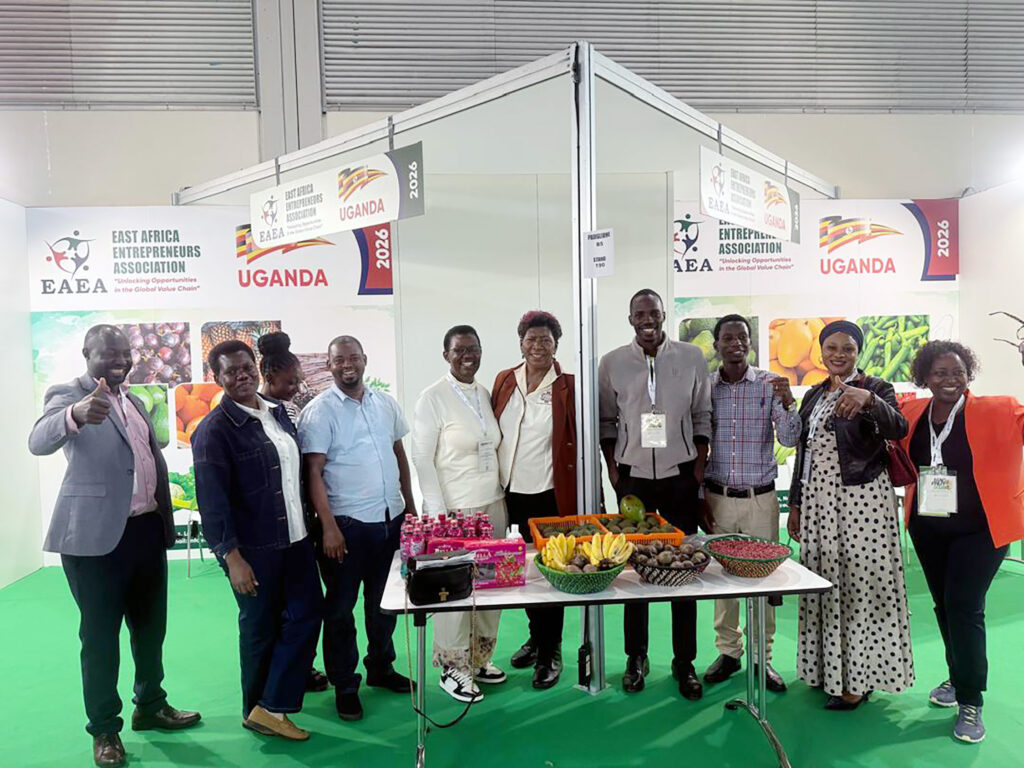
More than 45 Ugandan companies travelled to the Rimini Expo Centre this week for the 43rd edition of Macfrut, one of the world’s most consequential agribusiness trade fairs, where over 800 top buyers from more than 80 countries have converged to scout products, forge supply chains, and close deals.
Led by Ambassador Elizabeth Paula Napeyok and the Uganda Embassy in Rome, the delegation – drawn from firms including Agritrade, Bela Wine and Hortifresh, and coordinated through the East Africa Entrepreneurs Association – showcased Uganda’s mangoes, pineapples, passion fruits, avocados, and specialty coffee.
On paper, it reads like a success story. In practice, it raises a more uncomfortable question: how many of these 45 companies showed up on their own shilling, and how many had government backing?
For starters, Macfrut is not a mere ceremonial event. Italy’s fruit and vegetable sector alone is worth €19 billion, accounting for more than a quarter of the country’s agricultural output. Italian agri-food exports hit a historic €72.4 billion in 2025, up 11.3% from the previous year.
The buyers walking those exhibition floors are not merely window-shopping; they are building supply relationships worth hundreds of millions of dollars annually.
For Uganda, a country where agriculture employs the majority of the working population and smallholder farmers grow the bulk of its export crops, access to markets like this is not a luxury.
It is the difference between a farmer in Kasese earning a fair price for her passion fruit and watching it rot at a roadside market.
Ambassador Napeyok put it plainly: Uganda must maintain high product quality and improve transportation logistics if it wants a permanent foothold in European markets.
She called for tighter collaboration between farmers and private sector players to meet international standards. That is the right message.
But standards and logistics require investment – and investment, in Uganda’s context, requires a government that treats trade promotion as a national priority, not an afterthought.
Kenya and Ethiopia do not leave such events to chance. Both governments run structured, funded programmes that support their exporters at international trade fairs – covering logistics, booth costs, market intelligence, and follow-up.
Ethiopian coffee and Kenyan fresh produce have become global brands not merely because of geography or climate, but because their governments understood that getting farmers’ products in front of international buyers requires sustained, strategic support.
Uganda has the raw material. It has world-class coffee, some of the finest avocados on the continent, and mangoes that can compete with any supplier on the global market.
Macfrut 2026 even spotlighted avocados and mangoes as its headline products this year – a $80 billion global market opportunity with Uganda sitting right at the table. Yet, showing up once, impressively, is not a strategy.
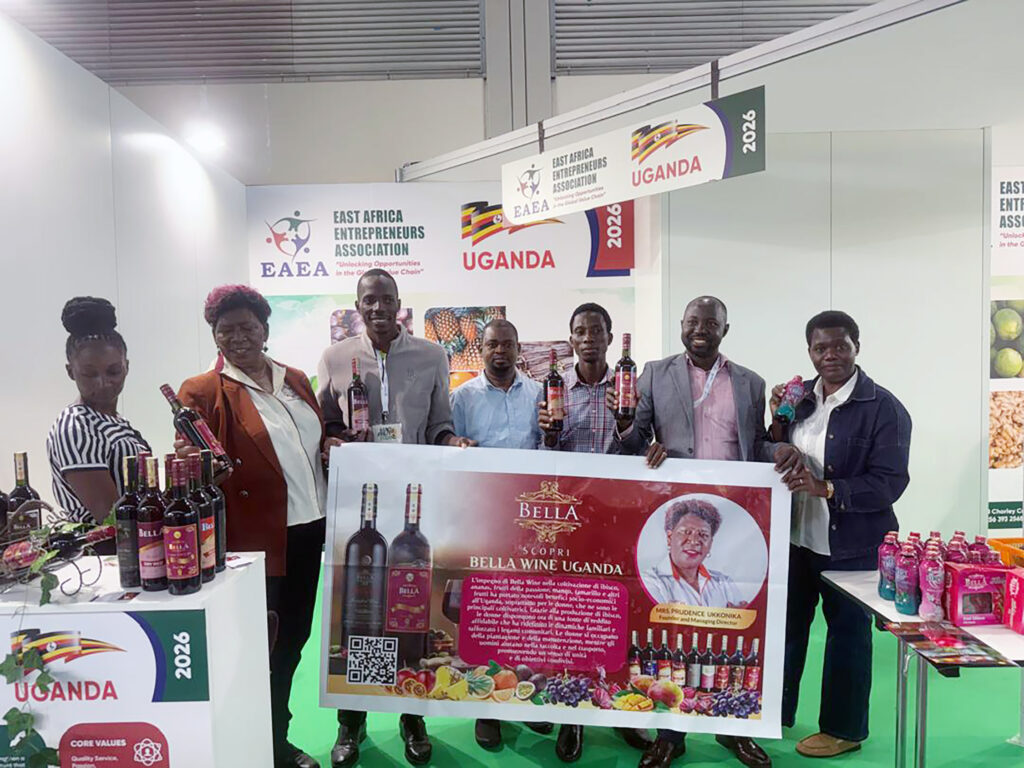
The Innovation Angle
This year’s Macfrut included a dedicated start-up area featuring 25 innovative proposals from around the world, including Uganda.
That detail should not pass without notice. Ugandan entrepreneurs are not just selling raw commodities; they are arriving with innovations capable of standing alongside global competitors on the world stage.
That is the kind of soft power that builds a country’s brand, attracts investment, and opens doors that no bilateral political meeting can.
But innovators cannot sustain this momentum without institutional support. Trade fairs cost money. Market preparation costs money.
The companies that return year after year – and eventually win multimillion dollar contracts – are the ones backed by governments that understand that trade promotion is part and parcel of economic policy.
Uganda’s participation at Macfrut 2026 is genuinely encouraging. Forty-five companies, a proactive embassy, quality products, and even innovations on display; this is a foundation worth building on. But foundations need structure.
Government must step forward with coordinated, funded support for exporters attending global trade events: subsidised participation, export preparation programmes, and follow-through mechanisms that turn a trade fair handshake into a signed contract.
The world’s buyers are camped in Rimini. Uganda has showed up. Now, the hard work begins -and it cannot be left to exporters alone.