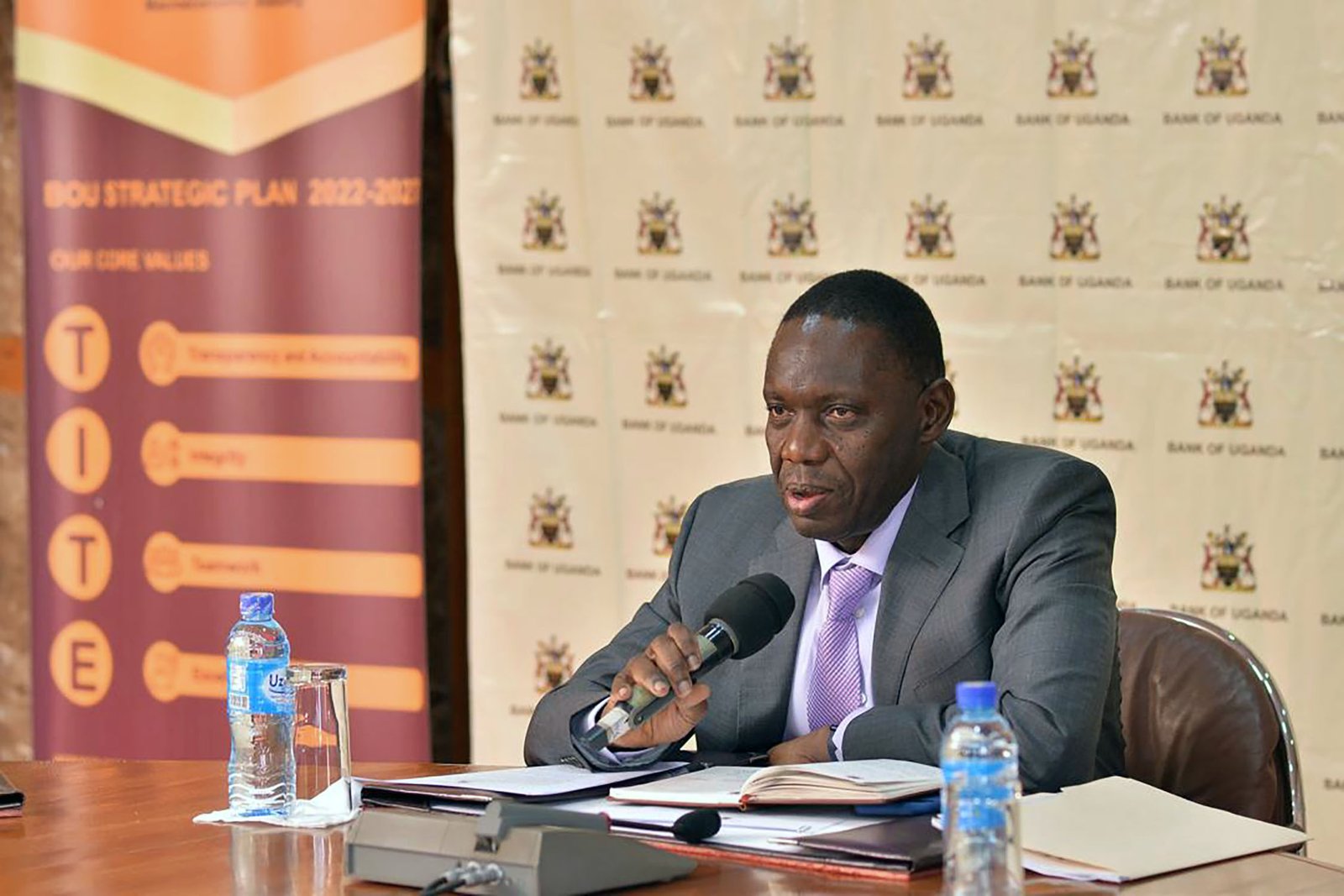
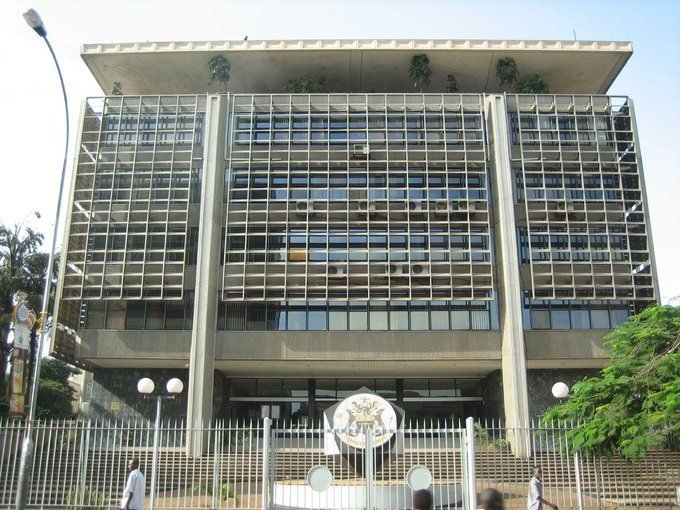
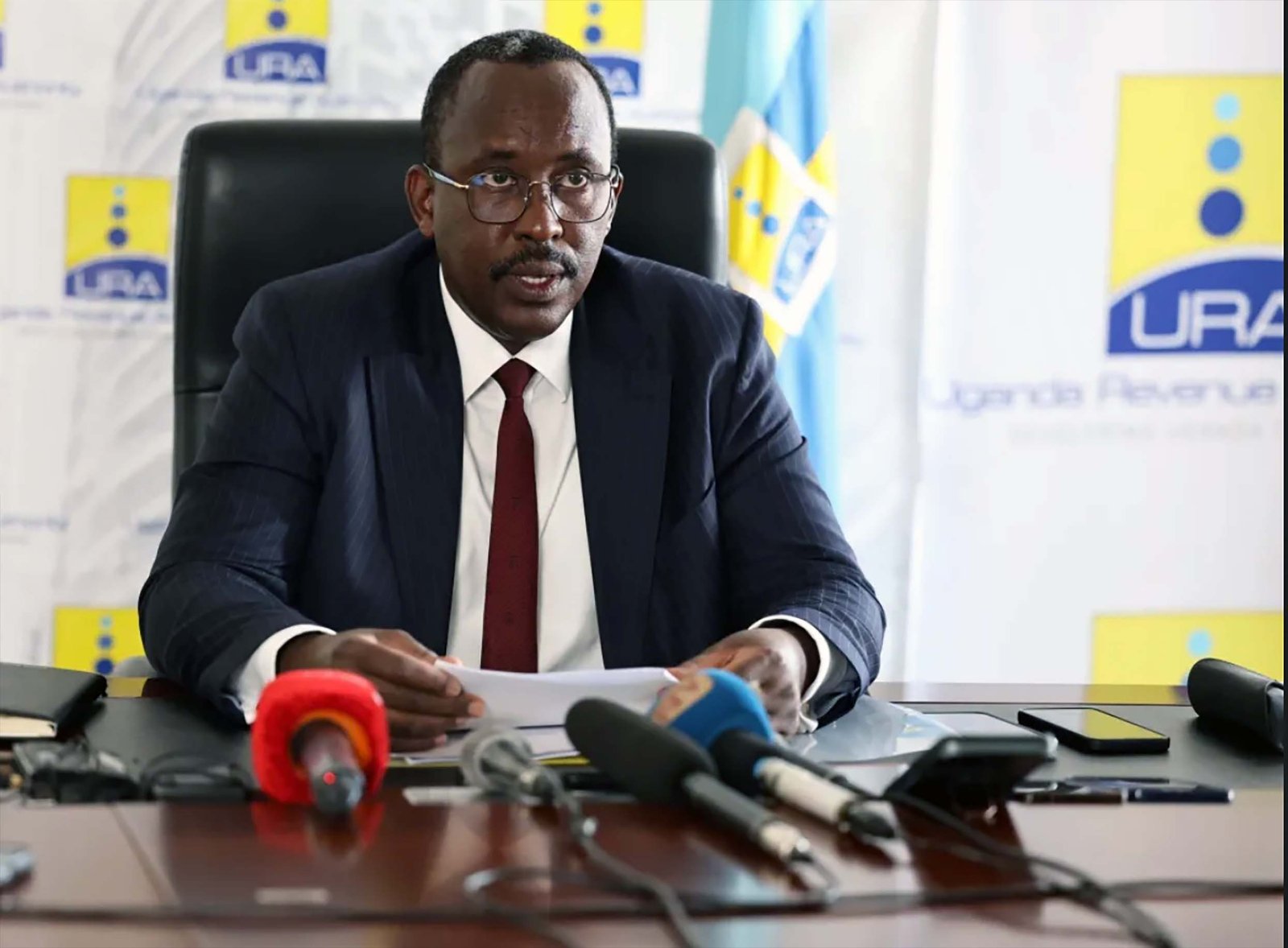
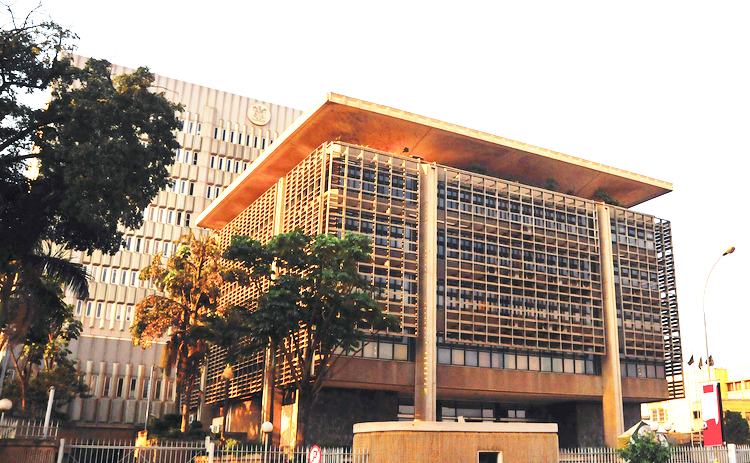
The Bank of Uganda (BoU) has maintained the Central Bank Rate (CBR) at 9.75%, a move that signals caution and confidence as the country navigates global economic uncertainty, geopolitical tensions and excess liquidity pressures during the electoral period. The decision, announced following the Monetary Policy Committee’s (MPC) August meeting, reflects the Central bank’s effort to balance price stability with economic growth, while fostering socio-economic transformation. Despite external challenges, including volatile commodity prices and geopolitical conflicts, Uganda’s macroeconomic performance in the fiscal year 2024/25 has shown resilience. Inflation has remained within safe bounds, with annual headline inflation averaging 3.4% and core inflation at 3.9%, both comfortably below the BoU’s medium-term target of 5%. In July 2025, headline inflation declined further to 3.8%, largely due to easing prices in food crops and services. The economy has grown by an estimated 6.3% in FY2024/25, slightly higher than the 6.1% recorded in the previous year. Growth has been driven by stable inflation, exchange rate steadiness, and government investment in infrastructure and the extractive sectors. Strong coordination between fiscal and monetary policies has anchored investor confidence and supported economic stability even as the external environment remains challenging. Looking ahead, the BoU projects that real GDP would grow between 6.0% and 6.5% in FY2025/26. This outlook is supported by increased agricultural production, higher capital inflows into the oil and mining sectors, and continued monetary prudence. Core inflation is expected to remain under control, forecast between 4.5% and 4.8%, aided by stable exchange rates, improved food availability, and favorable global oil prices. Maintaining the CBR at 9.75% brings several important benefits. It provides predictability for investors and financial institutions, allowing for better medium-term planning. Economist Darius Mugabi of Makerere University Business School noted that “the balance between growth and stability remains a central focus for Uganda’s economic future,” underscoring the importance of a consistent monetary stance, especially when domestic fundamentals are strong but external risks persist. The decision also promotes stability in the financial sector by preventing abrupt changes in lending and deposit rates. This steadiness helps banks plan effectively and maintain liquidity, while shielding borrowers from volatility. It ensures that credit remains accessible without spurring inflation through excessive consumption. Additionally, holding the rate steady allows for flexibility in responding to future developments. Should inflationary pressures rise or global economic conditions deteriorate, the central bank retains room to either tighten or ease its policy stance. The decision to hold, rather than adjust the rate prematurely, reflects prudent risk management in an unpredictable environment. However, economist Dr. Fred Muhumuza of Makerere University, is concerned about the impact of elevated interest rates on credit availability. “The cost of credit remains a challenge for the private sector, especially small and medium enterprises,” he remarked earlier this year. He warned that high borrowing costs and growing public debt could strain banks and limit access to financing, particularly for vulnerable sectors of the economy. His perspective adds a cautionary note, reminding policymakers to remain attentive to the transmission effects of monetary decisions. This latest CBR announcement follows a period of deliberate policy adjustments. Earlier in the year, the BoU raised the rate from 9.0% to 10.25% in response to inflationary concerns, before bringing it down to 9.75% as price pressures eased. According to Bank of Uganda Governor Michael Atingi-Ego, the current stance is appropriate for maintaining inflation expectations while supporting economic activity. He acknowledged ongoing risks such as adverse weather, global supply chain disruptions, and exchange rate volatility but affirmed the bank’s readiness to act as needed. However, there is concern ahead of the campaign period for the February 2026 general elections, given that the highly commercialized electoral season always tends to flood the economy with excess liquidity, leading to inflationary pressures.
Central Bank holds key rate steady at 9.75%
The Edge Brief
Business stories from Uganda and the region, delivered to your inbox. Free, with one-click unsubscribe.