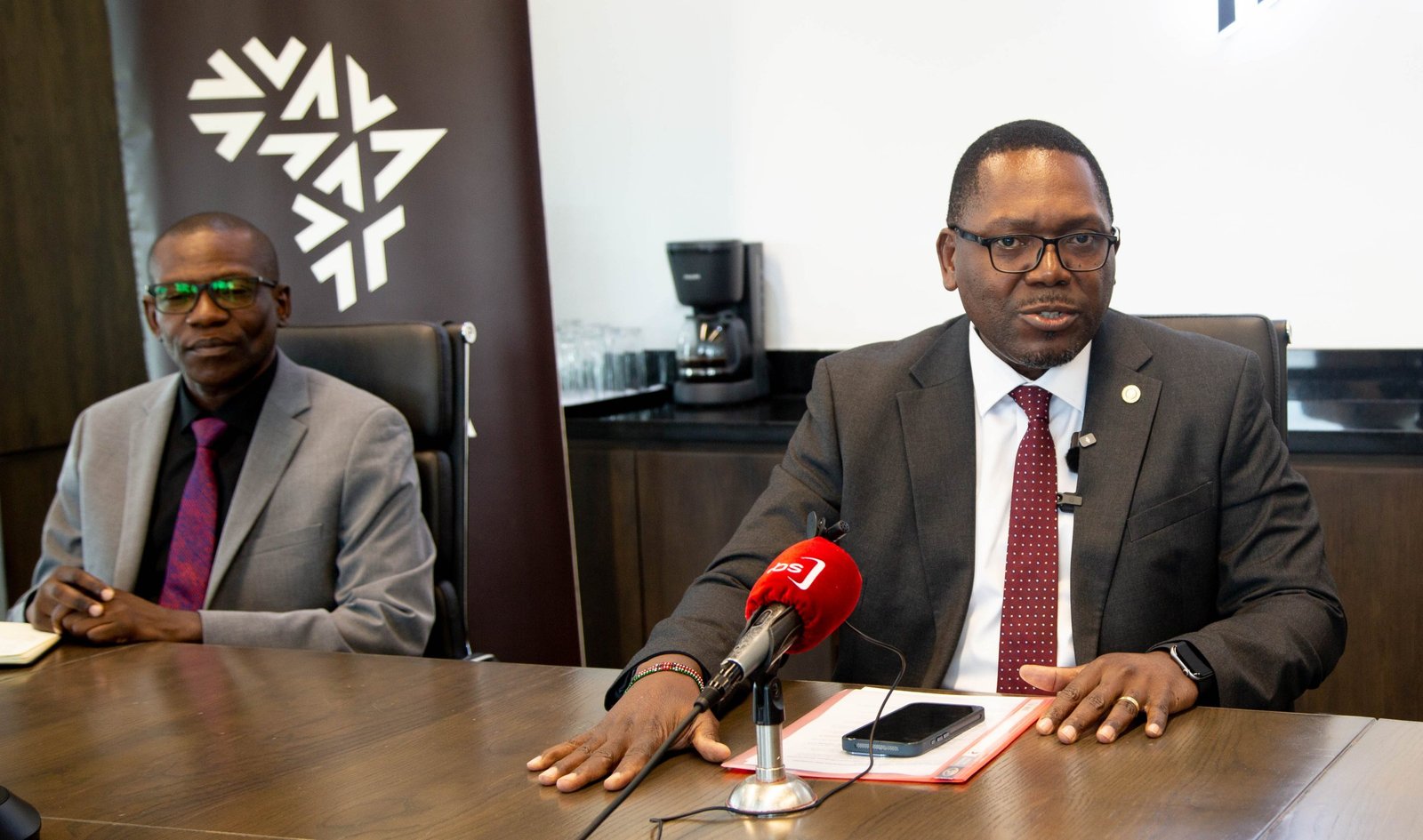
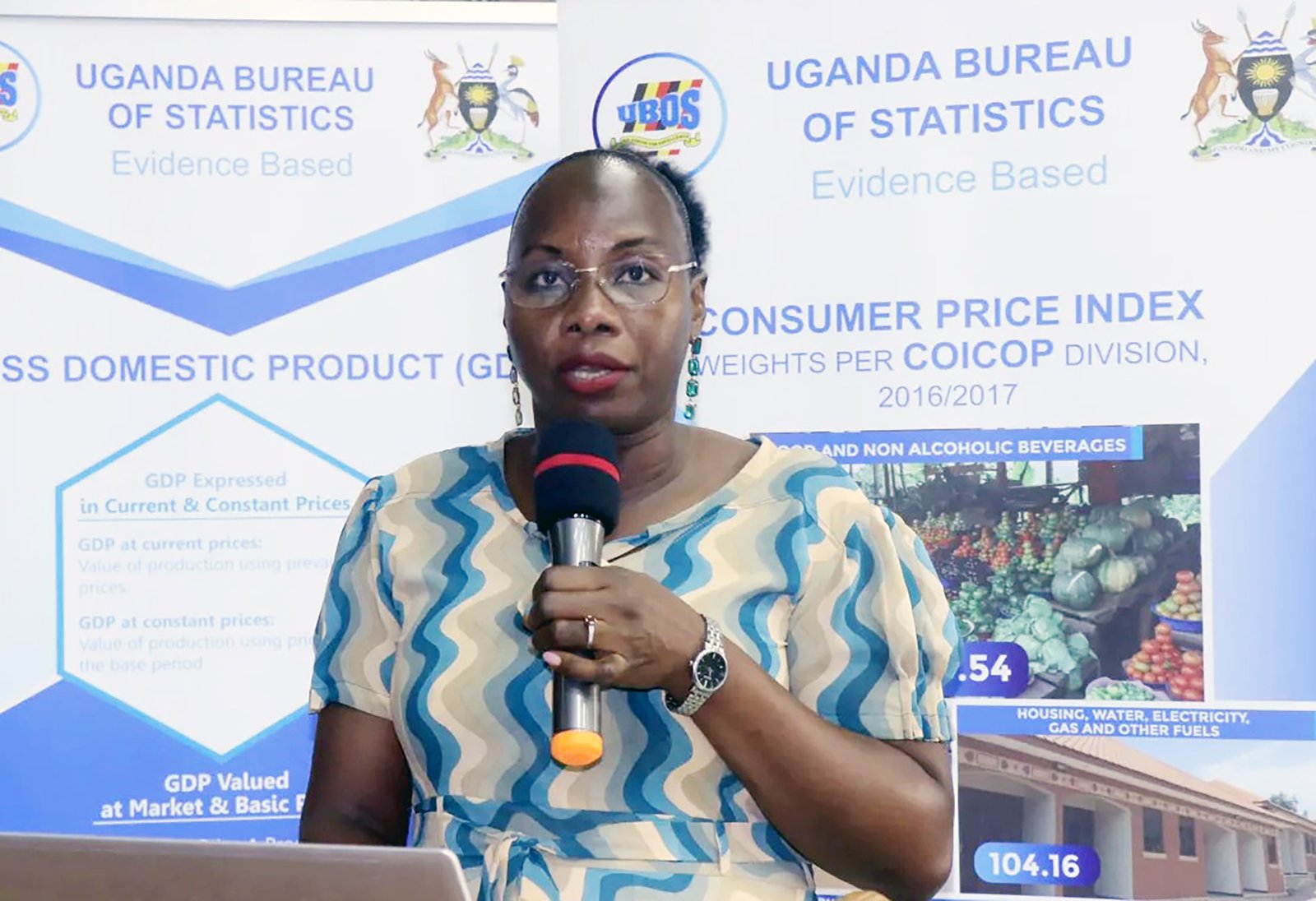
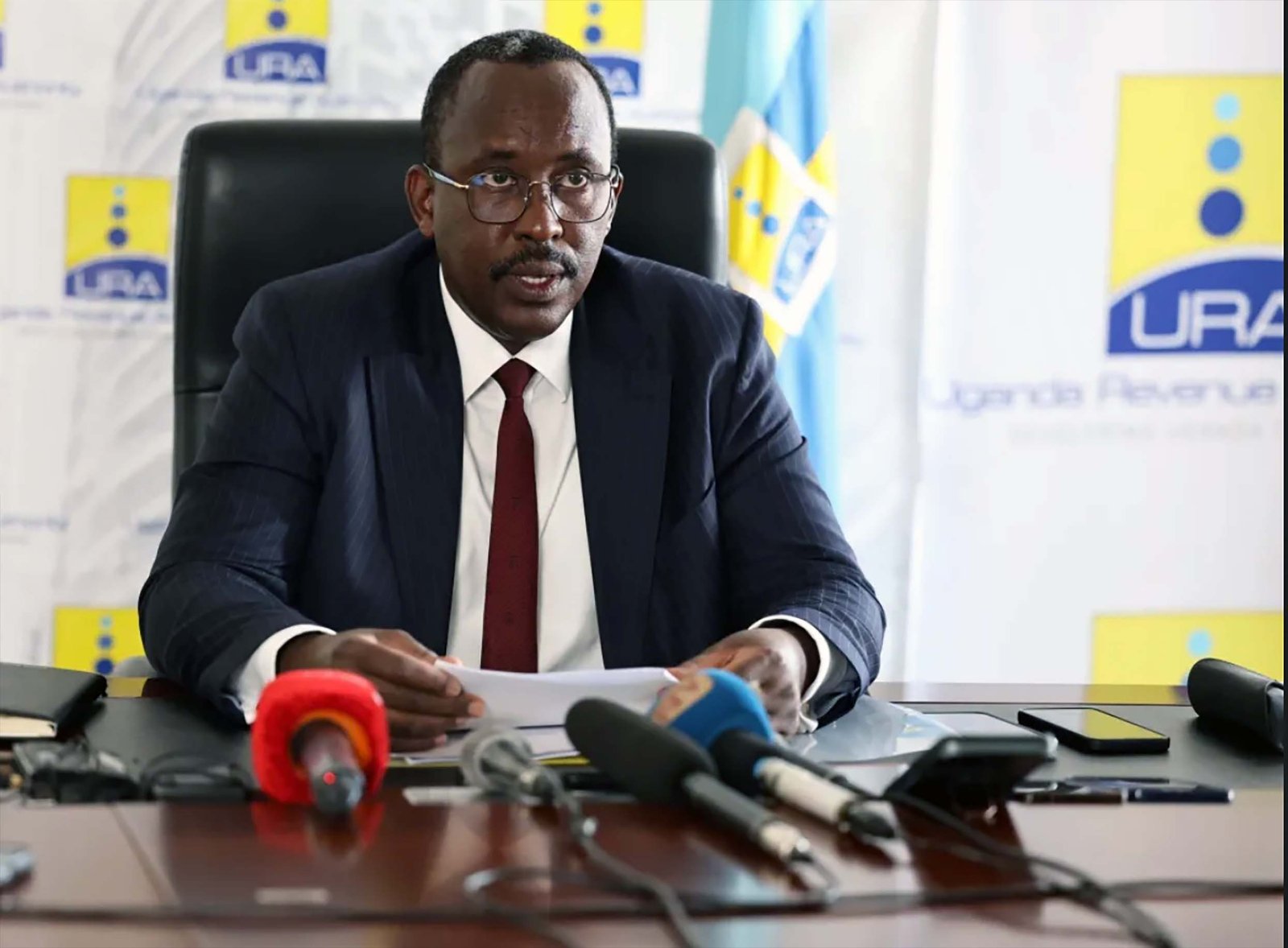
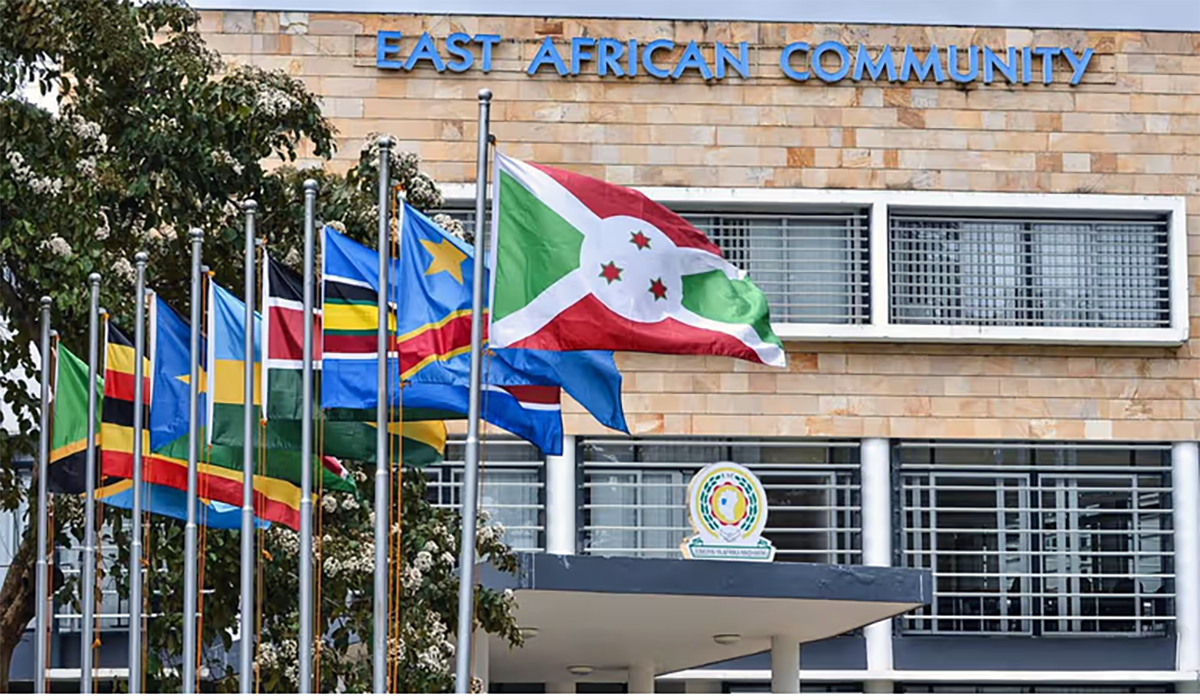
A financial crisis is threatening to cripple the East African Community (EAC) as member states collectively owe a staggering $58 million (UGX 220 billion) in unpaid annual contributions as of March 2025. The rising arrears have severely disrupted operations, delayed staff salaries, and put essential regional programs at risk raising fears about the future of East Africa’s integration agenda. Each of the eight EAC member states is required to contribute $7.3 million (UGX 27.7 billion) annually to support the bloc’s operations. These funds finance institutions such as the EAC Secretariat, the East African Court of Justice (EACJ), the East African Legislative Assembly (EALA), and a range of cross-border development projects. However, only Kenya and Tanzania have fully paid their dues for the current financial year. Uganda has paid 99% of its obligation, while the remaining member states Burundi, Rwanda, South Sudan, and the Democratic Republic of Congo (DRC) have fallen far behind. During the EAC Post-Budget Dialogue for the 2025/26 financial year, held at Hotel Africana in Kampala and organized by SEATINI Uganda, Uganda’s Minister for EAC Affairs, Rebecca Kadaga, expressed concern over the ongoing financial delinquency by some partner states. “We are eight, but only four members are contributing. The others are still having a free ride, yet they continue to expect benefits from the EAC,” Kadaga said. She noted that this year’s budget had to be passed virtually due to financial constraints. Her remarks sparked critical responses from stakeholders, including Fred Mwebya, General Manager of Startboom Digital, who urged the EAC to invest in digital infrastructure to cut costs and ensure wider participation. “My concern is what are the other four States doing in the community? Why hasn’t the EAC invested in technology to run its affairs more efficiently?” Mwebya asked. He also criticized the absence of DRC and South Sudan at the Kampala meeting, despite their official membership in the bloc. While Kadaga did not name the non-paying countries, Uganda itself has been cited in parliamentary reports for failing to meet its financial obligations to international organizations. Catherine Lamwaka, Chairperson of Parliament’s Foreign Affairs Committee, revealed that Uganda’s arrears will hit UGX 89.7 billion ($23.6 million) by June 2025. Yet, only UGX 17.6 billion ($4.6 million) has been allocated in the 2025/26 national budget to settle these debts, leaving a shortfall of UGX 72.1 billion ($19 million). Mwebya emphasized that the EAC must modernize to survive. “It’s high time we moved from traditional, expensive methods to modern, inclusive systems. Without adequate funding and innovation, the EAC cannot deliver on its mandate,” he said. The Secretariat, under the leadership of Secretary-General Veronica Nduva, has been forced to scale back operations due to the shortfall. According to Zawya report the EACJ is overwhelmed with a backlog of over 260 pending cases, worsened by a shortage of permanent judges. The EALA has skipped several sessions due to lack of funds, while the Secretariat itself is grappling with 150 vacant positions and the expected departure of 30 senior staff members by the end of the financial year.
EAC in crisis over members’ UGX220 bn arrears
The Edge Brief
Business stories from Uganda and the region, delivered to your inbox. Free, with one-click unsubscribe.