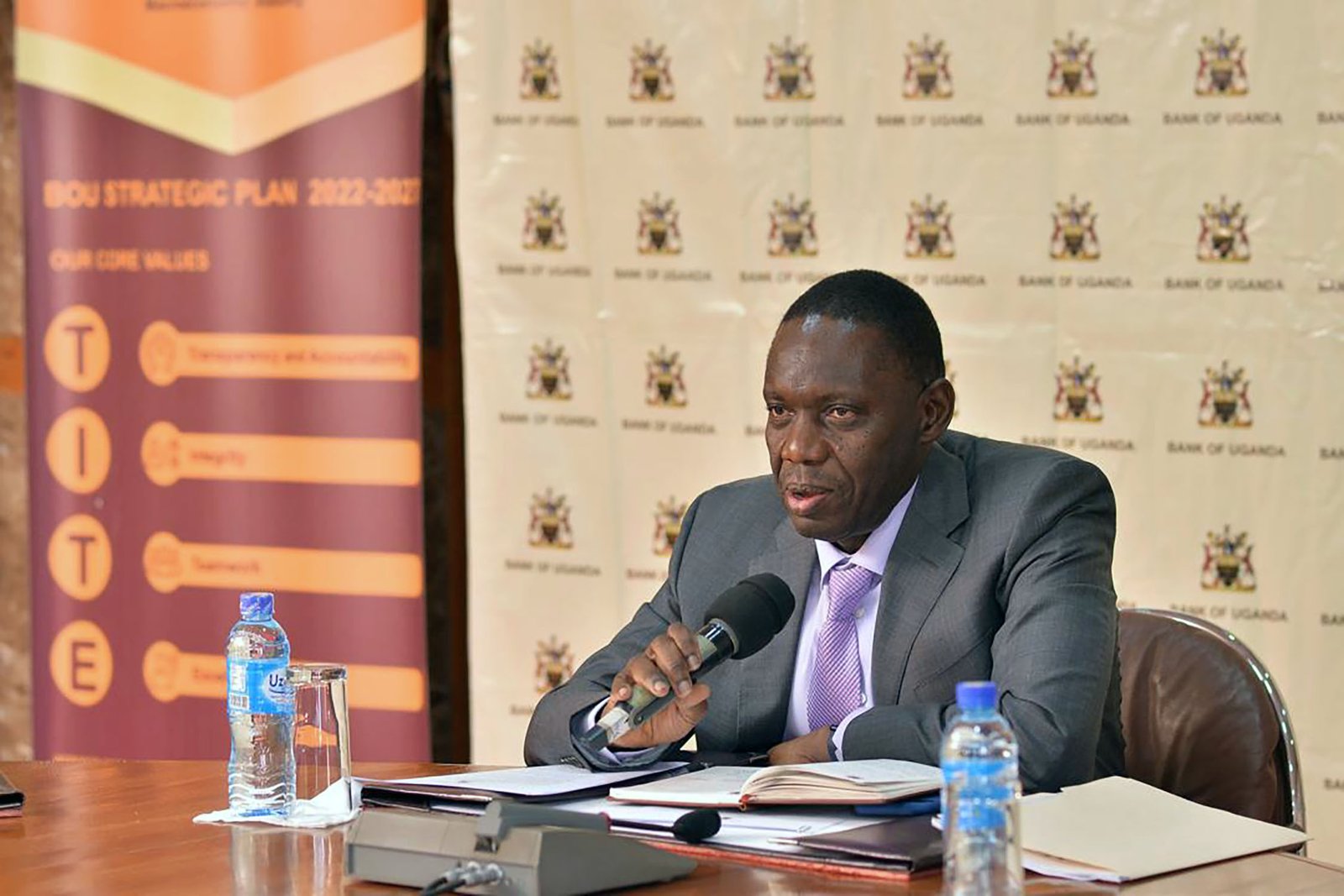
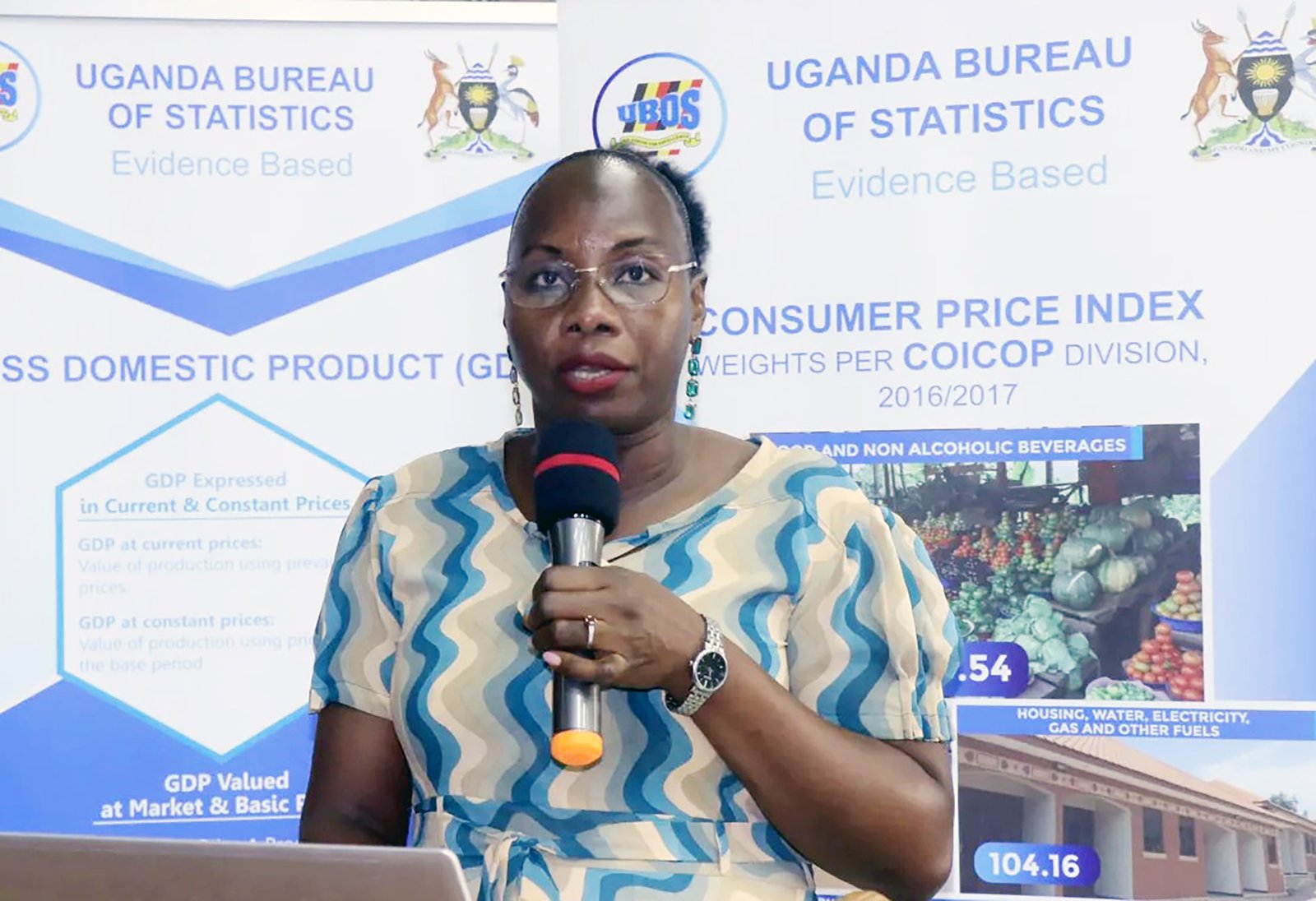
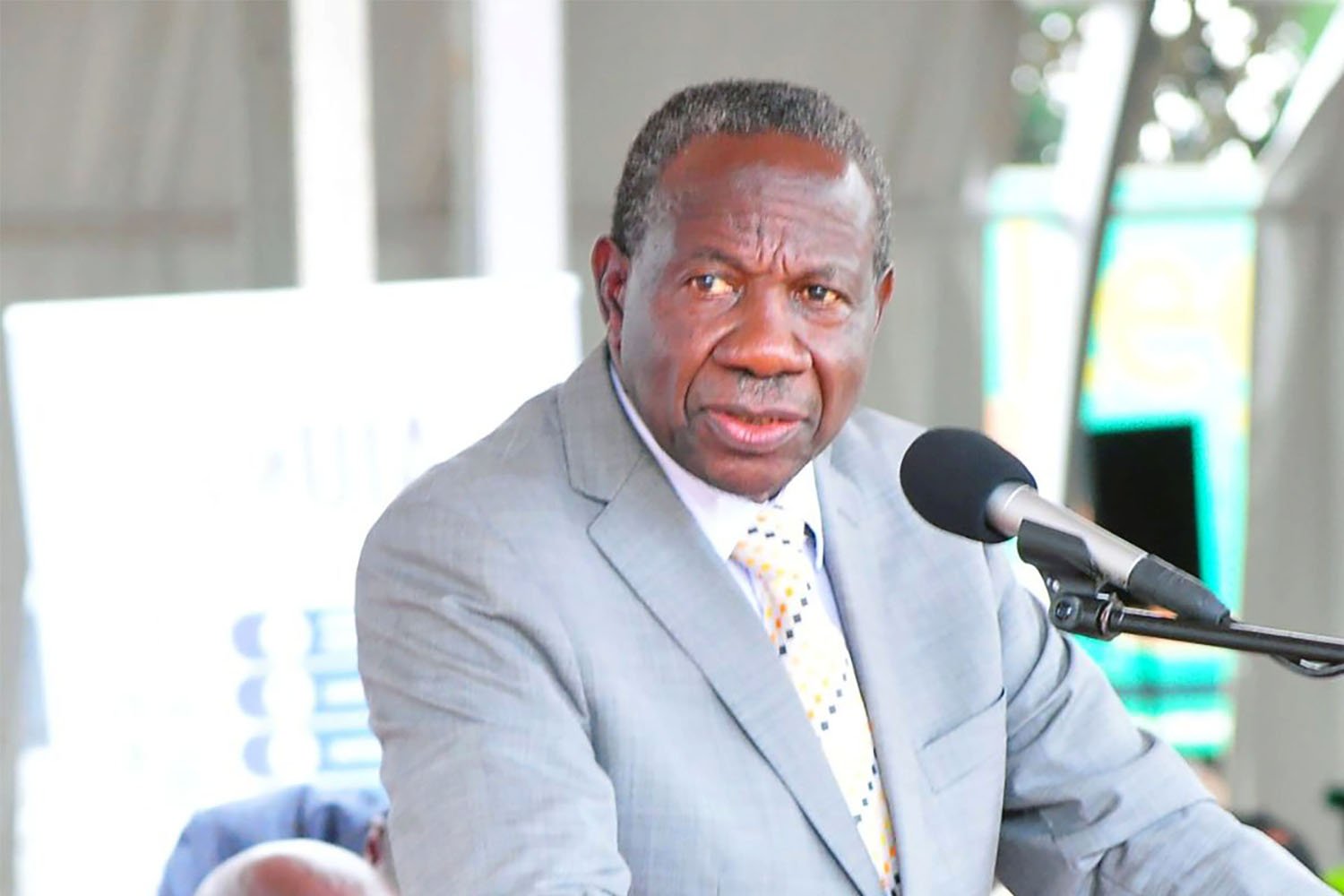
Uganda’s economy is projected to grow by at least 7.0% in the Financial Year 2025/26, with expectations of reaching double-digit growth in the medium term as the country commences commercial oil and gas production, according to the Finance Ministry. The Government is banking on the Ten-fold Growth Strategy, anchored on four priority sectors: agro-industrialization, tourism development, mineral-based industrialization, and science, technology and innovation including ICT and the creative industry, to drive this transformation. Speaking at a press briefing in Kampala yesterday, Matia Kasaija,the Minister of Finance, Planning and Economic Development, said the government is already laying a strong foundation for this shift. “Uganda’s economy remains robust, supported by stable inflation, a stronger shilling, growing economic activity, and increased private sector credit growth. Going forward, our Ten-fold Growth Strategy will propel this economy from the current US Dollar 61 billion to US Dollar 500 billion over the next fifteen years,” he said. Fiscal performance has remained strong, with revenues surpassing targets. In FY2024/25, domestic revenues amounted to UGX32.08 trillion, above the planned target of UGX 31.98 trillion – thus posting a surplus of UGX 96.69 billion. At the start of FY2025/26, revenues and grants collected in July 2025 totalled UGX2.54 trillion, higher than the projected UGX2.46 trillion. The surplus was largely driven by an unplanned receipt of grants worth UGX168.21 billion, signalling improved fiscal space for government programs. Kasaija noted that Uganda’s export profile continues to diversify as the economy reduces its dependence on coffee. By June 2025, coffee’s share in total merchandise exports had fallen from a high of 75.6% in 1995 to about 21%. Gold has now become Uganda’s leading export, contributing almost 40% of total merchandise exports in 2024. Other major exports include cocoa beans (5.8%), base metals and products (2%), and sugar at 1.9%. In the twelve months to June 2025, merchandise exports surged by 64.3% to USD1.15 billion, up from USD702.5 million a year earlier. Imports also rose significantly, growing by 50.7% from USD947.4 million to USD1.43 billion – reflecting increased industrial demand and investment inflows. The services sector has continued to post impressive growth, with tourism inflows growing to USD1.52 billion in the 12 months March 2025, compared to USD1.36 billion in the previous period. This growth has been supported by sustained peace, investments in tourism infrastructure, and improved competitiveness of Uganda’s tourism industry, particularly through Uganda Airlines’ expanding international routes. Investment flows also point to a strengthening economy. Foreign Direct Investment rose to USD3.3 billion in 2024, up from about USD3 billion in 2023, largely driven by oil and gas sector developments and broader economic competitiveness. Remittances remained a reliable source of foreign exchange, totalling USD1.4 billion in 2024. The Ugandan shilling has also maintained remarkable stability, appreciating by 0.5% , with the International Monetary Fund’s International Financial Statistics Division ranking the Uganda Shilling the most stable currency in Africa, further strengthening investor confidence. Private sector credit has expanded by 7.5%, reflecting renewed business optimism and growth in economic activity. “We have laid a clear foundation. With oil and gas production starting soon, coupled with our Ten-fold Growth Strategy, Uganda is firmly on course to becoming a US Dollar 500 billion economy by 2040,” Kasaija said.
Economy on track for 7% growth – Matia Kasaija
The Edge Brief
Business stories from Uganda and the region, delivered to your inbox. Free, with one-click unsubscribe.