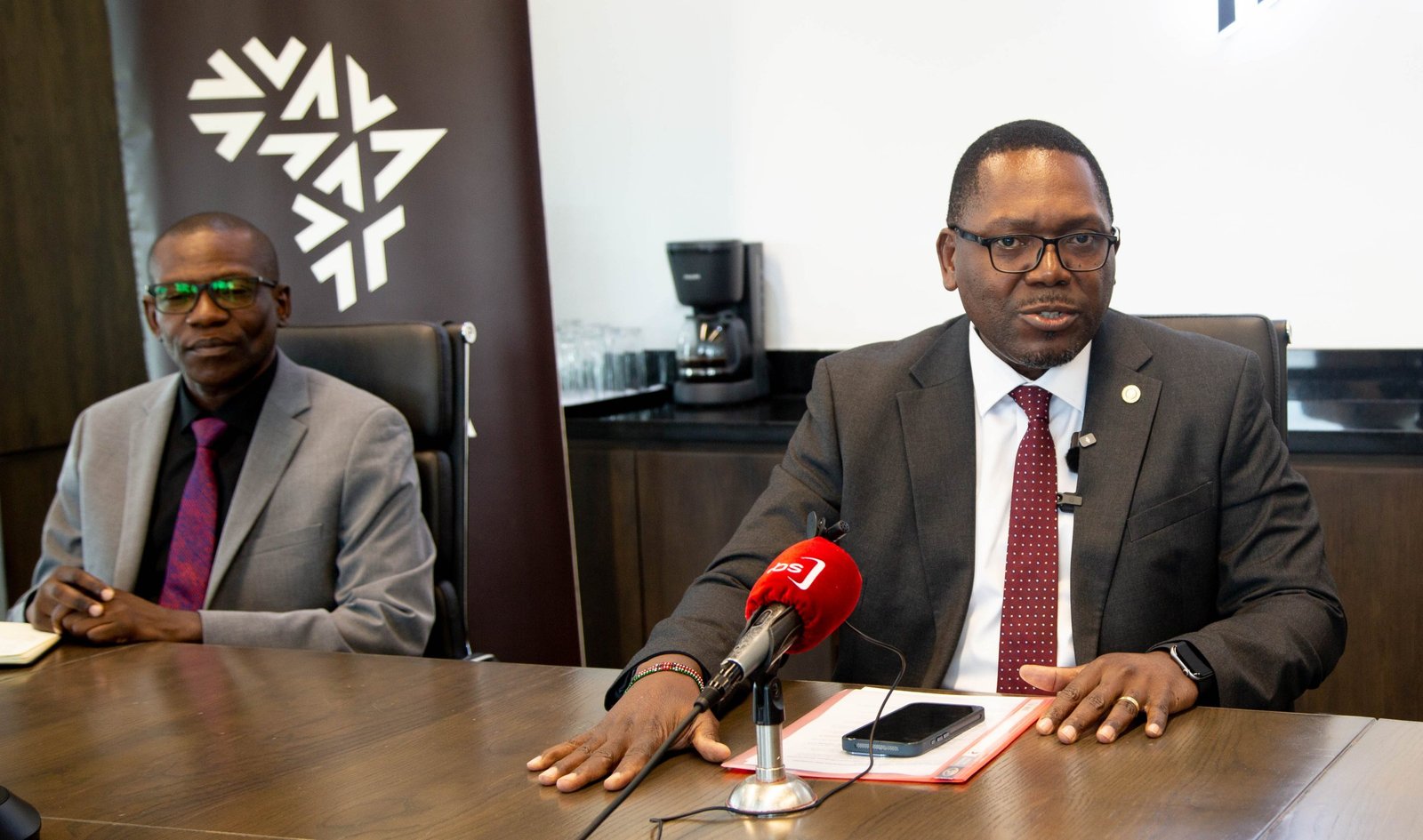
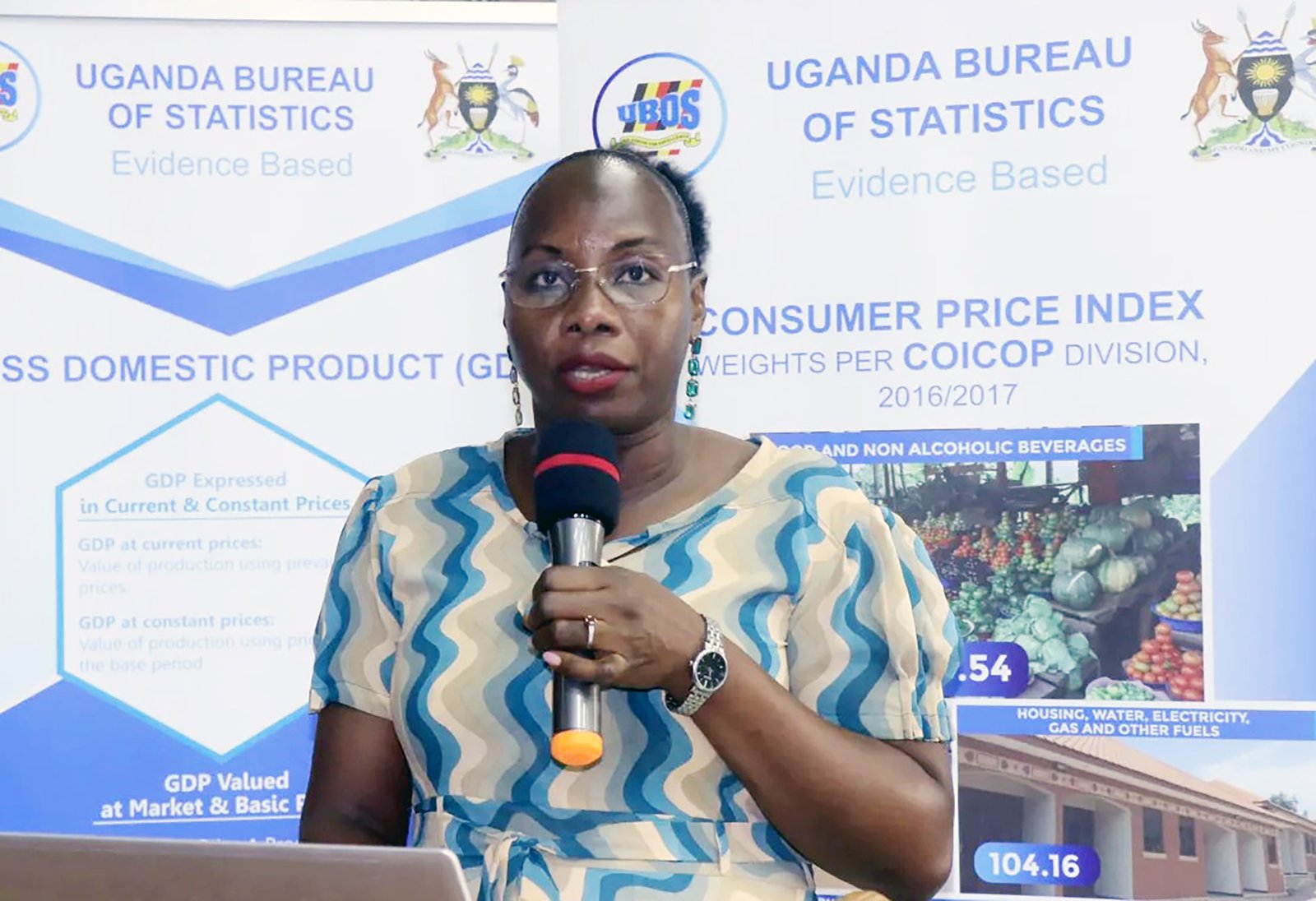
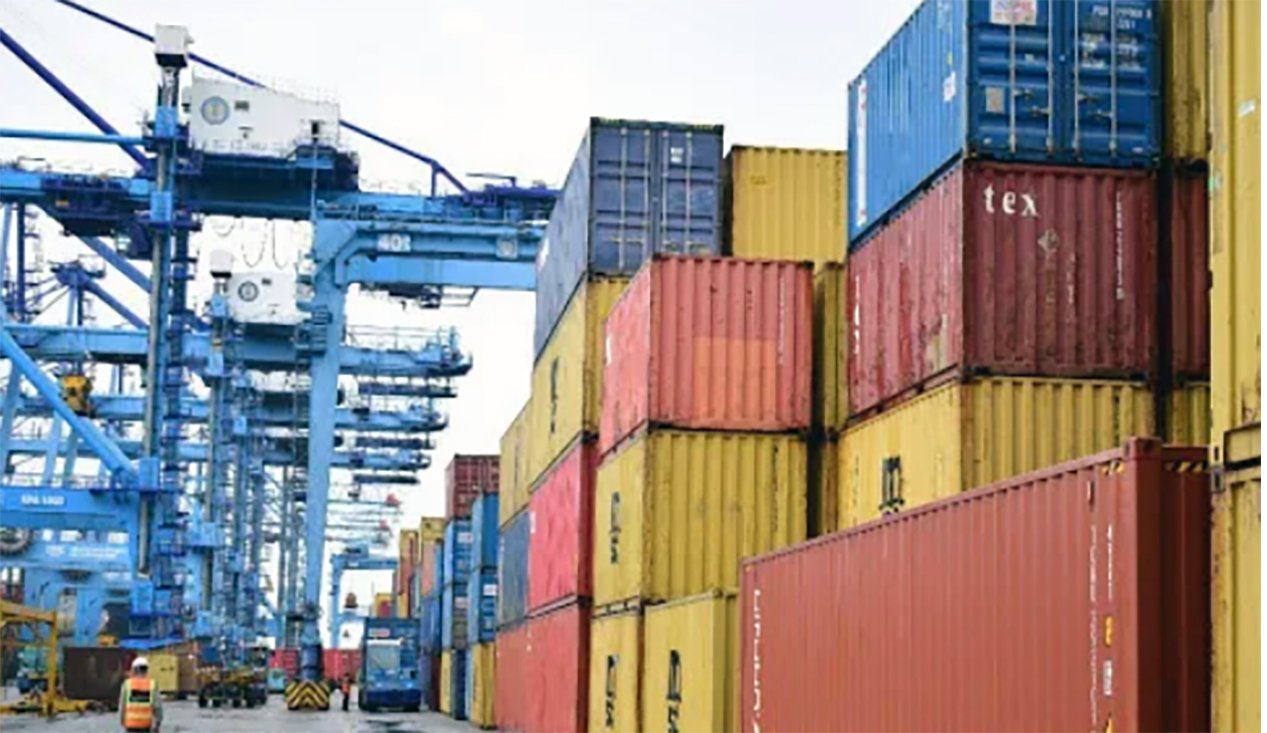
A surge in export earnings and foreign direct investment has propelled Uganda’s economy to new heights, with nominal GDP reaching UGX226.34 trillion ($61.3 billion) in the financial year 2024/25. The growth, up from UGX 203.71 trillion (USD 53.9 billion) in the previous year, reflects a resilient and expanding economy, the global trade disruptions and geopolitical tensions notwithstanding. During the release of Quarter One expenditure for FY 2025/26, the Permanent Secretary and Secretary to the Treasury (PSST), Ramathan Ggoobi, attributed the strong performance to growing investor confidence, improved household spending, and increased government investment. “The economy is continuing to exhibit resilience and sustained growth in spite of the global uncertainties like trade wars and international conflicts. Growth averaged 6.9% in the first three quarters of the just concluded financial year,” Ggoobi said. He noted that GDP growth was supported by fixed capital formation, government expenditure particularly under the Parish Development Model and a steady recovery in household consumption. Real GDP is projected to grow by 7% in FY 2025/26, with expectations of reaching double-digit growth in the medium term. Improving business conditions also supported the recovery. The Purchasing Managers’ Index stood at 55.6 in the fourth quarter of FY 2024/25, while the Composite Index of Economic Activity hit 178.58. The Business Tendency Index, a gauge of private sector confidence, was recorded at 59.17 in June 2025. Annual headline inflation remained stable at 3.9% in June, slightly up from 3.8% in May but within the Central bank’s annual target of 5%. Meanwhile, the Uganda Shilling appreciated by 1.3% against the US Dollar in June, driven by improved export performance, offshore investments, and higher remittances. The Ministry of Finance insists that the local currency is among the best-performing African currencies. Exports were a major growth driver. Uganda earned USD 2.6 billion in the third quarter of FY 2024/25, up from USD 1.9 billion in the same period the previous year a 39.1% increase. The export boost was fuelled by rising volumes and international prices of coffee, cocoa, and other key commodities. Over a 12-month period ending March 2025, Uganda’s exports reached USD 11.8 billion, up from USD 9.56 billion. While imports also rose by 16.5% to USD 3.05 billion, the faster pace of export growth helped narrow Uganda’s trade deficit. The gap dropped from USD 757.48 million in Q3 of FY 2023/24 to USD 461.15 million in the same quarter of FY 2024/25. Remittances rose to USD 304.48 million in the third quarter, compared to USD 231.68 million the previous year an increase of 31.4%. Total remittances for the 12 months to March 2025 amounted to USD 1.4 billion. Uganda also recorded strong inflows of foreign direct investment. FDI in Q3 stood at USD 785.79 million, up from USD 622.06 million in the same quarter of the previous year. The total for the 12-month period rose to USD 3.48 billion from USD 2.99 billion. These foreign inflows contributed to an improved balance of payments. International reserves increased to USD 4.3 billion by June 2025, equivalent to 3.8 months of import cover, up from USD 3.2 billion the previous year. The current account deficit also narrowed, showing greater external stability. This year’s national budget for FY 2025/26 is UGX 72.376 trillion, with resources directed toward infrastructure, service delivery, industrialisation, and economic transformation.
Exports boom drives economy to UGX226 Trillion
The Edge Brief
Business stories from Uganda and the region, delivered to your inbox. Free, with one-click unsubscribe.