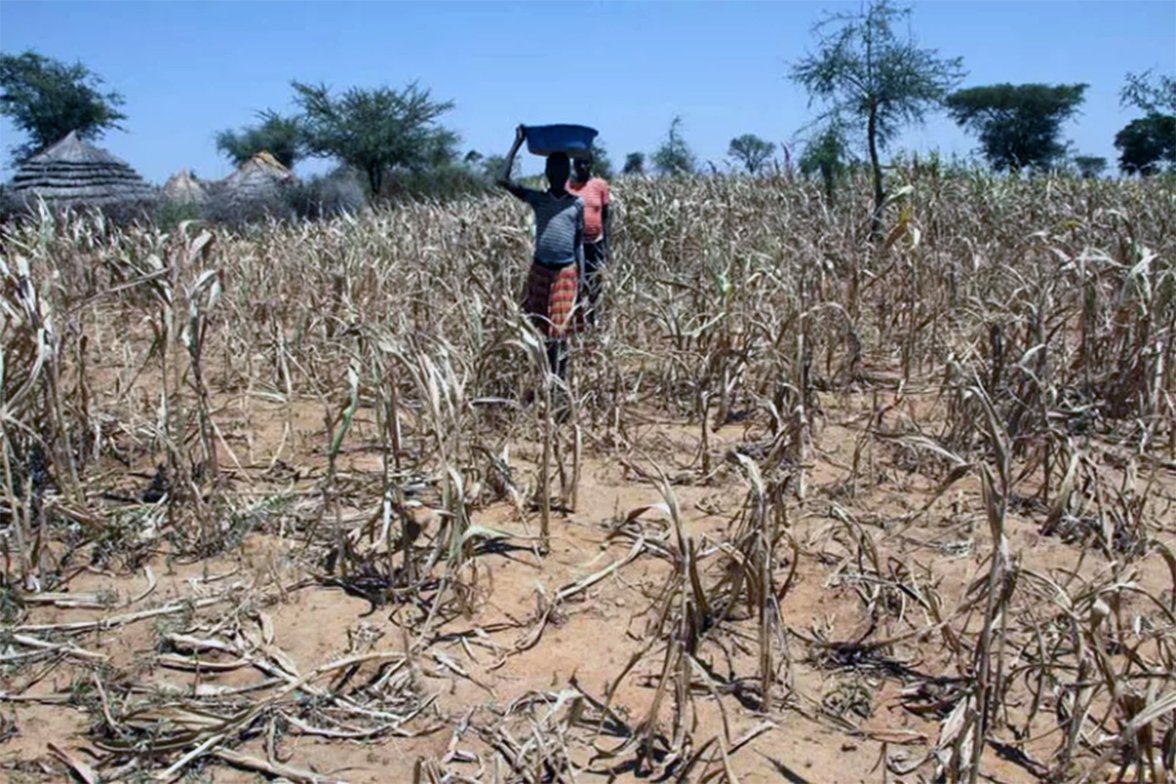
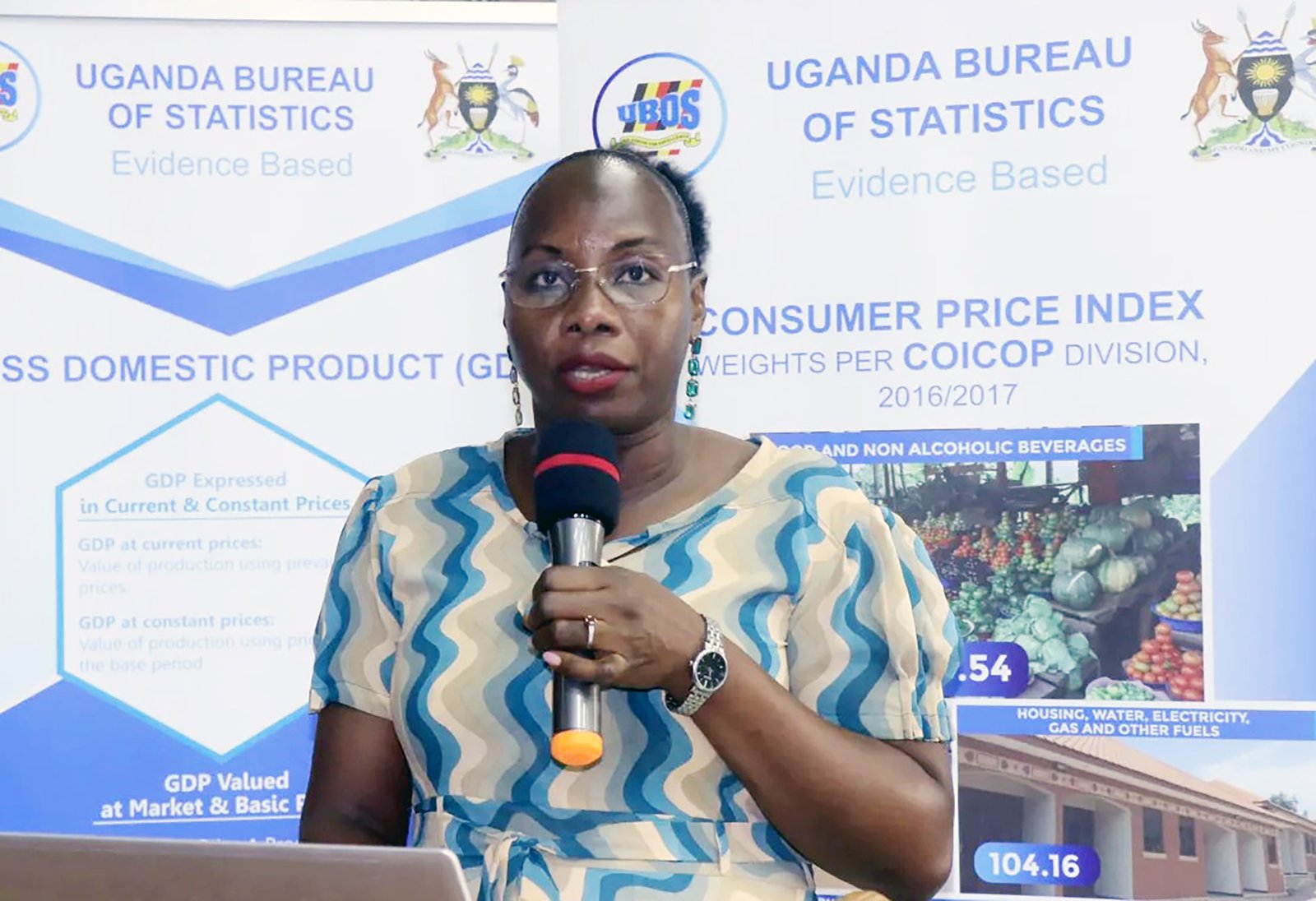
Uganda’s annual headline inflation for the year ending September 2025 rose to 4.0%, up from 3.8% in August, which reflects ongoing volatility in the market, largely driven by sharp rises in food prices, and underscores the need for targeted measures to stabilize the agricultural supply chain. While releasing the latest Consumer Price Index (CPI) report, Aliziki Khauda Lubega, the director of macroeconomics at the Uganda Bureau of Statistics (UBOS), noted that the agricultural sector remains the primary driver of inflation. The report shows that annual inflation for food crops and related items more than doubled, climbing to 7.4% in September from 3.0% in August. Price swings were particularly pronounced for key staples. Tomatoes surged by 30.4%, reversing a 6.4% decline the previous month. Pineapples jumped 44.6%, up from 9.4% in August, while matooke prices rose 14.8%. Fresh leafy vegetables, which had been declining, posted a 2.7% increase, and onions rebounded 1.8% after a sharp 31.3% drop in August. These fluctuations are straining household budgets, particularly for low-income families who spend up to 50% of their income on food, while also squeezing margins for restaurants, caterers, and food processors reliant on fresh produce. Analysts estimate that the average household now spends an additional UGX 45,000–50,000 per month on basic food items compared to six months ago. Core inflation, which excludes volatile items like food and energy, offered some respite, easing slightly to 4.0% from 4.1%. Core goods inflation fell to 3.0% from 3.2%, reflecting stabilizing prices for manufactured goods, household items, and imports. Energy, fuel, and utilities (EFU) costs even eased into mild deflation at minus 0.1%, largely due to lower prices for charcoal and firewood. Nevertheless, services inflation continues to rise, with Kampala’s high-income segment recording overall inflation of 5.7%, largely driven by a 9.1% increase in food and non-alcoholic beverage prices. Regional disparities highlight local pressures. Masaka recorded the highest annual inflation at 4.7%, up from 4.6%, with food and restaurant costs surging by 6.9% and accommodation services rising 6.7%. In contrast, Mbale reported the lowest annual inflation at 0.4%, aided by falling housing and utility costs. Housing, water, electricity, gas, and other fuels inflation dropped to 2.0% from 4.6%, keeping overall inflation subdued in the region. Analysts warn that the volatile food supply, transport costs, and service sector pressures pose challenges to both households and businesses. While utilities and fuel costs have eased, rising food prices and localized service inflation are straining disposable incomes and increasing operational costs for small and medium enterprises (SMEs). Businesses in border towns and agricultural hubs like Masaka are reportedly paying UGX 15,000–20,000 more per ton of fresh produce due to transport delays and supply inconsistencies. The CPI report signals a dual challenge for policymakers: managing structural volatility in the food supply while maintaining macroeconomic stability. The Bank of Uganda and Ministry of Finance are expected to prioritize agricultural productivity, storage infrastructure, and market stabilization mechanisms, including support for warehousing, cold chains, and price monitoring. For households, the immediate impact is rising costs of living, while for businesses, the challenge lies in balancing raw material costs, wage pressures, and utility expenses.
While the inflation level of 4% is still below BoU’s 5% annual target, maintaining moderate core inflation remains critical to ensuring economic resilience and protecting both consumers and enterprises across the country.
High food prices push annual inflation to 4.0%
The Edge Brief
Business stories from Uganda and the region, delivered to your inbox. Free, with one-click unsubscribe.