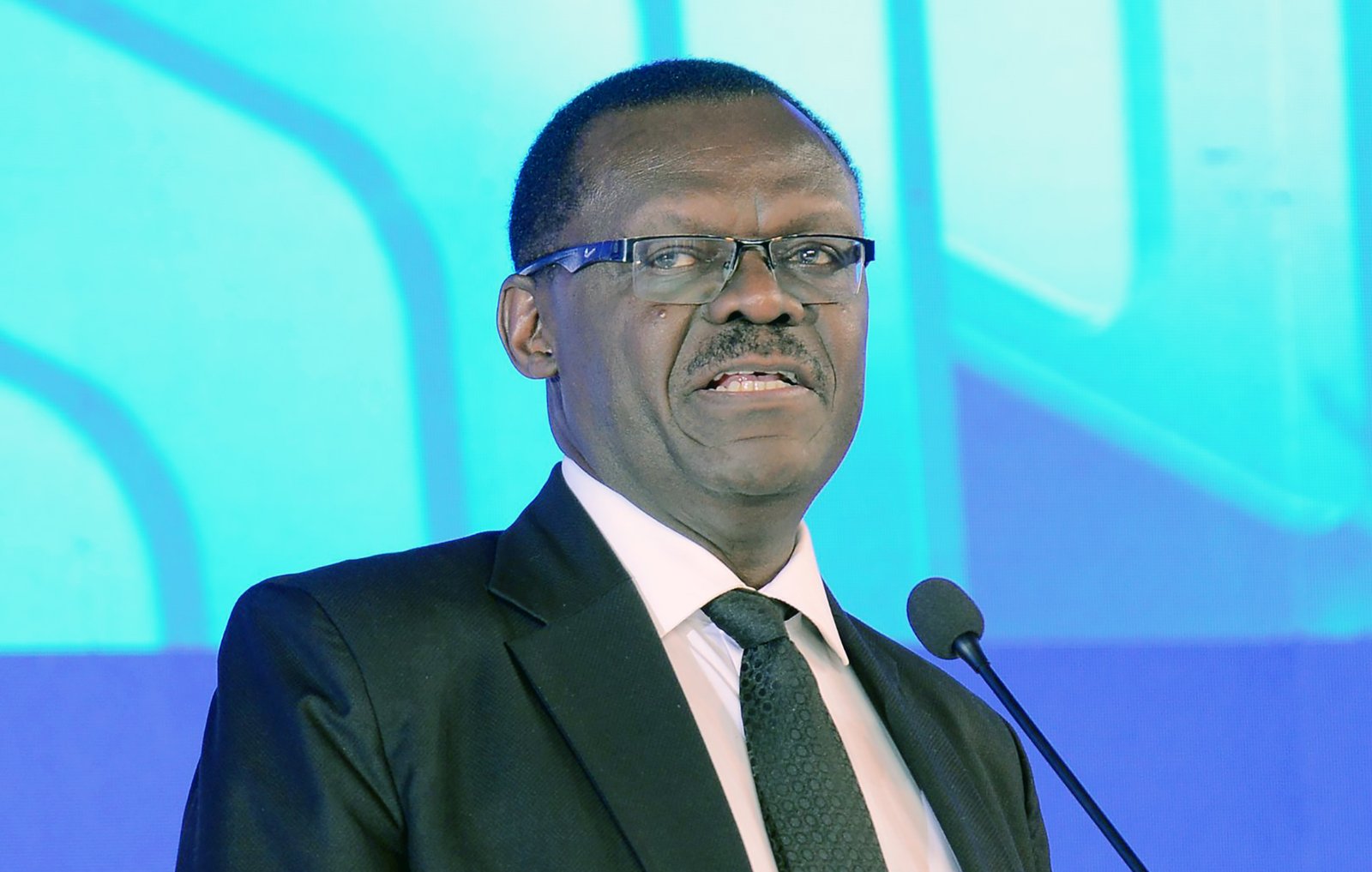
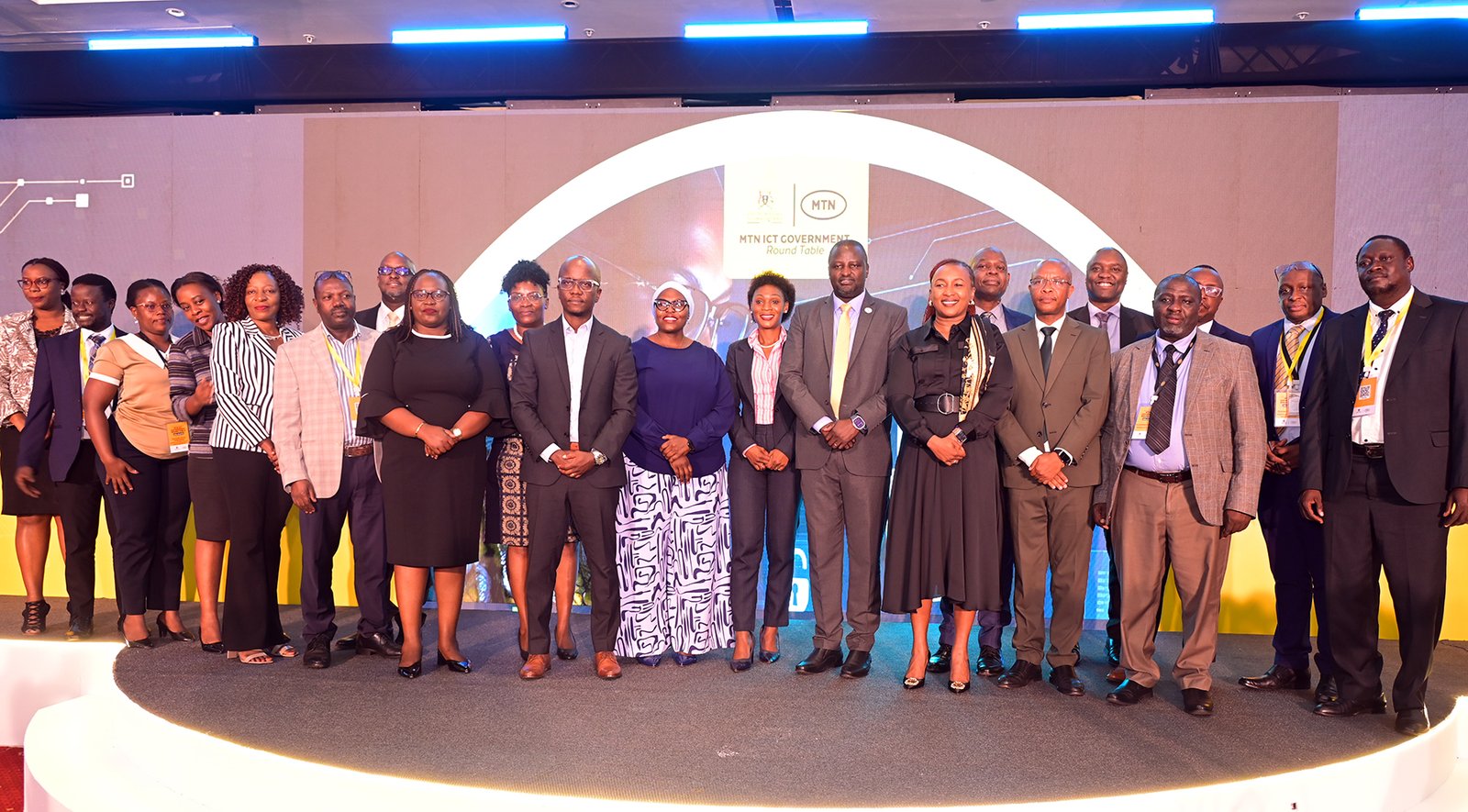
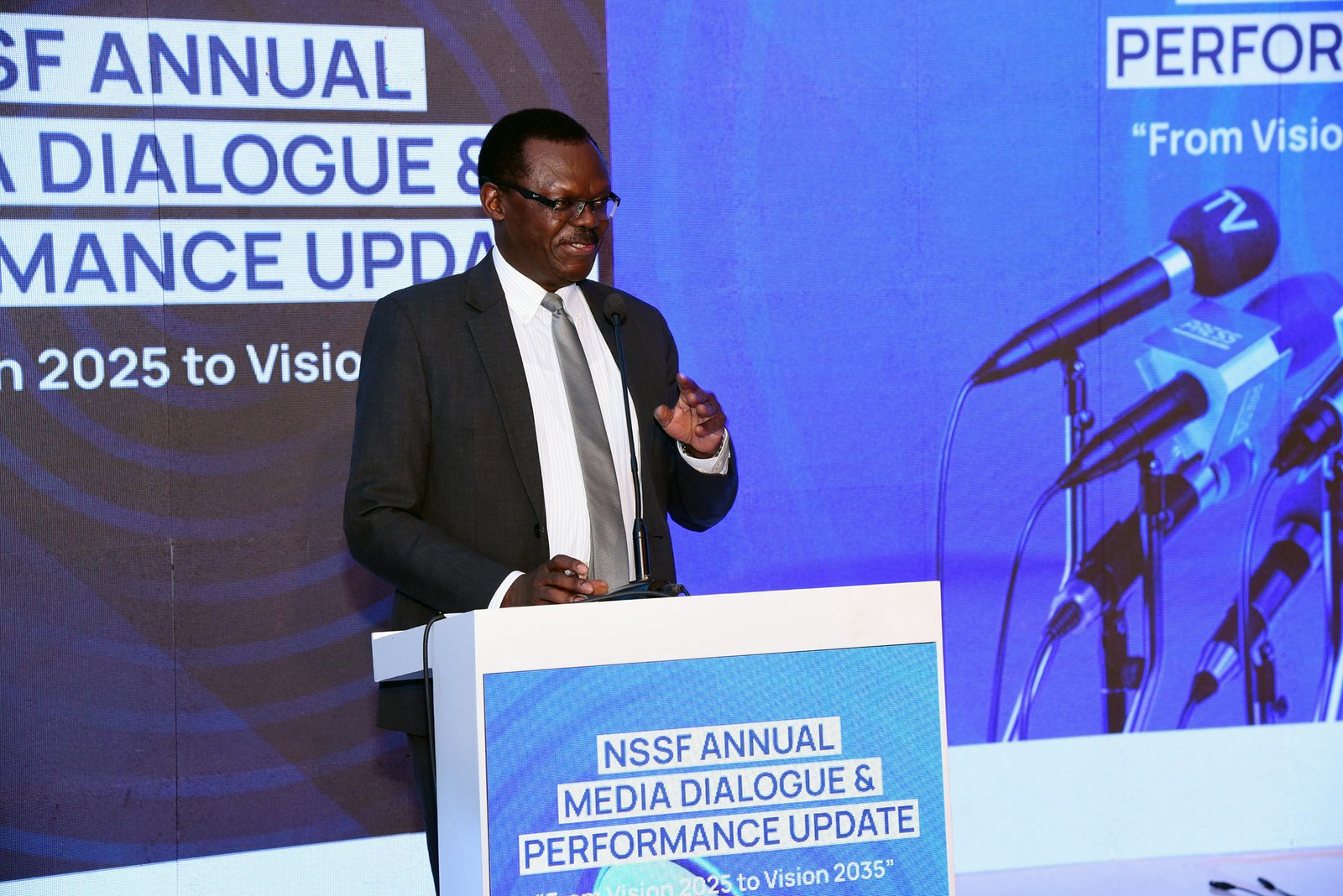
The National Social Security Fund (NSSF) has posted earnings worth UGX3.52 trillion for the Financial Year ending June 30, 2025, raising hopes that the interest rate paid to members will see an increase from last year’s 11.5%. Speaking at the Fund’s Annual Media Roundtable on Wednesday, Managing Director Patrick Michael Ayota, said this represents an 11% increase from the UGX3.2 trillion registered in the previous year, driven by stronger investment performance and a steady rise in member contributions. The Fund also reported a sharp jump in contributions from its members, which grew from UGX 1.93 trillion in the 2023/24 financial year to UGX 2.13 trillion in 2024/25. This growth is significant for the Fund’s more than 2.5 million savers, as it reflects both improved compliance from employers and the confidence that Ugandans continue to place in the scheme. Ayota attributed the impressive results to improved performance across several asset classes. Interest income, which remains the Fund’s largest revenue driver, rose from UGX2.34 trillion to UGX 2.88 trillion. Dividend income also jumped from UGX 175 billion to UGX 238.14 billion, while real estate income grew from UGX13.24 billion to UGX 16.64 billion. Other income nearly doubled, rising from UGX 382 billion to UGX 651 billion. Among its dividend earners, MTN Uganda was the single largest contributor, returning UGX 61.8 billion to the Fund. Airtel followed with UGX36 billion, while Equity Bank contributed UGX21.5 billion and CRDB Tanzania UGX 18.6 billion. Other investments that boosted the portfolio included KCB (UGX16 billion), Safaricom (UGX 15 billion), Tanzania Breweries (UGX 15 billion), NMB Bank (UGX 13.7 billion), and Stanbic Bank (UGX13 billion). These investments continue to show how the Fund is diversifying its portfolio to give members sustainable returns. As a result of these inflows, the Fund’s Assets Under Management (AUM) surged by 17.5%, from UGX22.13 trillion in the previous year to UGX26 trillion. For members, this growth is not just a number on paper; it is the backbone of the Fund’s ability to declare competitive interest rates on their savings. With stronger earnings and a larger asset base, members are more assured of real value preservation of their contributions and better returns when they finally claim their benefits. Ayota explained that despite volatility in East African stock markets, slight currency fluctuations, and a mixed investment environment, the Fund had positioned itself for long-term growth. He noted that the new 10-year strategy, known as Vision 2035, will aim to grow NSSF to UGX 50 trillion in assets, expand coverage to 50% of Uganda’s working population, and raise customer satisfaction levels to 95%. For savers, this strategy means greater security, wider coverage, and improved customer experience in accessing their benefits. The Fund also reported that member benefits paid out rose from UGX 1.12 trillion in the 2023/24 financial year to UGX 1.32 trillion in 2024/25, even though the number of claimants fell slightly from 44,250 to 43,501.
This increase in pay-outs is a strong indicator of the Fund’s liquidity and ability to serve its core purpose providing income security for workers at retirement, or during times of need such as disability or employment termination.
In addition to the mandatory contributions, voluntary savings schemes are beginning to play a bigger role in giving Ugandans more flexible savings options. The Smartlife Flexi voluntary product has so far attracted UGX27 billion – showing that more people are seeking ways to grow their retirement savings beyond statutory requirements. However, challenges remain, particularly with compliance. The Fund’s compliance rate dropped from 57% in 2023/24 to 52% in 2024/25. This followed a legal reform in 2022 that required all employers, regardless of size, to remit contributions on behalf of their workers. While this reform is expected to widen coverage, some smaller employers with cash flow challenges are struggling to keep up. Ayota said the Fund is now focusing on employer engagement and sensitization to improve compliance.
NSSF bullish as earnings hit UGX3.52 trillion
The Edge Brief
Business stories from Uganda and the region, delivered to your inbox. Free, with one-click unsubscribe.