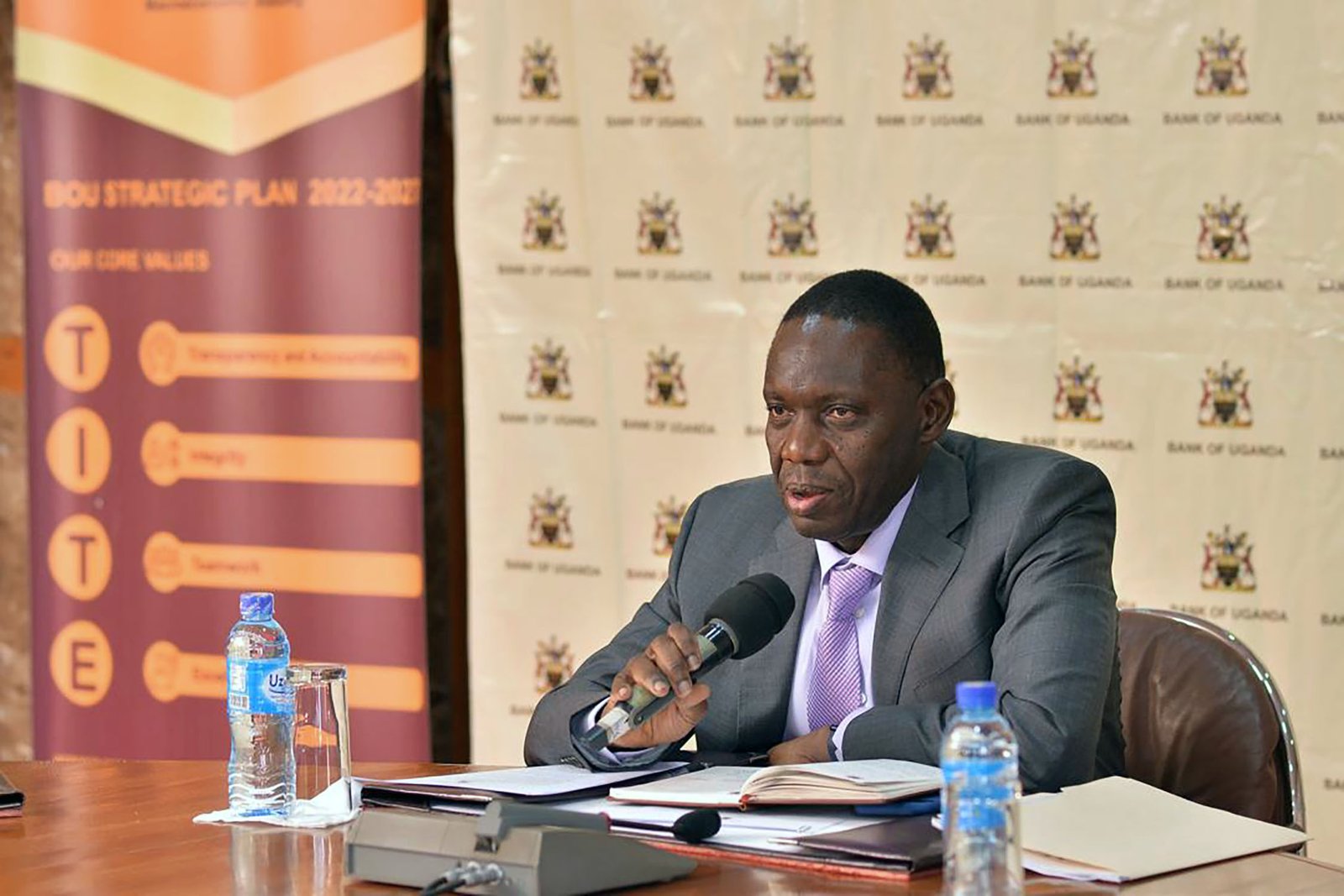
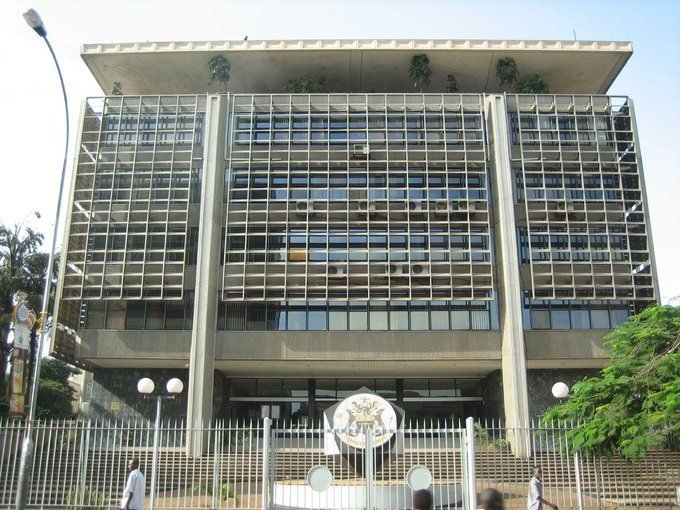
The Bank of Uganda (BoU) has confirmed that the Ugandan Shilling has been on a consistent path of appreciation for the last 14 months, a development attributed to strong economic fundamentals rather than direct intervention by the Central bank. Speaking in a televised address, BoU Governor Michael Atingi-Ego clarified that the Central bank has not intervened in the foreign exchange market since June 2022, when it last made a sale-side operation. “The local currency has indeed appreciated for about 14 months. But let me clarify—the Bank of Uganda did not intervene during that period. Our last sale-side intervention was in June 2022,” Atingi-Ego said. According to BoU data, the Shilling has gained more than 7% against the US Dollar in the past year, appreciating from an average of UGX 3,750 to the dollar in July 2023 to around UGX3,480 in August 2025. This appreciation trend has made the Shilling one of the most stable currencies in Africa over the past year. For example, over the past 12 months, the Nigerian Naira has depreciated to 1,535.68 Naira to the US dollar currently, down from 699 Naira exactly a year ago. Atingi-Ego outlined several factors behind the Shilling’s strength. These include strong performance of key exports such as coffee and cocoa, with coffee export earnings rising to UGX 3.8 trillion ($1 billion) in the financial year 2023/24, up from UGX 2.9 trillion ($770 million) the previous year. Higher global coffee prices also contributed, coupled with growing demand in Europe and Asia. Cocoa exports also rose by 22% year-on-year, contributing UGX450 billion ($120 million) in export earnings. In addition, prudent monetary policy, reforms in the foreign exchange market, increased offshore investor participation in government securities, and a weaker US dollar globally have all played a role in supporting the shilling’s appreciation. While a stronger currency has advantages such as lowering the cost of imports and helping to curb inflation, it also comes with challenges. Uganda’s headline inflation dropped to 3.2% in July 2025, down from 9.8% in mid-2022, partly due to cheaper imports of fuel, machinery, and consumer goods. However, exporters are facing pressure as the stronger shilling means that small scale Ugandan exporters would get fewer shillings for their products sold in international markets. Governor Atingi-Ego, however, cautioned against artificially weakening the currency to support exporters, warning that such measures would risk stoking inflation and raising interest rates. “It is important to remember that the exchange rate is market-determined. Supporting exporters artificially would risk inflation and higher interest rates. Our focus is preserving stability without distorting the fundamentals,” he said. Despite the challenges, the Central bank maintains that Uganda’s macroeconomic position remains strong. Foreign exchange reserves stood at $4.3 billion (UGX 16.3 trillion) as of July 2025 – enough to cover more than 4.5 months of imports – while private sector credit growth has rebounded to 12% year-on-year, signalling rising business confidence. The Governor is positive that indeed the appreciation of the shilling reflects confidence in Uganda’s economic outlook and provides a solid foundation for long-term growth.
“The benefits of stability and strong fundamentals outweigh the risks of a weaker currency, laying the groundwork for sustainable economic growth,” he said.
Shilling maintaining 14-month appreciation trend – BoU
The Edge Brief
Business stories from Uganda and the region, delivered to your inbox. Free, with one-click unsubscribe.