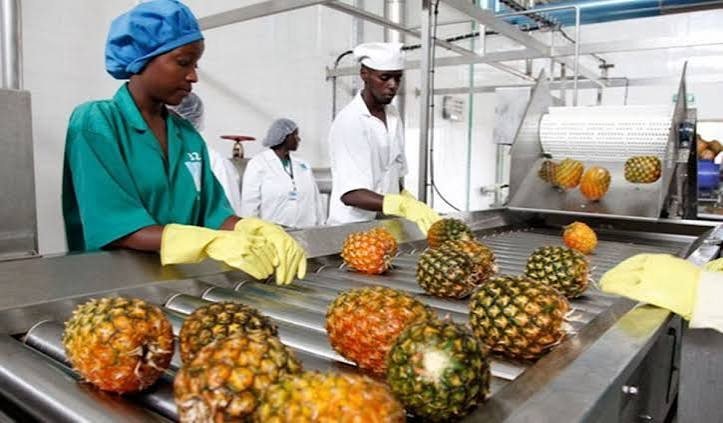
The Uganda Development Bank (UDB) has clinched a USD30 million (UGX 104 billion) financing facility from the Islamic Corporation for the Development of the Private Sector (ICD). The partnership marks the first-ever Islamic Line of Finance not only in Uganda but also in the entire East African region, ushering in a new era of ethical and inclusive financing. The facility, structured under a long-term ‘Commodity Murabaha arrangement,’ is to provide much-needed medium- and long-term financing to Uganda’s Small and Medium Enterprises (SMEs). It specifically targets high-impact sectors such as agribusiness, manufacturing, education, healthcare, and fixed assets like land, buildings, and machinery – areas considered essential to accelerating the country’s industrialization and job creation agenda. Unlike traditional interest-based loans, Murabaha financing is based on Islamic principles of trade and partnership. Under this model, a financial institution purchases an asset and resells it to the client at a pre-agreed profit margin, with repayment spread over time. This Shariah-compliant approach avoids interest charges and promotes transparency, fairness, and shared value. UDB officials described the financing as a “landmark step for Uganda’s private sector,” adding that the partnership would expand Uganda’s access to alternative sources of capital, positioning the bank as a bridge between conventional and Islamic finance systems. According to their projections, UDB says the UGX 104 billion facility will directly benefit over 250 SMEs across the country, providing affordable capital for business expansion and modernization. The bank expects the financing to create more than 5,000 jobs over the next three years through increased productivity in manufacturing, processing, and service delivery. Analysts estimate that the facility could contribute up to 0.3% to Uganda’s annual GDP growth, driven by higher output in value-added sectors. The financing comes at a time when access to affordable credit remains one of the biggest hurdles for Ugandan enterprises. With the average cost of borrowing hovering around 18–20% per annum in commercial banks, many SMEs struggle to obtain long-term financing for business growth. The Islamic facility, therefore, offers a critical alternative—providing patient capital aligned with Uganda’s industrial policy and Vision 2040 objectives. The ICD, a member of the Islamic Development Bank (IsDB) Group, plays a key role in promoting private sector growth in its 57 member countries. Its collaboration with UDBL underscores a shared commitment to strengthening Uganda’s financial ecosystem and advancing sustainable, inclusive economic development. ICD officials noted that Uganda’s stable macroeconomic environment and ongoing reforms to promote local enterprise growth made it a suitable destination for this pioneering facility. By channeling funds through UDBL, ICD aims to catalyse investments in sectors that have the greatest potential to create jobs, generate export earnings, and improve household incomes. The partnership also aligns with Uganda’s aspirations to broaden financial inclusion and attract ethical investors who prioritize both profitability and social impact.
UDB gets UGX104 Billion to power SME growth
The Edge Brief
Business stories from Uganda and the region, delivered to your inbox. Free, with one-click unsubscribe.