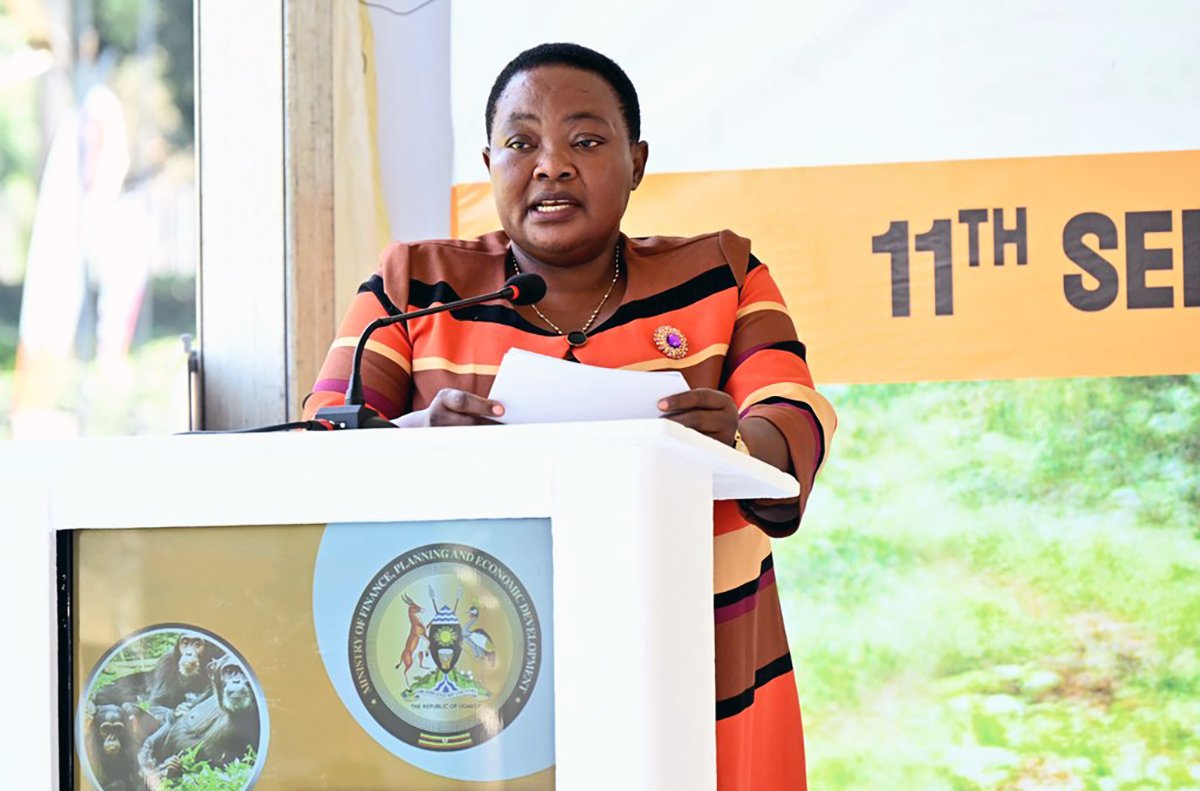
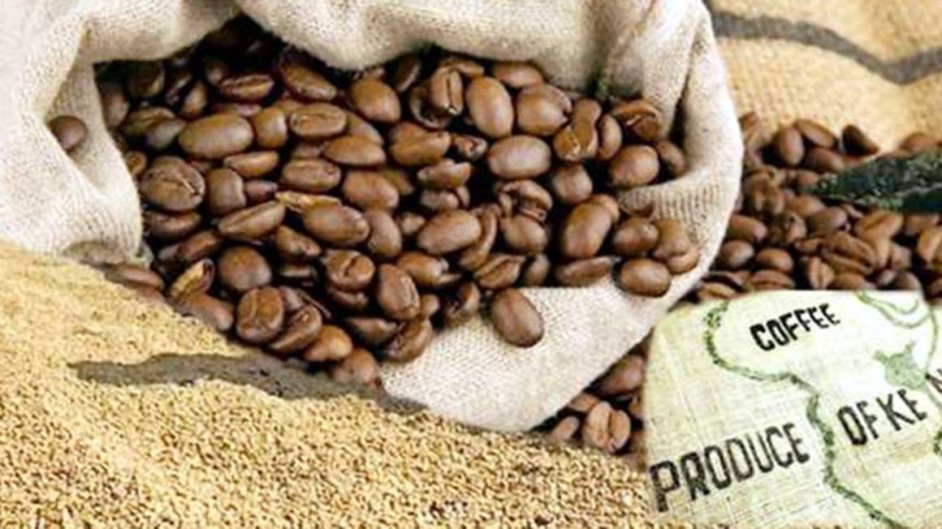
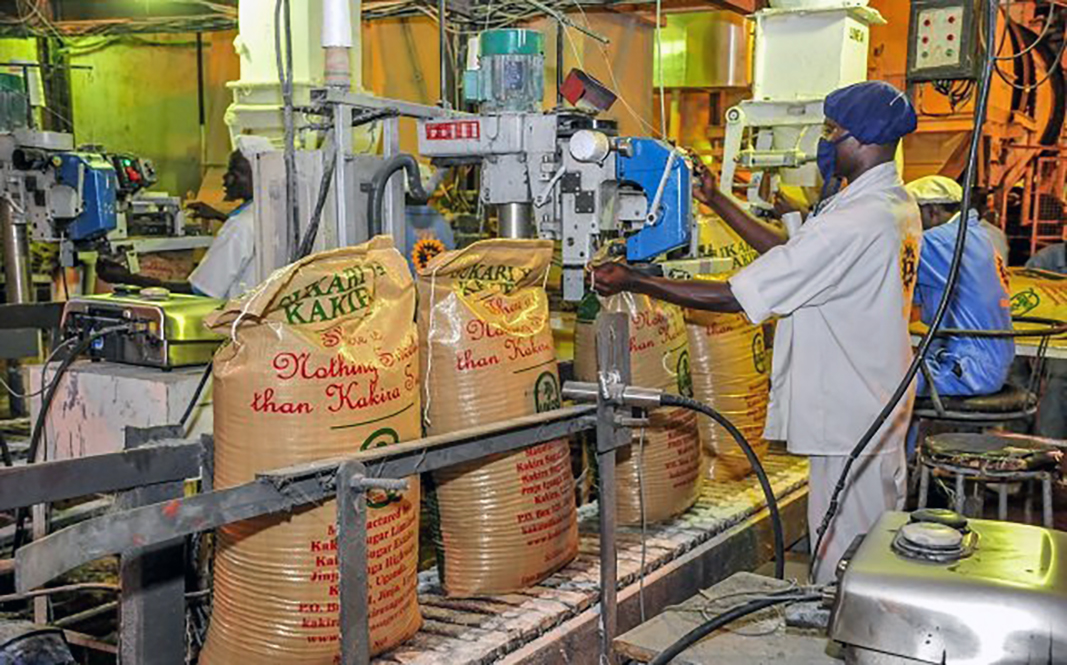
Uganda’s export sector has registered remarkable growth, with total exports of goods and services reaching USD 11.8 billion (UGX 45.4 trillion) in the 12 months to March 2025, up from USD 9.56 billion (UGX 36.7 trillion) during the same period in 2024, Finance Minister Matia Kasaija has said. Presenting the National Budget for the 2025/26 Financial Year at Kololo Independence Grounds on Thursday, June 12, Kasaija said goods exports alone surged by 26%, climbing to USD 9.3 billion (UGX 35.8 trillion) from USD 7.3 billion (UGX 28.1 trillion) a year earlier. This growth reflects Uganda’s rising industrial and agricultural output, as well as its competitiveness in regional and global markets. “Our export performance is a testament to the growing capacity of Uganda’s economy and the resilience of our farmers, manufacturers, and traders,” said Kasaija. “We are seeing the fruits of deliberate investments in infrastructure, trade facilitation, and export-oriented production.” Leading the export list was gold, which brought in $3.8 billion (UGX14.6 trillion), followed by coffee, which earned $1.83 billion (UGX 7 trillion). Kasaija highlighted coffee’s rapid rise, saying: “It took Uganda over 100 years to reach $1 billion in annual coffee export earnings. In just one year, we have nearly doubled that figure. This is the kind of leap we envisioned under the Tenfold Growth Strategy.” Other major exports included industrial products worth $626.5 million (UGX 2.4 trillion), cocoa beans at USD 410.8 million (UGX 1.6 trillion), and milk products at $285 million (UGX 1.1 trillion). Uganda also exported base metals and related products ($230.6 million or UGX 887 billion), sugar ($186.5 million or UGX 718 billion), fish and fish products ($177.7 million or UGX 685 billion), and maize ($86.37 million or UGX 333 billion). A wide range of other agricultural products, including tea, tobacco, cotton, beans, simsim, nuts, vanilla, fruits, vegetables, flowers, and grains, earned a combined $575.9 million (UGX 2.2 trillion). The Middle East was Uganda’s top export destination, followed by the East African Community (EAC), Asia, and the European Union. The country recorded trade surpluses of $186.3 million (UGX 716 billion) with the Middle East and $117.7 million (UGX 452 billion) with the EU, largely from coffee, mineral, and industrial product exports. Kasaija praised the impact of the government’s strategy to expand manufactured exports: “Our efforts to increase the share of manufactured goods in total exports are yielding results. Uganda is now exporting more complex products than expected for our income level.” A recent study by the Harvard Economic Growth Lab confirmed that Uganda has added 31 new products to its export basket over the last 15 years. These include ICT equipment, vaccines, medicines, new pneumatic tires, gas turbines, electronic components, and measurement instruments. The country is also exporting more light-manufactured goods like cement, steel, ceramics, processed foods, dairy products, pharmaceuticals, and textiles. Uganda is now poised to harness the potential of 50 additional complex products referred to as “strategic bets,” which could unlock new markets and increase foreign exchange earnings. “Our job now is to support value addition, innovation, and industrial development so that we continue growing our export base,” Kasaija added. “Exports are not just about trade they are about jobs, incomes, and our future as a middle-income country.”
Uganda’s exports revenues soar to $11.8 billion
The Edge Brief
Business stories from Uganda and the region, delivered to your inbox. Free, with one-click unsubscribe.