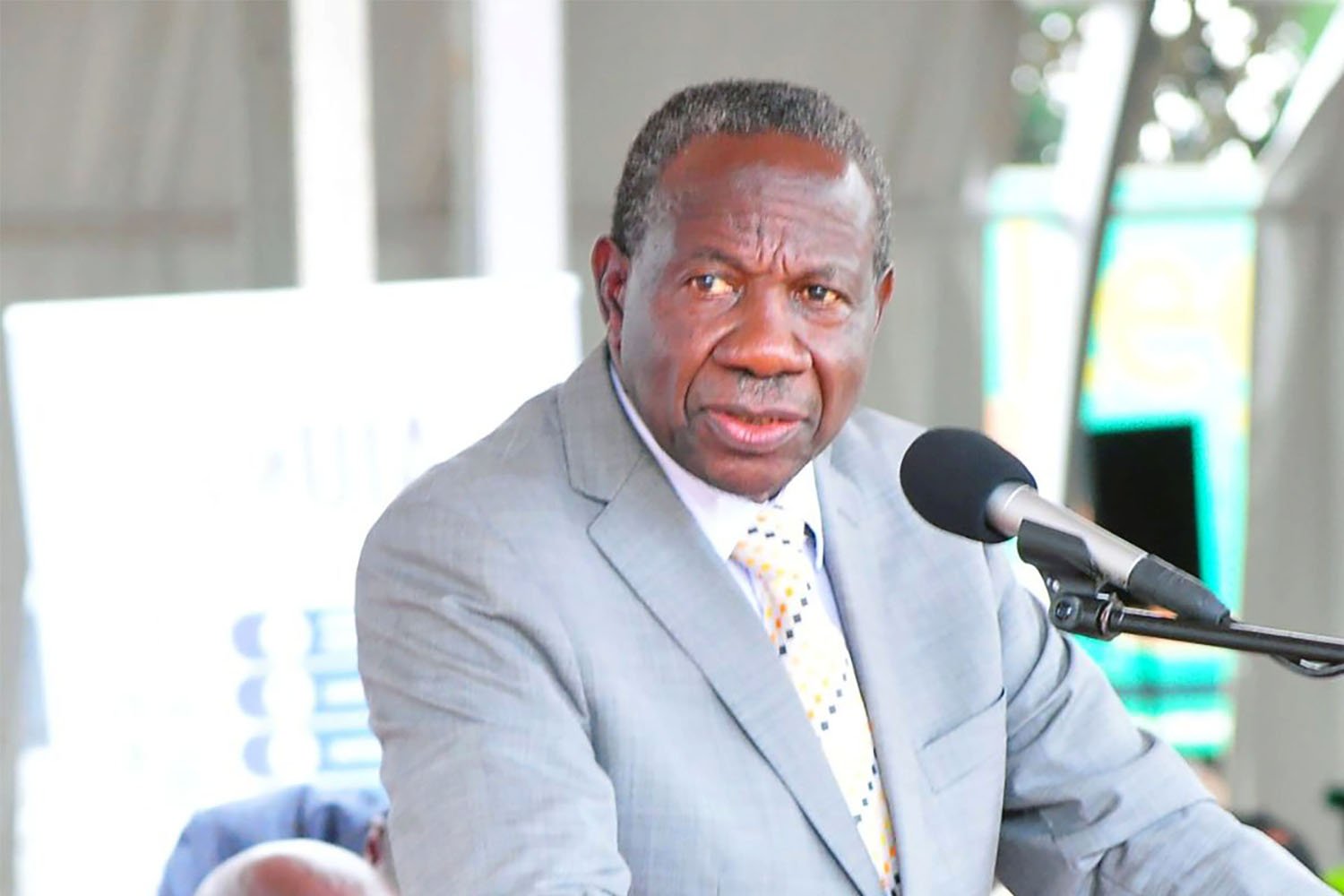
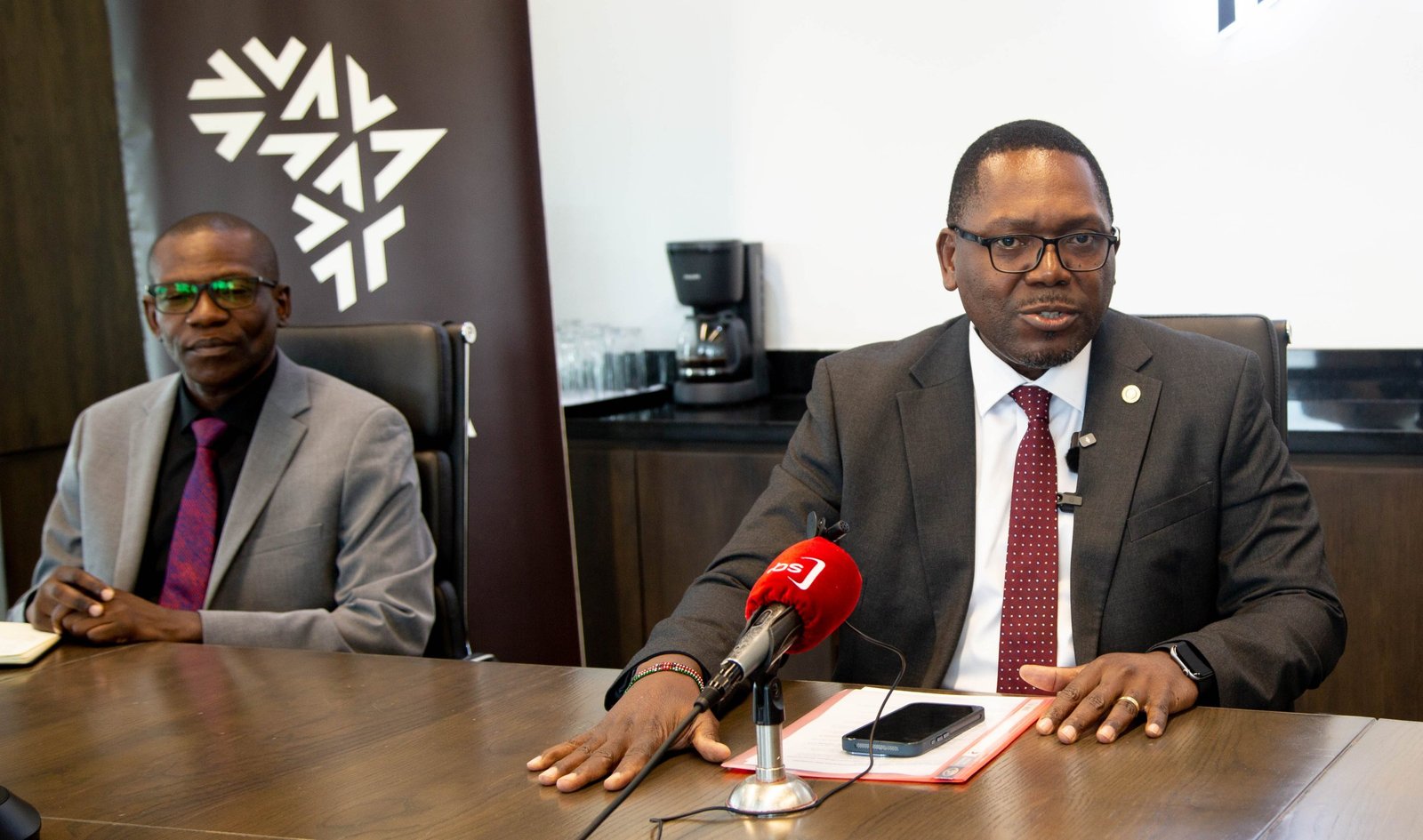
Taxpayers that clear their outstanding principal tax liabilities will be exempted from paying interest and penalties, the Uganda Revenue Authority (URA) has announced. John Rujoki Musinguzi, the URA Commissioner General, said the waiver, which applies to all domestic tax arrears accumulated up to June 30, 2024, is aimed at encouraging voluntary compliance, reducing the financial burden on businesses, and supporting the country’s economic recovery. The program extends the deadline for settlement of principal taxes to June 30, 2026, giving taxpayers nearly two years to take advantage of the opportunity, according to Musinguzi. The initiative comes at a critical time when many businesses are still struggling with liquidity constraints in the aftermath of the COVID-19 pandemic, amid rising inflation and global economic shocks. “This is the final tax amnesty that URA will grant,” Musinguzi stated. “We are giving taxpayers a chance to clear their principal tax without the additional burden of interest and penalties. Once the principal is fully paid, the waiver will be applied automatically.” According to URA figures, Uganda’s total domestic tax arrears stood at UGX 5.2 trillion as of June 2024, of which UGX 2.1 trillion was interest and penalties. This means nearly 40% of outstanding obligations were non-principal charges, underscoring the weight of penalties on businesses. The new amnesty would therefore potentially write off more than UGX 2 trillion in penalties and interest, provided taxpayers pay off the principal by the set deadline. Taxpayers that pay 100% of their principal would receive a full waiver on interest and penalties, while those who pay part of the principal would receive a proportional waiver on the interest and penalties attached to that portion. The program covers all domestic taxes, including Pay As You Earn (PAYE), Value Added Tax (VAT), Withholding Tax, Corporation Tax, and Local Excise Duty. URA believes the move would unlock capital for struggling businesses and individuals, allowing them to reinvest and expand operations instead of being burdened by arrears. The measure also aims to clean up the tax register by encouraging taxpayers to settle old liabilities and re-engage with the system. “This amnesty is about giving businesses breathing space to recover while still honoring their obligations to the state,” Musinguzi said. “Our focus is to grow compliance and broaden the tax base rather than pursue punitive measures that may cripple enterprises.” Uganda’s tax-to-GDP ratio currently stands at 13.2%, significantly below the Sub-Saharan African average of 18%. The tax body has also announced plans to strengthen enforcement after the amnesty period. These include expanded use of the Electronic Fiscal Receipting and Invoicing System (EFRIS), intensified audits, and data-matching to detect under-declaration of income. The Uganda Manufacturers Association (UMA) has welcomed the initiative saying it is a “positive step” that would relieve companies struggling with cash flow challenges, especially small and medium-sized enterprises (SMEs), which account for over 80% of private sector employment. “This waiver is a positive step. Many SMEs have been suffocated by penalties that sometimes exceed their actual tax liabilities. Giving them room to clear their dues without the extra burden will encourage compliance and improve relations with URA,” said a statement from UMA. With the clock ticking toward the June 2026 deadline, URA has launched a nationwide sensitization campaign to ensure taxpayers understand how to benefit from the program. As URA seeks to mobilize more domestic revenue to reduce the country’s reliance on borrowing and donor aid, this amnesty could mark a turning point in bridging the gap between taxpayers and the taxman.
URA offers 100% tax amnesty on interest, penalties

The Edge Brief
Business stories from Uganda and the region, delivered to your inbox. Free, with one-click unsubscribe.