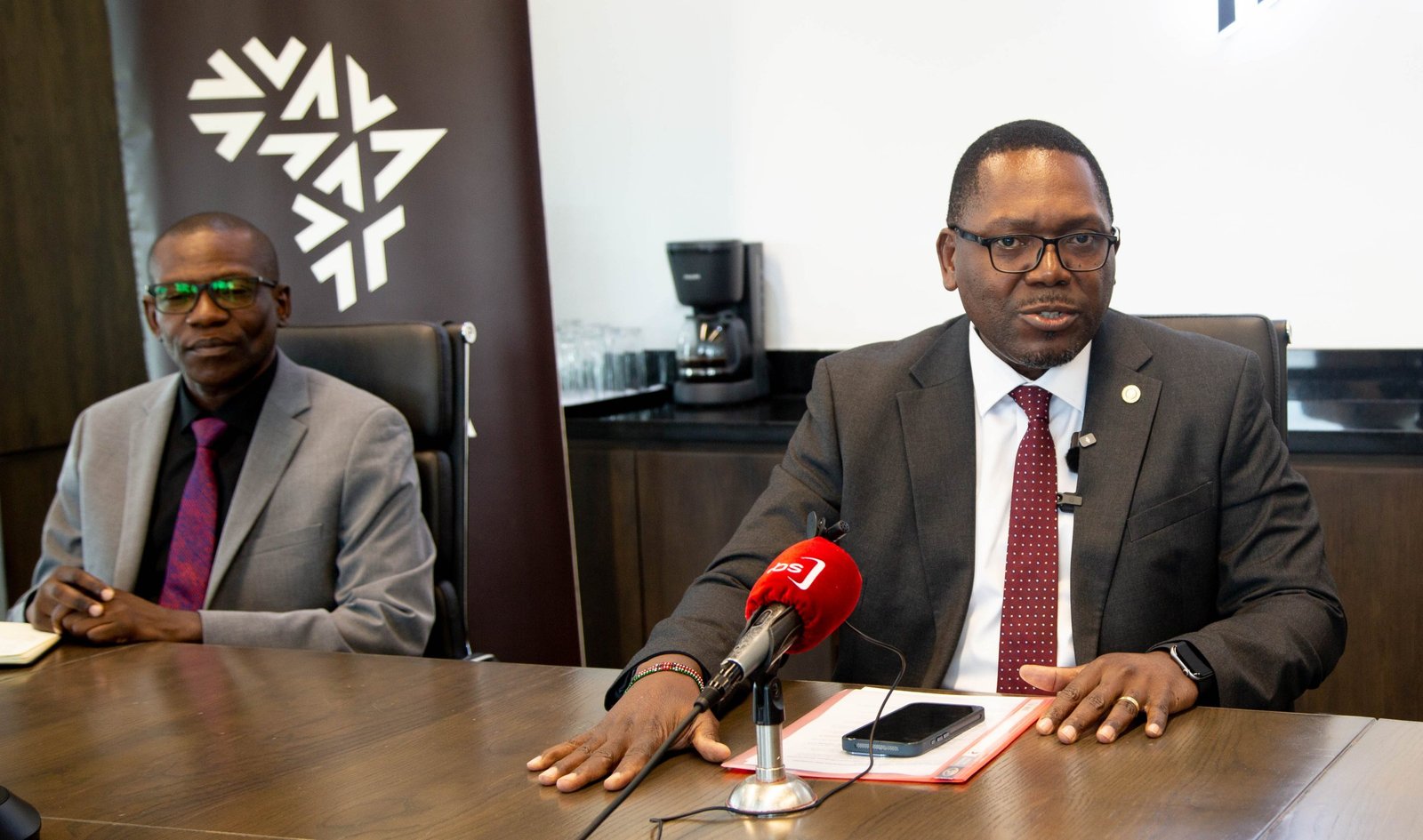
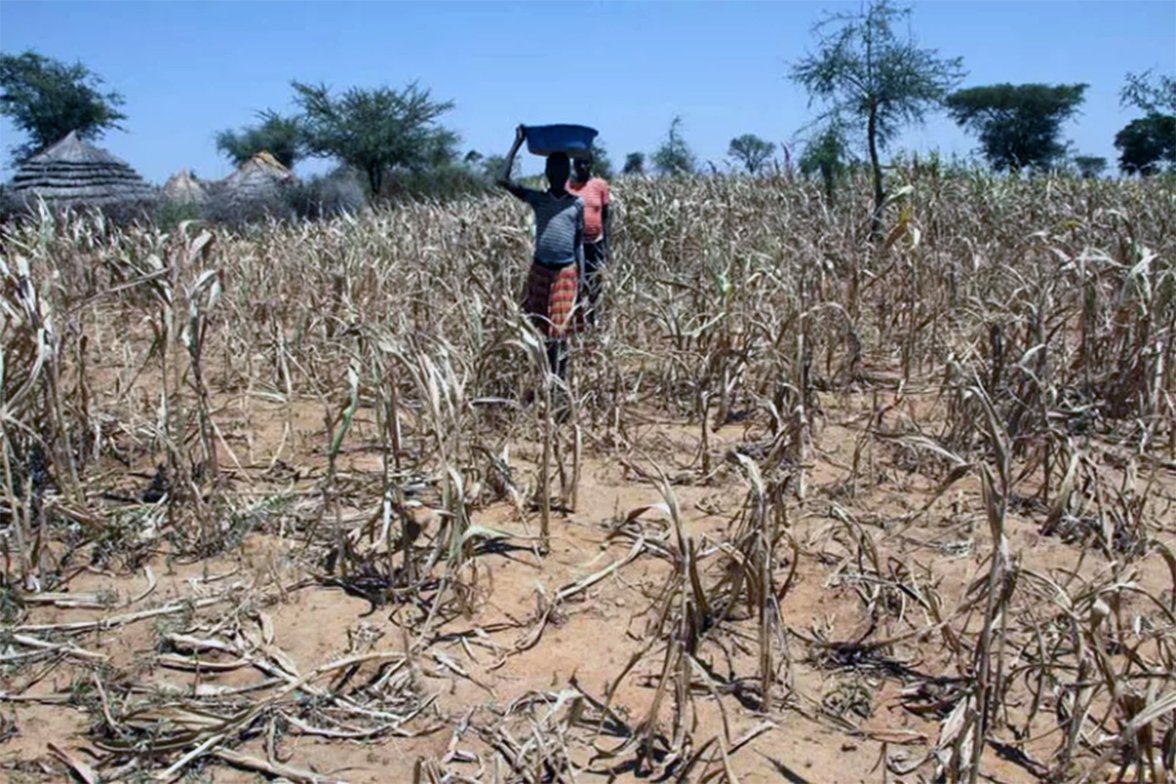
Without strong action, climate change could cut Uganda’s economic growth by up to 3.1% by 2050, pushing more than 613,000 people into poverty and turning 12 million more into internal migrants., a new World Bank report has warned. The Country Climate and Development Report (CCDR) for Uganda, published by the World Bank Group and launched in Kampala last week, examines the country’s vulnerability to climate change and outlines interventions to mitigate its impacts. The report, which highlights Uganda as the 14th most climate-vulnerable country in the world, highlights serious risks from climate change, including a drop in overall labor productivity up to 2.4% due to heat stress, threats to 21% of the electricity network, and annual road damages costing as much as $26 million. To address these challenges, it recommends a shift toward climate-resilient, low-carbon growth through coordinated actions across sectors, focusing on building resilience among Uganda’s youth and low-income earners while strengthening agriculture, energy, infrastructure, and urban development. “Uganda faces a critical moment as the 14th most climate-vulnerable country,” said Qimiao Fan, World Bank Division Director for Kenya, Rwanda, Somalia, and Uganda. “Climate action is not only essential but offers an opportunity to redefine the country’s development trajectory. The CCDR provides a roadmap for integrating climate consideration into national policies and investments, ensuring that growth is sustainable, inclusive, and climate resilient.” Uganda is also ranked 163rd on the list of countries that are most-ready to climate change, yet it is vulnerable to floods, droughts, and landslides, which have increased over the last 30 years. Over the last two decades, an average of 200,000 Ugandans were affected annually by heavy rainfall, floods, droughts, and other hazards. According to Uganda National Panel Survey data, 30–40 percent of households experienced drought, irregular rains, flooding, the death of income earner(s), and other shocks over the past 10 years, with rural and the poorest households most affected. Over half of Ugandans surveyed by Afrobarometer in 2024 6 stated that over the past 10 years, droughts had become more severe. Almost 70 percent reported that crop failure had become more severe, and roughly one-third that floods had become more severe. Over the past five years, roughly 40 percent have changed their use and sourcing of water, nearly 40 percent have modified the time and way they work outdoors, 23 percent have migrated, 43 percent have changed grazing patterns and reduced the number or changed the type of livestock they own, and 54 percent have changed the crops they plant or food they consume. To achieve climate-positive growth, the report recommends four multisectoral intervention packages, backed by economy-wide measures and strong private sector engagement. “Private investment in climate-smart agriculture, solar irrigation, renewable energy, e-mobility, and green building can enhance food security, energy access, and livable cities—while creating jobs and driving economic growth,” said Mary Porter Peschka, International Finance Corporation (IFC) Division Director for Eastern Africa. “By fostering private engagement in climate-resilient projects, Uganda can build a greener and more prosperous future.” The four intervention packages recommended by the report include; boosting resilience through jobs for youth and services for the poor, advancing sustainable agriculture and protecting natural resources, investing in climate-smart mobility and infrastructure such as renewable energy (hydro, solar) and incorporating risks into urban planning and infrastructure design. Furthermore, the report calls for coordinated climate action across government, private sector, communities and partners, particularly implementing Uganda’s National Climate Finance Strategy, integrating climate considerations into public procurement, strengthening disaster risk management and legal frameworks for crisis management and ensuring access to international and regional markets for low-carbon goods and services, among others. “Combining rapid growth with better development and targeted adaptation interventions can help Uganda achieve its growth objectives and handle the unpredictable impacts of climate change,” the report notes, adding the country is the world’s 51st largest emitter of greenhouse gases, which lead to global warming.
World Bank warns Uganda over climate change impacts
The Edge Brief
Business stories from Uganda and the region, delivered to your inbox. Free, with one-click unsubscribe.