Kenya has confirmed its first case of Ebola, raising concerns about the possible impact on the country's tourism industry just as it hosts one of the region's major travel trade events.
Health Cabinet Secretary Aden Duale said a Kenyan man who had lived and worked in the Democratic Republic of Congo for seven years had died in Nairobi after testing positive for Ebola Bundibugyo virus.
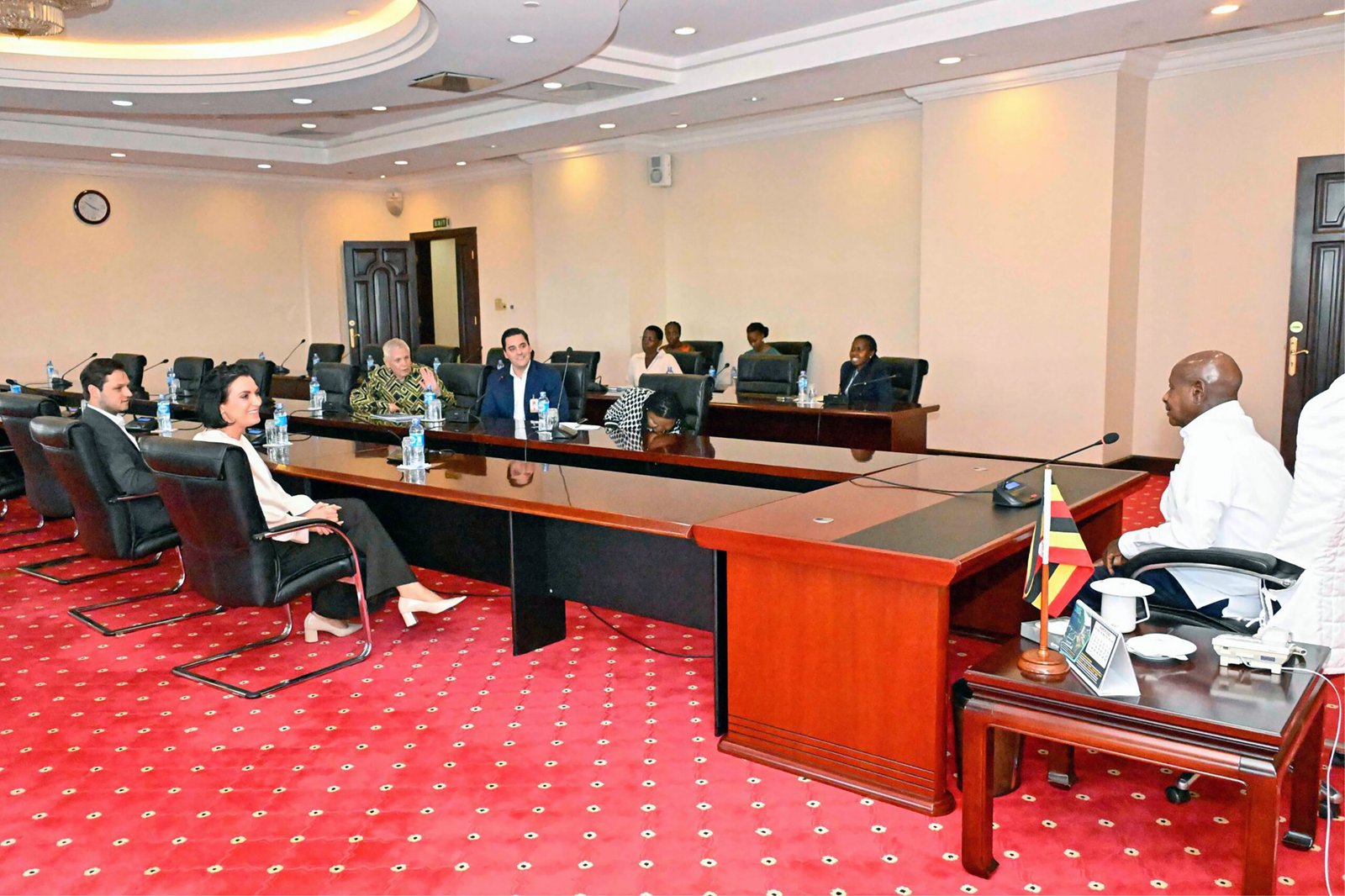
The announcement came as the Magical Kenya Travel Expo was taking place in Nairobi, bringing together tourism businesses, international buyers and other industry representatives.
The event is intended to promote Kenya as a leading tourism destination and help attract more visitors and investment to the sector.
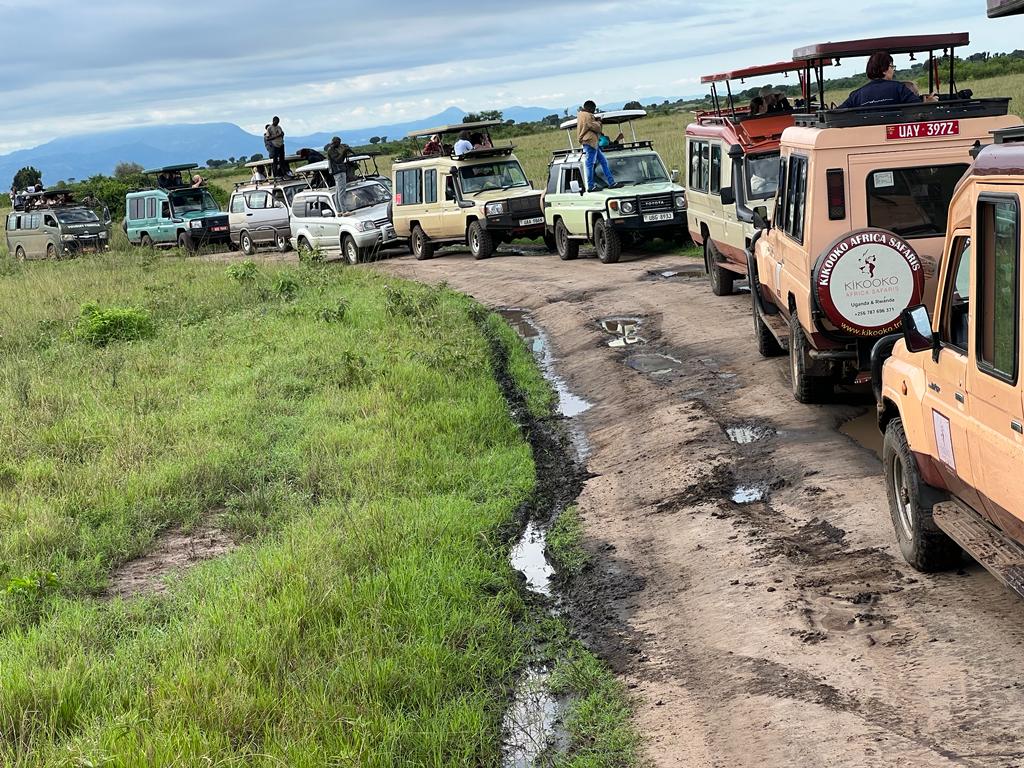
Kenya's tourism industry has been recovering strongly. The country received about 2.7 million international visitors in 2025, up from approximately 2.47 million the previous year.
When domestic travellers are included, Kenya recorded an estimated 7.9 million tourist visits last year. Tourism earnings also rose to about Ksh500 billion (US$3.9bn), from Ksh452.2 billion (US$3.8 billion) in 2024.
The government says the increase was driven by stronger destination marketing, improved tourism products, better connectivity and the recovery of key international markets.
Tourism Cabinet Secretary Rebecca Miano said in April that the government would continue to promote Kenya through the Magical Kenya brand.
“This above-average performance underscores growing international confidence in Kenya as a preferred travel destination,” she said.
But the Ebola case has introduced a new challenge for a sector that depends heavily on international perceptions of safety.

The Ebola case
According to Duale, the patient had been living and working in the Democratic Republic of Congo before becoming ill about a month ago.
He was treated at several hospitals in Congo before travelling by road to Uganda and then taking a flight from Entebbe to Nairobi.
He arrived at Jomo Kenyatta International Airport on Oct.3 on a Jambojet flight. Duale said the man underwent normal health screening at the airport before being taken by a relative to a hospital in Nairobi.
He was later transferred to an isolation facility, where doctors became concerned that his symptoms could be linked to a viral haemorrhagic fever.
“He developed fever, chills, intense fatigue and weakness, painful swallowing, muscle pain and bleeding under the skin,” Duale said.
Doctors collected samples, which tested positive for Ebola Bundibugyo virus. The patient later died on oct.5.
Kenyan authorities are now trying to establish who may have come into contact with him.
Duale said 28 contacts, including family members and health workers, had been identified. Authorities are also tracing passengers and crew who travelled on the same flight from Uganda.
Jambojet said it was co-operating with Kenyan health authorities and Port Health Services as investigations continue.
Kenya has placed its border points on heightened alert and is monitoring for possible additional cases. The government is also investigating how the patient passed through airport screening.
Kenyan health officials have suggested that medication may have reduced or masked some of his symptoms.
Uganda had just ended its Ebola outbreak
The case is particularly significant for Uganda, which the patient travelled through on his way to Kenya.
Uganda had only recently brought its own Ebola outbreak to an end.
The country declared an outbreak of Ebola Bundibugyo virus on May.15, after infections were imported from the Democratic Republic of Congo.
Uganda recorded 20 confirmed cases during the outbreak, including 15 people who had been infected after crossing from Congo. Two people died.
Uganda's last Ebola patient was discharged from hospital on July.16. The country subsequently completed the required 42-day period without a new confirmed infection.
The World Health Organization and Africa Centres for Disease Control and Prevention formally recognised the end of the outbreak in August.
The Ugandan Ministry of Health said its response had been helped by rapid testing, contact tracing, surveillance and isolation of suspected cases.
But health authorities have continued to warn that the risk of imported infections remains because of the ongoing outbreak in neighbouring Congo.
That concern has now been illustrated by the Kenyan case. The patient travelled from Congo through Uganda before flying to Nairobi, highlighting the difficulty of preventing infectious diseases from crossing borders in a region where people frequently travel by road and air.
A difficult time for tourism
The case comes as Kenya is trying to turn its tourism recovery into longer-term growth.
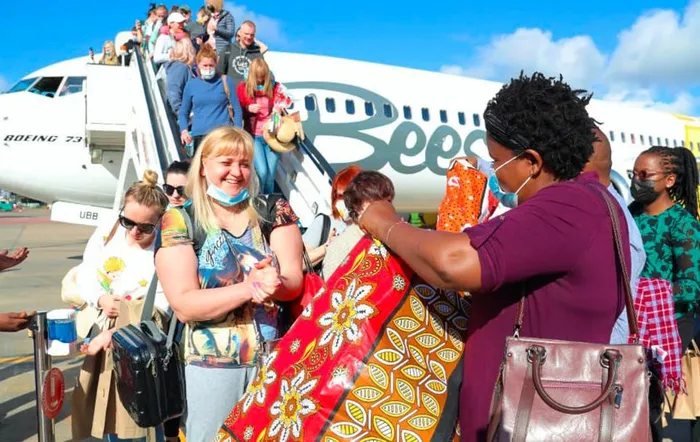
Africa accounted for 47% of international visitors to Kenya in 2025, followed by Europe with 25% and the Americas with 14%.
The United States was the largest source market, followed by Uganda, Tanzania and the United Kingdom.
Leisure travel accounted for 46% of international arrivals, while visits to friends and relatives made up 20% and business travel 19%.
This means Kenya's tourism industry relies on a wide range of travellers, including visitors from neighbouring countries.
Uganda is particularly important because of the close links between the two countries and frequent movement across their shared border.
The Ebola case itself is believed to have been imported from Congo through Uganda. Congo is currently experiencing a major Ebola outbreak caused by the Bundibugyo virus.
The outbreak has spread across several provinces, and the World Health Organization has described it as the largest Ebola outbreak ever recorded in the Democratic Republic of Congo.
For Kenya, the priority now is to contain the virus before further cases emerge.
There is currently no evidence of widespread transmission in the country, and the World Health Organization has not recommended general travel restrictions.
But health emergencies can have consequences beyond the number of confirmed cases. Travel advisories, flight disruptions or concerns among tourists can quickly affect hotels, airlines, tour operators and other businesses that depend on international visitors.