I heard someone once say, “You can have a million problems in the world, but when you have a health problem, you have only one problem.”
It is a simple thought, but it captures why healthcare matters to families, communities and the country. When someone is unwell, everything else can pause. Illness can mean lost income, missed school and difficult choices.
A few weeks ago, while participating in a healthcare initiative in some of Uganda’s underserved communities, I was reminded of this in very practical ways.
In Luuka, Gomba and Amudat, access to healthcare is not just a statistic. It can determine whether a mother receives care in better conditions, whether a health worker has the tools they need, or whether a family’s long journey to a health facility ends with good news.
Healthcare delivery is a Government mandate. But strengthening healthcare is something we can all play a part in.
This is not about business taking over Government’s role. It is about recognising that healthcare affects all of us. When people are healthier, families are more stable, children are more likely to stay in school, people can work and businesses and communities can thrive.
Supporting healthcare does not always mean writing a big cheque.
A health facility may need equipment, reliable power, transport, connectivity, digital tools, training or better ways of reaching the communities it serves.
The better question is: what is needed, and what can we bring?
For a bank, it could be financial inclusion. For an energy company, reliable power. For a logistics company, transportation. For a technology company, digital solutions. For a telecommunications company, connectivity and access to digital tools.
The most valuable contribution may be a service, expertise, technology, infrastructure or simply using what an organisation already does well to solve a real problem.
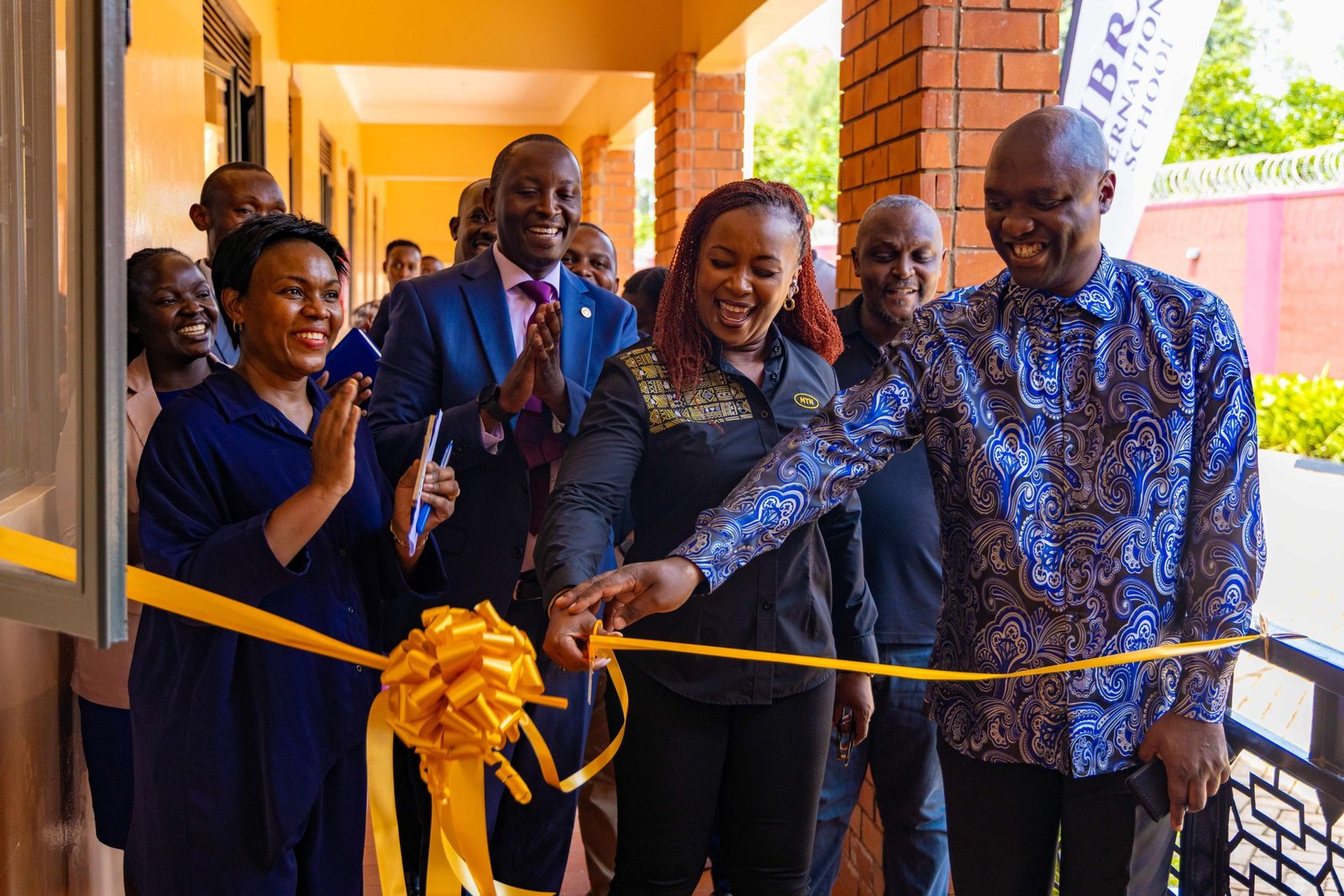
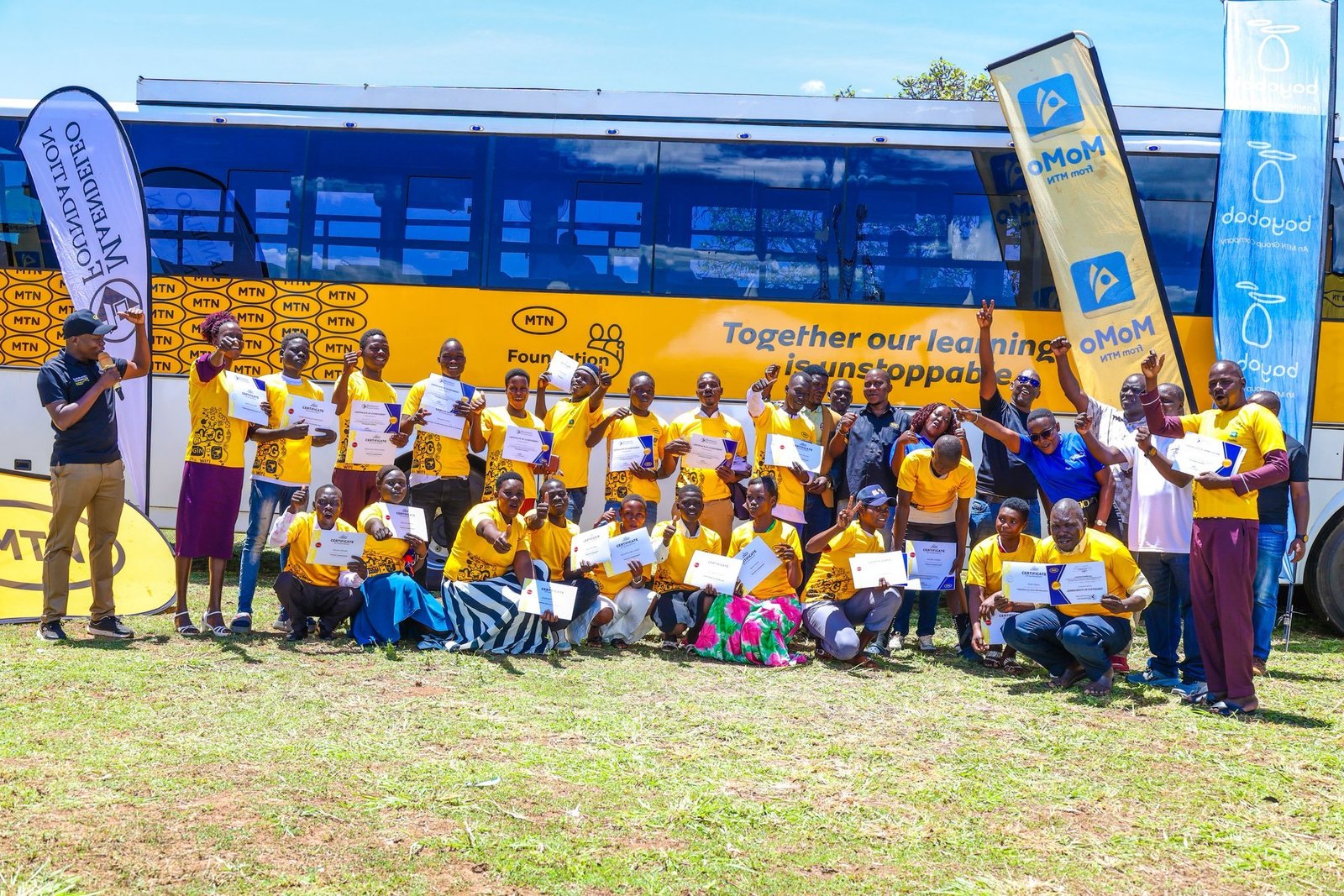
We saw this during MTN Uganda’s 21 Days of Y’ello Care campaign this year, under the theme “Expand Equitable Health for Every Community.”
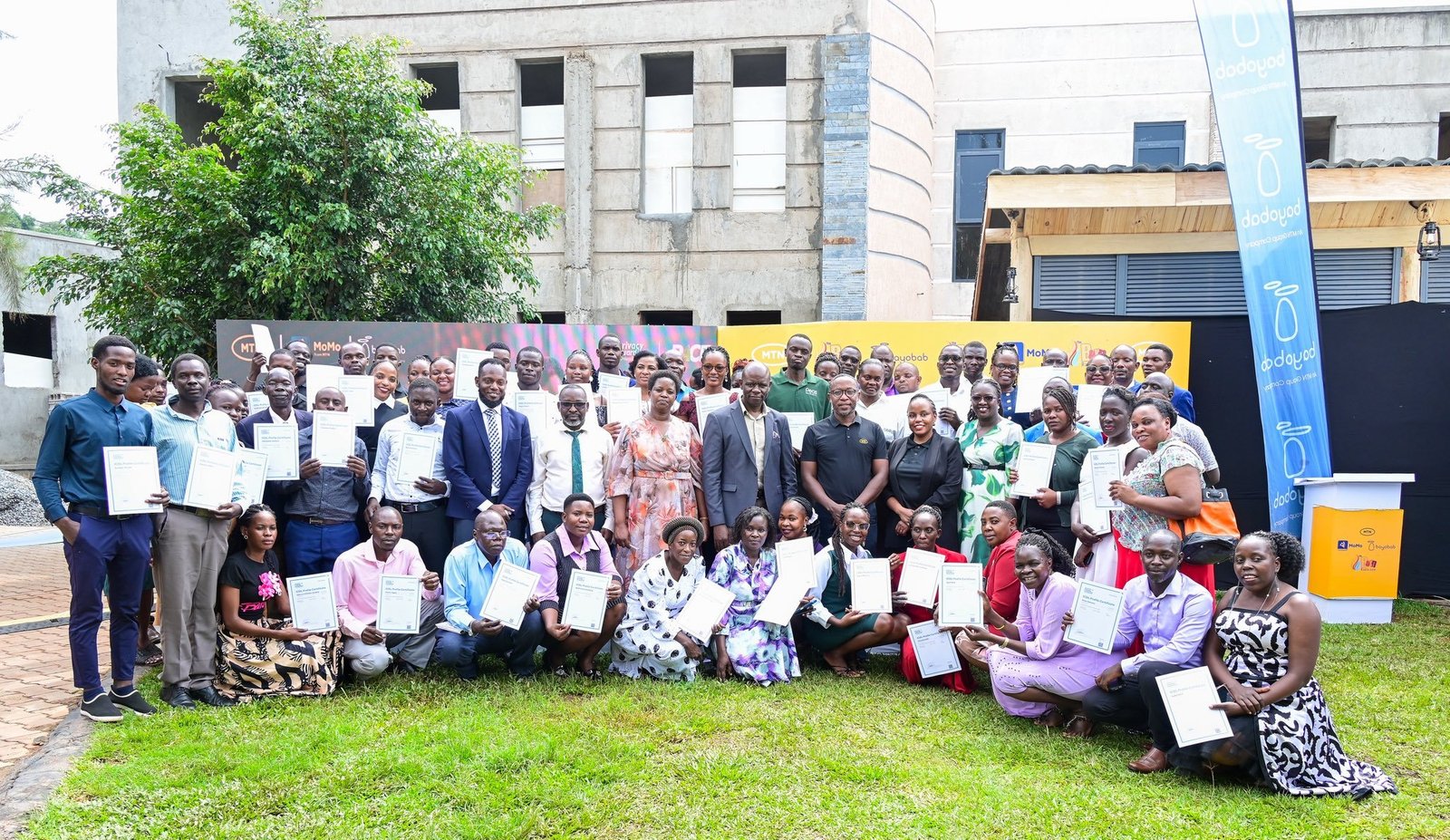
Working with partners across four Health Centre IVs, we provided maternal and child health equipment, solar power, internet connectivity, computers, smartphones, bicycles for Village Health Teams, medical camps and training.
The real value of this work is not in the amount spent, but in what those interventions make possible for people.
It is the mother receiving care in better conditions. The health worker with the right tools. The Village Health Team member who can communicate with a health facility or reach a household more effectively. The maternity ward that can rely on solar power when electricity goes off.
That is the difference between simply giving and enabling.
Over the past decade, MTN Uganda has invested more than Shs7.5 billion in maternal and newborn health programmes, supporting 36 health facilities across 49 districts and reaching more than one million beneficiaries.
These numbers matter, but what matters more is what they mean for people.
More organisations can look at healthcare through this lens. We do not all have the same resources, and we do not need to contribute in the same way.
The starting point should be the need. Then we ask what we can bring to the table.
Government remains at the centre of healthcare delivery. But businesses, communities, civil society and other partners can complement those efforts in ways that make a practical difference.
So perhaps we should ask a different question: not simply, “How much can we give?” but “What is needed, and what can we do?”
Because behind every healthcare statistic is a person — a mother, a child, a health worker, a family.
Healthcare is everyone’s business. And each of us has a role to play in making it stronger.

Subscriber comments
A space for subscribers to respond to this column. Comments are reviewed before they appear. Be civil and stay on topic.
No comments yet. Be the first to respond.