




Uganda’s inflationary pressures edged upward in April 2026, with headline inflation rising to 3.0% for the 12 months to April, up from 2.8% in March, according to data from the Bank of Uganda.
While the increase appears modest, underlying indicators point to mounting cost pressures — particularly from energy and transport — that are beginning to filter through the broader economy.
The uptick was largely driven by a sharp rise in Energy, Fuel and Utilities (EFU) inflation, which climbed to 6.1% in April from 4.1% in March.
This acceleration reflects increasing global and regional fuel costs feeding into domestic prices. Liquid fuel inflation alone surged to 7.7%, up significantly from 2.8% the previous month.
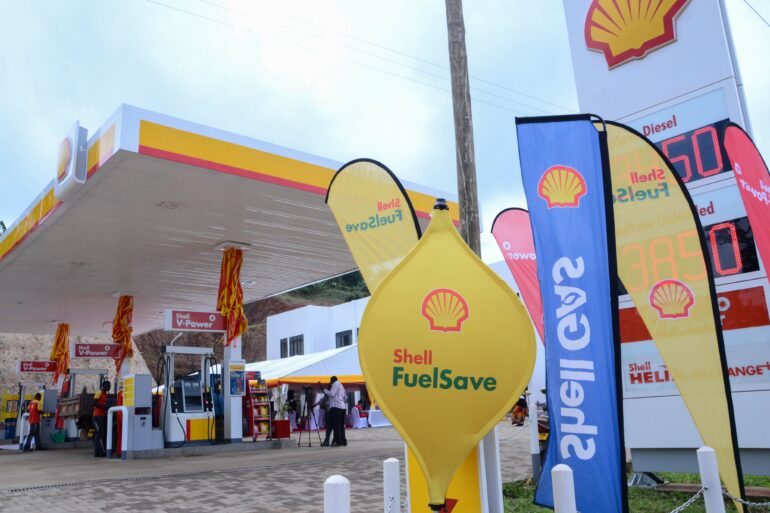
Fuel price movements illustrate the scale of pressure on households and businesses. Petrol prices increased by 8.7% year-on-year, up from 4.4% in March, while kerosene rose to 7.5% from just 0.1%.
Diesel – a key input for transport, manufacturing, and agriculture – recorded the steepest rise at 10.8%, compared with 3.0% the previous month.
Charcoal prices, widely used by households, also climbed by 9.0%, reinforcing the broader energy cost burden.
From a macroeconomic perspective, the current trend reflects cost-push inflation dynamics, where rising input costs – particularly fuel – translate into higher production and distribution expenses.
Economists note that this type of inflation is more difficult to contain because it originates from supply-side pressures rather than excess demand.
“Fuel is a universal input across sectors – transport, manufacturing, agriculture – so any sustained increase has second-round effects on prices,” analysts referencing Bank of Uganda data noted.
“Even with food inflation relatively subdued, persistent energy shocks can gradually push up the overall price level.”
Ugandan economist Fred Muhumuza says the current trend signals growing imported inflation, which could begin to affect both household welfare and business profitability if sustained.
“What we are seeing is a gradual build-up of imported inflation, largely through fuel.
For an economy like Uganda where logistics costs are already high, a 10.8% increase in diesel prices is significant – it feeds directly into food distribution, public transport fares, and ultimately retail prices,” Muhumuza explained.
He added that although headline inflation remains below the Bank of Uganda’s medium-term target of around 5%, the composition of inflation presents a more complex picture.
“Low food inflation is masking deeper structural cost pressures. If fuel prices remain elevated into the next quarter, we could see core inflation begin to accelerate more noticeably,” he noted.
Annual core inflation – which excludes volatile food crops and energy prices – rose slightly to 3.0% in April from 2.9% in March, suggesting relatively stable underlying demand.
Within this, services inflation increased to 4.1% from 4.0%, driven by higher passenger transport fares and rising costs in restaurants and cafés, both closely linked to fuel price movements.
Core goods inflation remained unchanged at 2.0%, although specific items recorded notable price shifts.
Fish and other seafood prices rose by 9.1%, live chicken by 4.0%, and cement prices edged up by 0.7%, indicating that construction sector costs remain sensitive to energy inputs.
Food crops and related items inflation eased to 0.6% in April from 1.0% in March, offering temporary relief to consumers.

Finance Minister Matia Kasaija (R) and Permanent Secretary Ramathan Ggoobi must chart a wayforward. FILE PHOTO
This was largely due to declining prices in key staples: tomatoes dropped sharply by 18.7% and sweet potatoes fell by 1.3%. Irish potatoes recorded a slower increase at 6.7%, while cabbage prices rose significantly by 17.9%, reflecting ongoing supply fluctuations.
Despite this moderation, economists caution that food inflation remains highly seasonal and susceptible to weather patterns, meaning current gains could be reversed in the coming months.
Regional inflation trends highlight structural differences across the country. Masaka recorded the highest annual inflation at 4.1%, driven by increases in food and non-alcoholic beverages (1.8%) and transport costs (5.0%).
Kampala’s high-income areas followed at 3.8%, with transport inflation of 4.5% and food inflation of 5.3%, pointing to stronger consumption patterns.
Mbale Centre registered the lowest inflation at 1.0%, largely due to negative food inflation of -0.3% and declining costs in restaurant and accommodation services, suggesting weaker demand dynamics in that region.
On a month-on-month basis, inflation rose to 0.6% in April from 0.1% in March, indicating increasing short-term price pressures.
Core inflation increased to 0.5% from 0.0%, while EFU inflation rose to 1.8% from 1.0%, again driven by higher fuel prices. Petrol increased by 4.2% during the month, while diesel rose by 8.2%.
Food crops also recorded a monthly increase of 0.9%, up from 0.3%, with price increases observed in essential commodities such as beans, matooke, cassava, onions, and sweet potatoes.
Overall, the latest data suggest that while Uganda’s inflation remains within manageable levels, the growing influence of fuel and transport costs presents a key risk to price stability.
For policymakers at the Bank of Uganda, the challenge will be to contain emerging inflationary pressures without undermining economic growth, particularly as businesses continue to grapple with rising input costs.