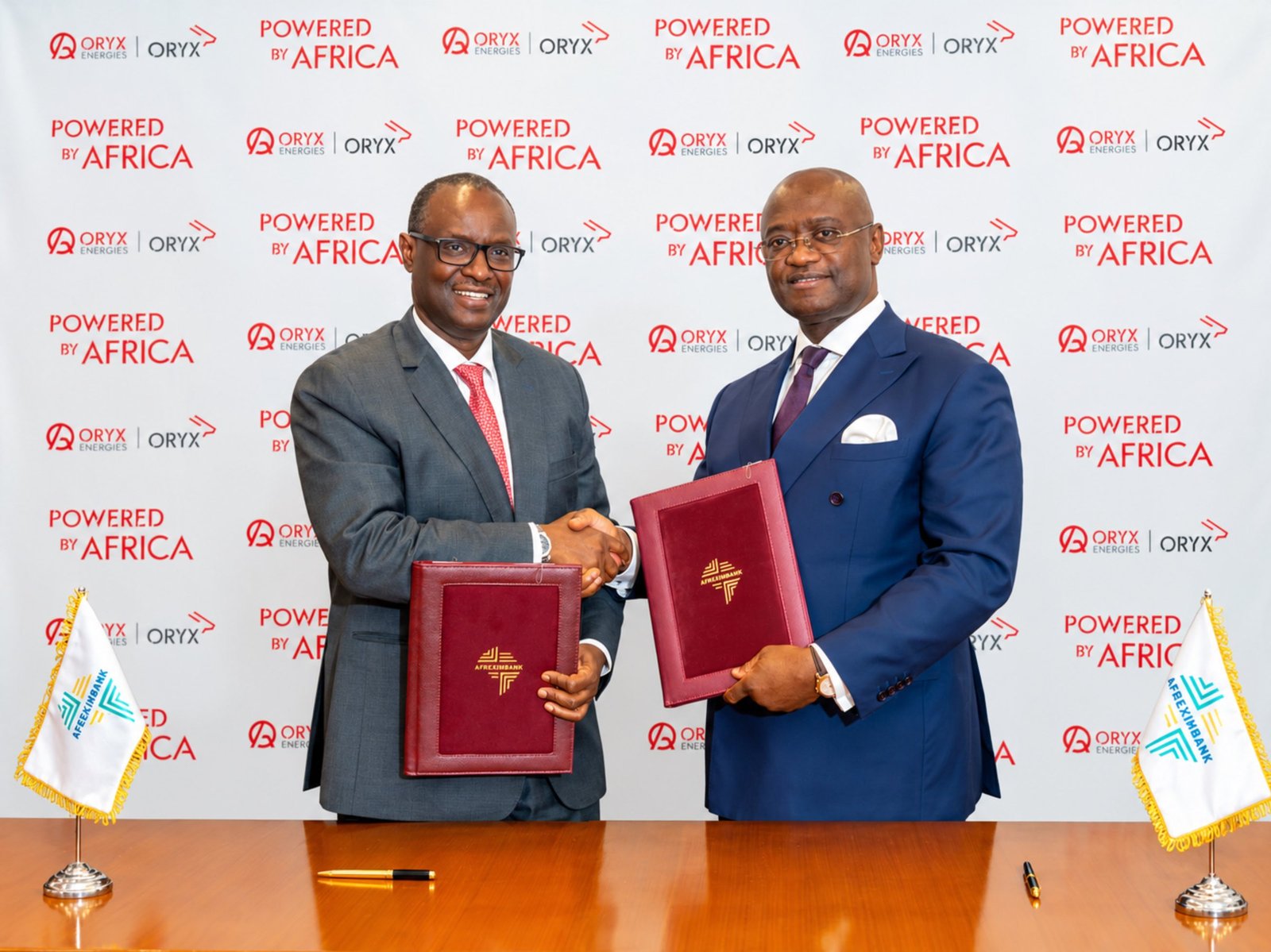
Africa’s multilateral lender, African Export-Import Bank, has provided US$975million to help finance the management buyout of Oryx Energies, a Geneva-headquartered energy company with operations across sub-Saharan Africa.
The deal will bring the company under majority African ownership for the first time, marking a change for a business that was built over nearly four decades by a privately owned investment group with Swiss roots.
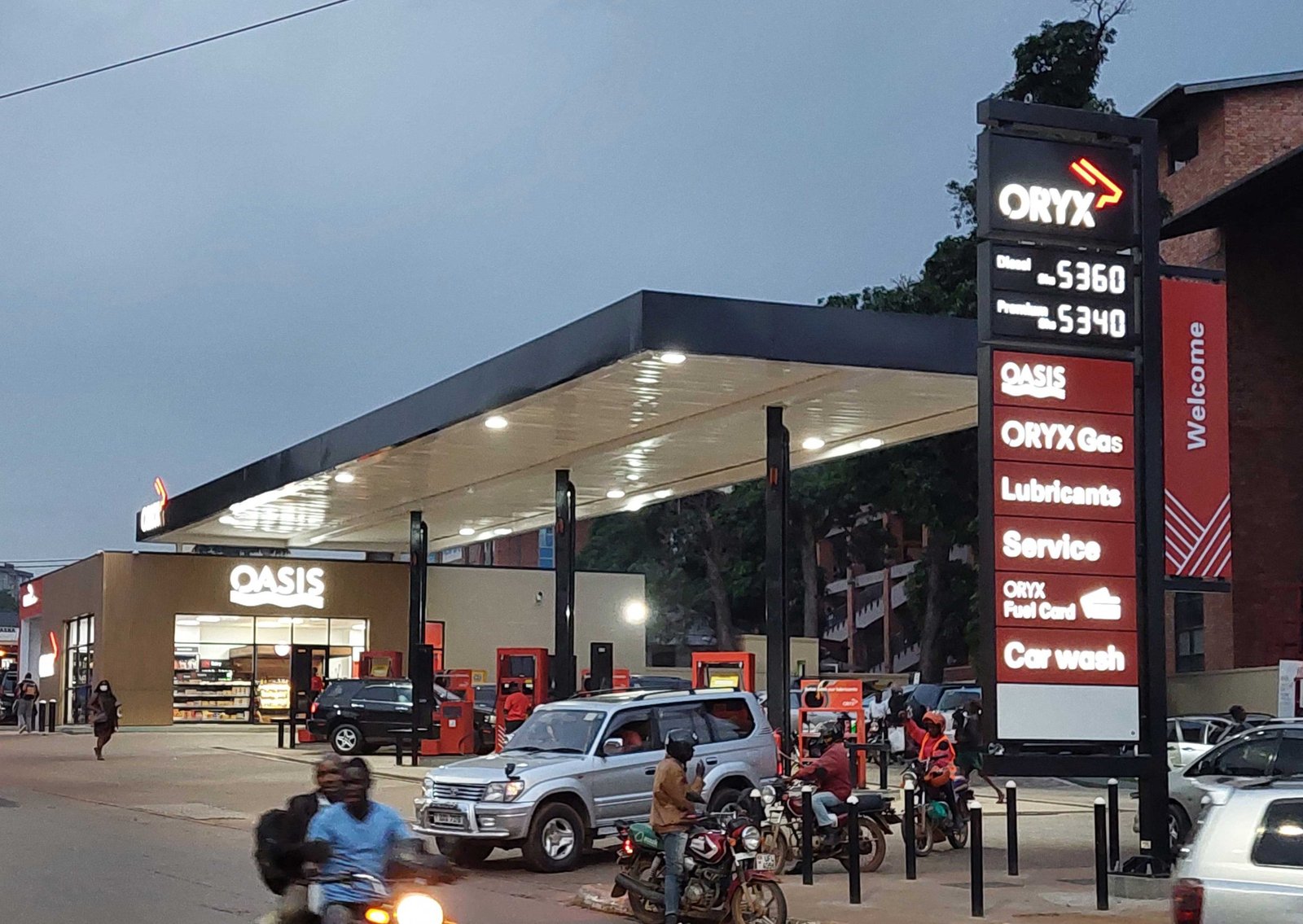
Oryx Energies is the holding company of Addax Energy, which trades oil and petroleum products. The group also supplies fuels, liquefied petroleum gas (LPG) and lubricants, and operates storage and distribution infrastructure across African markets.
The company that operates in more than 20 African countries has 24 service outlets across Uganda. Its wider network includes operations in Kenya, Rwanda, Tanzania, Senegal, Mali, Côte d’Ivoire, Nigeria, Zambia, Zimbabwe and South Africa. The company also supplies customers in other African markets, including Ghana, Cameroon, Burundi and South Sudan.
Afreximbank said in a statement on Wednesday that it had acted as the sole lender and handled the administration and security arrangements for the transaction.
The financing is part of the bank's efforts to increase African participation in strategic businesses and help the continent retain more of the economic value generated by its resources and trade.
“This transaction advances Afreximbank’s mandate to drive the structural transformation of African economies,” said George Elombi, the bank's president and chairman.
He said the acquisition would help strengthen energy infrastructure, support local businesses and create opportunities for more African participation in the energy industry.
Swiss roots to African ownership
Oryx Energies traces its origins to 1987, when Jean-Claude Gandur, a Swiss entrepreneur, founded the Addax and Oryx Group (AOG), a privately owned investment company focused initially on oil trading.
The business expanded into storage and distribution as it sought to supply the growing energy needs of sub-Saharan Africa. In 2013, the group brought its trading and downstream operations together under the Oryx Energies name.
The wider AOG group also developed an oil exploration and production business, Addax Petroleum, which it sold to China's state-owned energy company Sinopec in 2009.
Oryx Energies remained part of AOG, whose investment interests later expanded into property and other financial assets. The energy business is headquartered in Geneva, Switzerland, and has built a presence in more than 20 countries.
The management buyout changes the ownership of the energy business, although it does not in itself mean that the company will move its headquarters or immediately change its operations in individual countries.
Moussa Diao, the chief executive officer at Oryx Energies, said the deal would allow the management team to build on its experience in African energy markets.
“This management buyout marks an important milestone in the history of Oryx Energies and the continuation of a journey that our management team has been part of for many years,” he said.
Diao said the company intended to strengthen its energy trading activities and invest in infrastructure across the continent. He also credited Afreximbank's backing with helping to make the transaction possible.
Why the deal matters
Many African countries produce crude oil and natural gas but continue to depend on imported refined petroleum products. Businesses involved in trading, shipping, storage and distribution therefore play an important role in keeping fuel supplies moving to households, businesses and industries.
“This management buyout marks an important milestone in the history of Oryx Energies and the continuation of a journey that our management team has been part of for many years,”
Moussa Diao, the chief executive officer at Oryx Energies.
The change in Oryx's ownership could give African investors and financial institutions a greater stake in this part of the energy supply chain.
Afreximbank has financed projects across the energy sector, including investments in production and refining including Nigeria’s Dangote Group. Its support for the buyout extends that role to the ownership of an established trading and distribution business.
However, a change in ownership does not automatically mean lower fuel prices or improved energy security. These also depend on global oil prices, exchange rates, taxes, transport costs and the reliability of supply.
The longer-term impact will depend on whether the new owners invest in infrastructure, expand distribution and improve the company's ability to serve markets across Africa.