African financial institutions have launched a $5bn energy bank to help countries develop oil and gas resources, expand refining capacity and reduce their reliance on imported petroleum products.
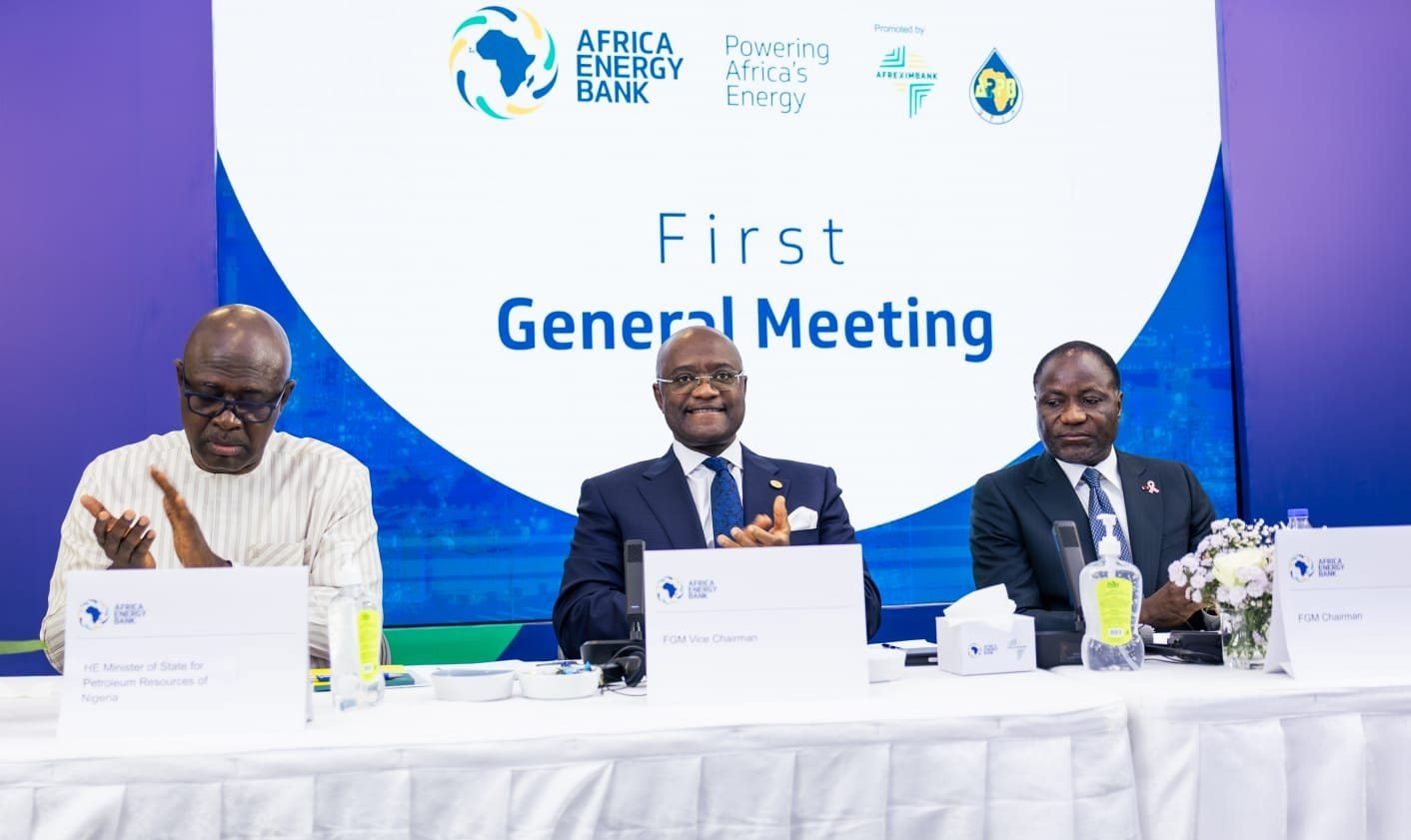
The Africa Energy Bank, established by the African Export-Import Bank (Afreximbank) and the African Petroleum Producers’ Organisation (APPO), was formally announced at its inaugural general meeting in Abuja, Nigeria, on 31 October.
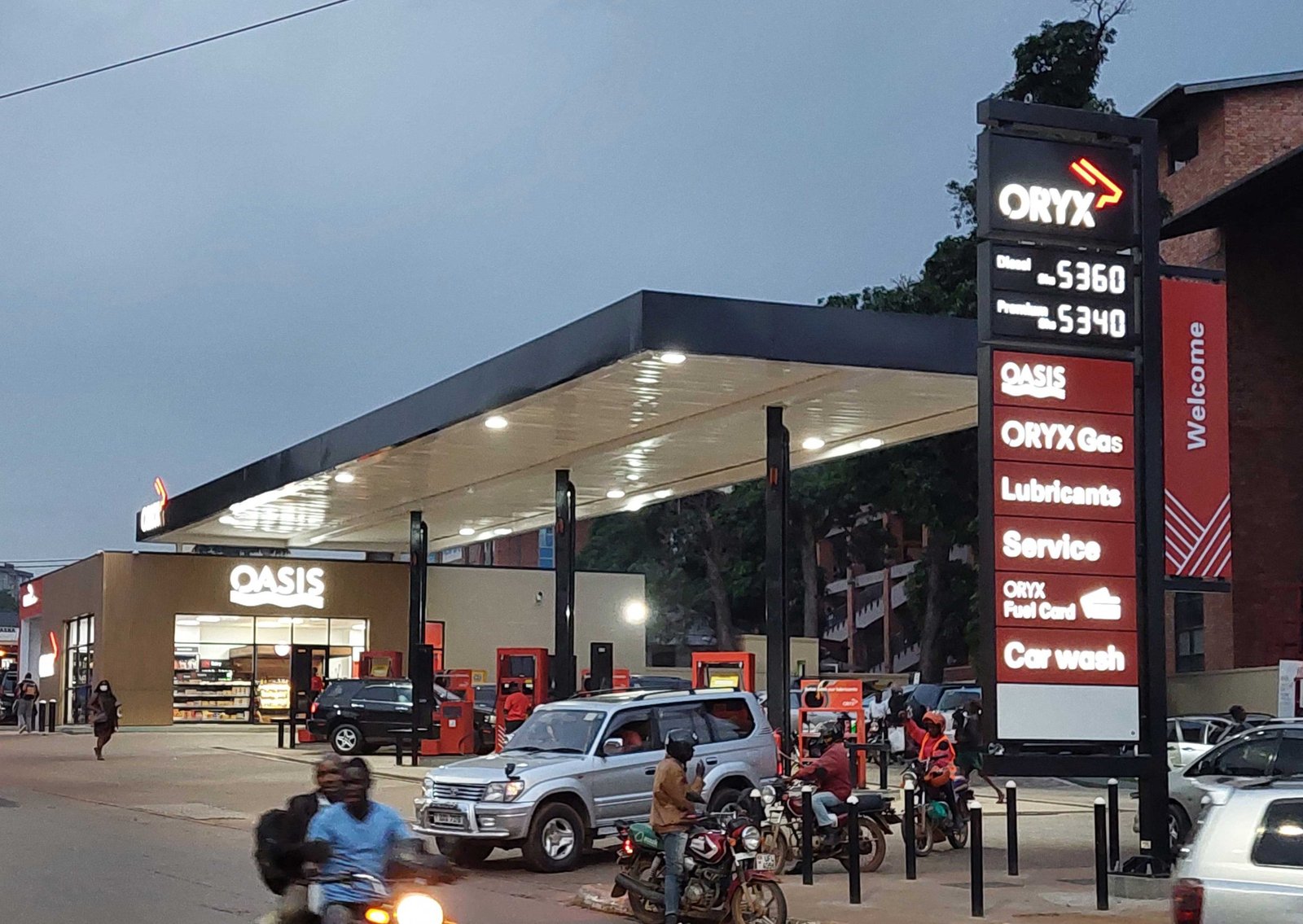
The bank comes as African countries face rising fuel prices and concerns about the reliability of energy supplies. In Uganda, petrol prices rose from about Shs5,400 per litre in April to Shs6,950 in October, while diesel increased from Shs4,700 to Shs7,290 over the same period.
Higher fuel prices have increased the cost of transport, manufacturing and food distribution, putting additional pressure on businesses and households. The increases have also highlighted the vulnerability of countries that depend on imported refined petroleum products despite having significant oil and gas reserves.
Afreximbank and APPO estimate that Africa needs about $200bn in energy investment to develop its resources and meet growing demand. However, access to finance has become more difficult as international lenders increasingly restrict funding for fossil fuel projects.
The Africa Energy Bank will have authorised capital of $5bn and is expected to mobilise additional investment from governments, national oil companies, financial institutions and private investors.
Its mandate covers the entire energy value chain, including oil and gas exploration, production, transportation, processing, refining and distribution.
The promoters say the institution will help African countries increase domestic production, develop refineries and strengthen infrastructure needed to move energy products across borders.
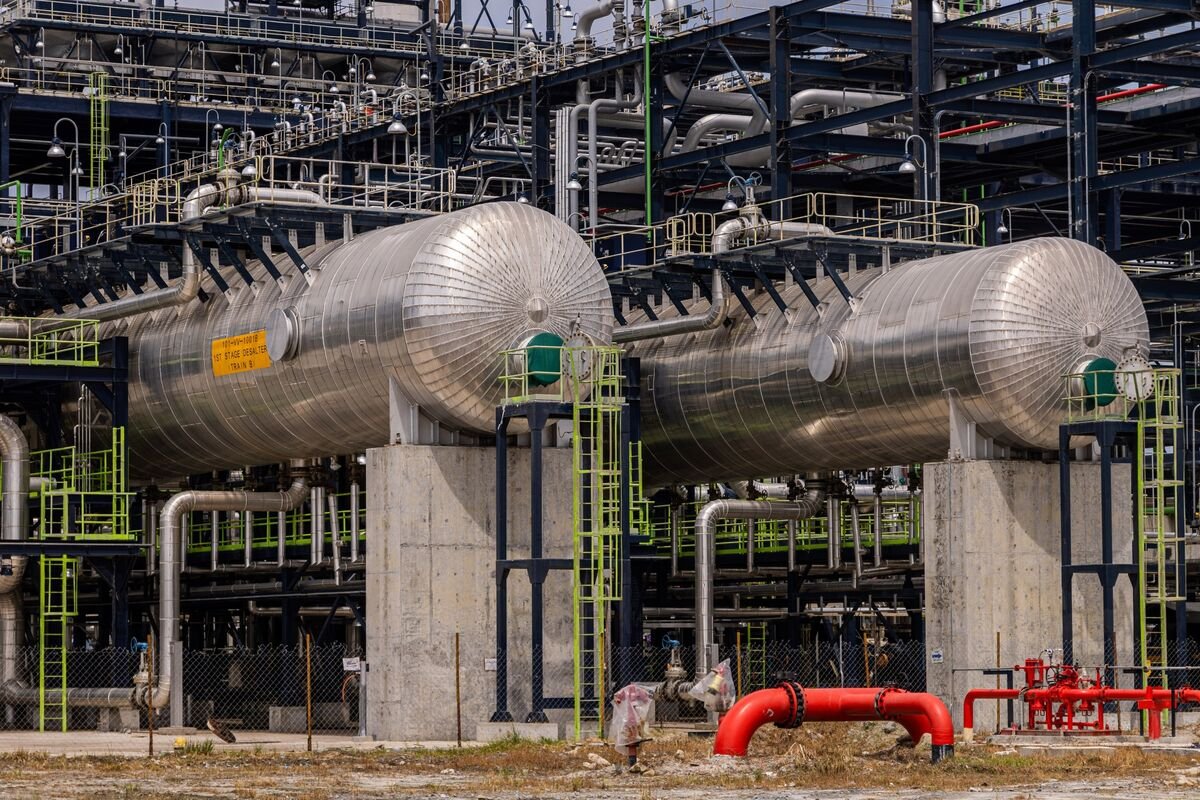
This is particularly important for oil-producing countries that still import large quantities of refined fuel because they lack sufficient domestic processing capacity.
The bank will operate as an independent pan-African financial institution, with a mandate to increase African participation in the ownership and financing of energy projects.
Its establishment comes as governments face the challenge of expanding access to affordable energy while also moving towards cleaner sources of power. Oil and gas remain important to many African economies, particularly those seeking to expand manufacturing and industrial production.
The growing use of artificial intelligence and other emerging technologies is also expected to increase demand for reliable electricity and supporting infrastructure.
At its inaugural general meeting, the bank appointed Helmy Ghazi as its first president and established its first Board of Directors, comprising representatives from the public and private sectors and policy institutions across Africa.
The bank's success will depend on its ability to attract additional investors and turn its authorised capital into financing for projects across the continent.