Uganda is seeking European investment, technology and financing partnerships to expand renewable energy generation and improve electricity access as the government looks to meet rising demand from households and industries.
The fifth Uganda-EU Business Forum, running from October 20 to 21 at Kampala Serena Hotel, brings together businesses, government agencies, financial institutions and development partners to identify energy projects and mobilise funding.
The discussions cover hydropower, geothermal, solar power and electricity infrastructure, with business-to-business and business-to-finance meetings intended to connect project developers with investors, lenders and technology providers.
The investment push comes as Uganda’s installed electricity generation capacity reached 2,098.6 megawatts at the end of 2025, up from 400MW in 2000, according to the Electricity Regulatory Authority. Hydropower accounted for 1,721.7MW, while solar photovoltaic installations contributed 111.3MW.
Grid-connected power plants generated 8,021.8 gigawatt-hours of electricity in 2025, an 18% increase from the previous year, ERA data show. Hydropower accounted for about 89% of generation, underscoring the country’s reliance on a single source and the need to diversify supply.
Uganda’s Ministry of Energy and Mineral Development estimates the country has more than 5,300MW of renewable energy potential across hydropower, geothermal, biomass, solar and wind resources.
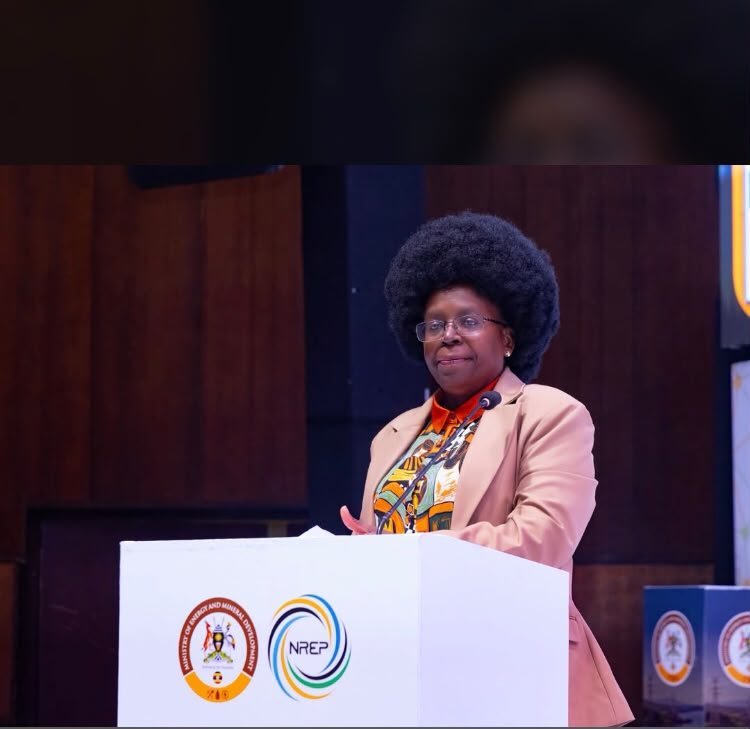
“Uganda’s transition to a modern, productive and sustainable energy system for national transformation requires more than infrastructure; it requires investment, innovation, technology and strong partnerships,” Energy and Mineral Development Minister Monica Musenero Masanza said.
For manufacturers and agro-processors, expanding reliable electricity supply could help reduce operational constraints, improve productivity and support investment in value addition. Turning the country’s energy potential into operating projects, however, requires substantial upfront capital, specialised technology and long-term financing.
European Union Ambassador to Uganda Jan Sadek said the bloc was working with Uganda and regional partners to mobilise public and private funding through its Global Gateway strategy.
The initiative seeks to connect European expertise and technology with investment opportunities in Uganda, including renewable energy and supporting infrastructure, Sadek said.
Private Sector Foundation Uganda Chief Executive Officer Stephen Asiimwe said the forum offered businesses opportunities to establish partnerships and identify practical solutions for expanding access to clean energy.
The forum coincides with the Renewable Energy Conference and Expo 2026, running from October 19 to 22, where companies can showcase projects and pitch investment opportunities.
Commercial ties provide a foundation for deeper cooperation. Uganda’s exports to the EU rose from about $423 million in 2015 to $2.02 billion in 2025, according to forum organisers. Uganda recorded a trade surplus of approximately $1.07 billion with the bloc last year.
The forum is organised through the EU-Uganda Business Hub in partnership with the European Union, the energy ministry, the Private Sector Foundation Uganda and other stakeholders.