




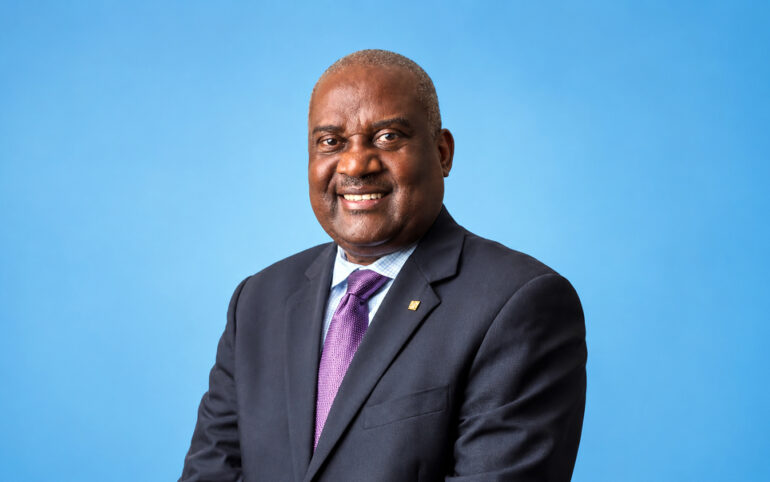
Quality Chemical Industries Limited, based in Kampala, has been selected by global pharmaceuticals gaint Merck, to help manufacture alimatravir. a once-monthly pill being tested to prevent HIV-1 infection.
Merck, known as MSD outside the US and Canada, picked QCIL as one of only three sub-Saharan African firms in this early licensing round, according to a press released issued on Friday.
“The inclusion of manufacturers in Uganda, Kenya and South Africa marks the first time that companies in sub-Saharan Africa have been part of the initial voluntary licensing process for an HIV prevention medicine,” the press release reads in part.
For four decades, the world has searched for simpler ways to stop HIV transmission. Daily pills have helped. Injectables have helped more.
But adherence remains hard for many people.
A once-monthly oral option could change that equation. In 2025 alone, roughly 1.2 million people acquired HIV worldwide.
That is about 3,300 new infections daily. Unfortunately, only 3.5 million people used oral PrEP in 2023, far short of the 20 million target set for 2030. Alimatravir, still investigational, offers a rare chance to close that gap.
QCIL’s selection matters beyond one drug. It signals trust in African manufacturing capacity. Founded by Emmanuel Katongole, QCIL already produces WHO-prequalified antiretrovirals in addition to anti-malaria drugs.
Its medicines reach over 30 African countries. This new agreement lets QCIL prepare early, ahead of final trial results. That head start means faster access once regulators approve the drug, if they do.
For Uganda, the implications run deep. Local production cuts reliance on imported medicines. It shields supply chains from currency swings and shipping delays.
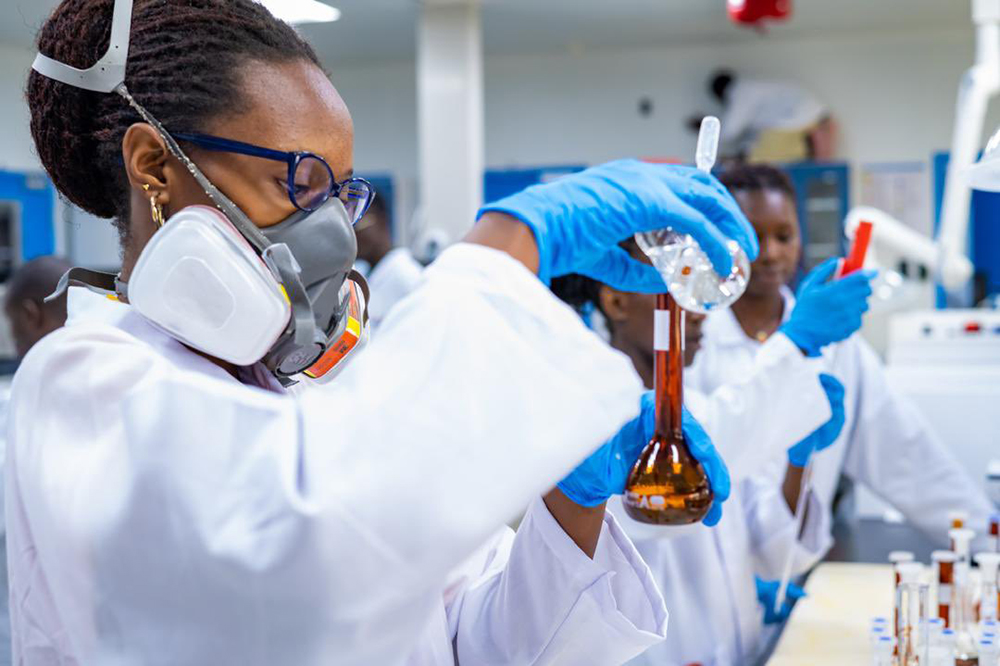
A worker inside QCIL factory in Kampala
It also creates skilled jobs for pharmacists, scientists and quality engineers.
Each of these roles strengthens Uganda’s standing as a manufacturing hub, not just a market for foreign drugs.
The regional health impact could be significant. Uganda is enrolling participants in EXPrESSIVE-10, a Phase 3 trial testing alimatravir in young women across Uganda, Kenya and South Africa.
These are populations at high risk of infection. If the drug succeeds, local manufacturing means faster rollout across East and Central Africa.
Fewer delays could mean fewer new infections. That is the promise, though it still hinges on trial outcomes and regulatory approvals.
This agreement also marks another turn in Merck’s long history.
The pharmaceuticals giant has worked on HIV science for more than 40 years. It helped pioneer several drug classes now used worldwide.
By licensing generic manufacturers before trials even finish, Merck is trying something new. It is choosing to plan for scale before proof arrives.
That approach reflects lessons from earlier health crises, when access lagged years behind approval.
Africa carries the world’s heaviest HIV burden. Yet, African manufacturers have rarely been included this early in prevention drug rollouts.
This deal, alongside licenses in Kenya, South Africa and India, changes that pattern. It suggests global drugmakers see African factories as partners, not just distribution points.
Nothing is guaranteed yet. Trials must succeed. Regulators must approve.
But Uganda now sits closer to the center of a global health effort. That shift alone deserves attention.