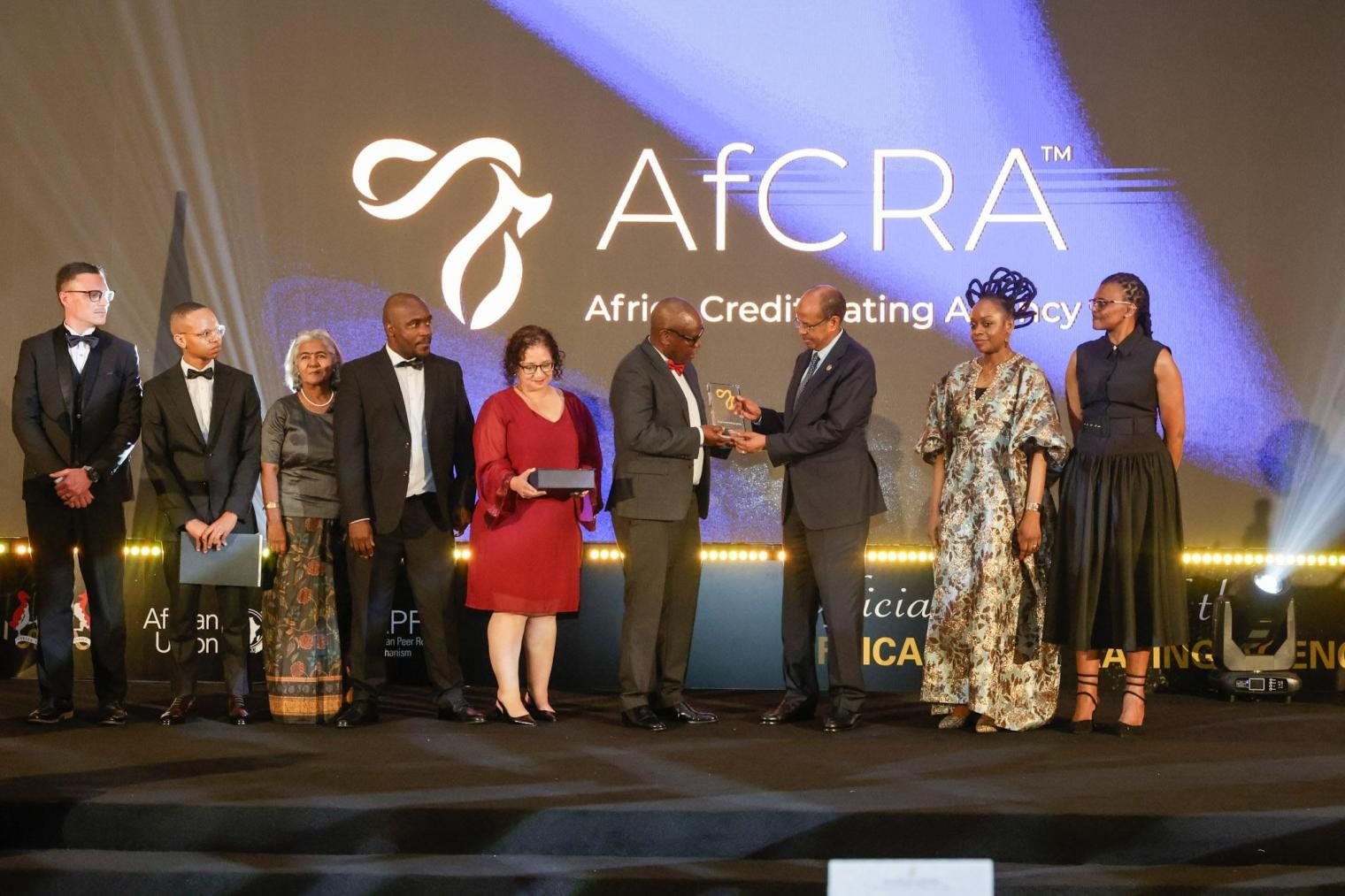
Africa is taking aim at how its credit risk is assessed as the African Union launches its own continent-wide credit rating agency in Mauritius today, seeking to give investors an alternative to the global firms that dominate the industry.
The Africa Credit Rating Agency, or AfCRA, is being launched against a backdrop of high borrowing costs, rising debt-service pressures and growing dissatisfaction among African institutions with how the continent's creditworthiness is assessed.
The agency is intended to provide ratings that take greater account of Africa's economic conditions, legal frameworks and development needs, while giving investors another source of analysis when pricing African debt.
The launch comes months after African Export-Import Bank ended its relationship with Fitch Ratings following a dispute over the assessment of the lender's credit profile.
Afreximbank terminated the relationship in January this year after Fitch downgraded the bank, arguing that the rating did not adequately reflect its establishment agreement, mission and mandate. Fitch subsequently withdrew its rating.
The dispute underscored a long-running concern among African policymakers and financial institutions that global rating methodologies can fail to capture the particular structures and risks of African borrowers.
The stakes are high. Sovereign credit ratings influence how much governments pay to borrow on international markets, while corporate ratings can determine whether companies are able to access institutional investors and at what cost.
Dominant rating companies
The three dominant rating companies, Moody's Ratings, S&P Global Ratings and Fitch Ratings, account for about 95% of the global credit-rating market, according to the African Peer Review Mechanism.
At the same time, 22 African countries have no rating from any of the three agencies, while more than 90% of African corporates and municipalities remain unrated, according to the mechanism. AfCRA is intended to address part of that gap.
The agency plans to provide sovereign, local-currency and corporate ratings, as well as assessments covering environmental, social and governance factors. Its methodology is expected to place greater emphasis on African economic and institutional conditions.
Replace or complement?
The African Union has stressed that AfCRA is not intended simply to replace the established rating companies.
Instead, it is designed to provide an additional source of credit analysis, increase competition and improve the information available to investors considering African assets.
Its ownership and governance will be closely watched. AfCRA is being established as a private-sector-driven institution designed to operate independently of the African Union and eventually support itself through rating revenues. That separation will be important if the agency is to convince investors that its assessments will remain independent when they are unfavourable to African governments or companies.
The potential payoff is significant. More credible and widely available ratings could bring more African borrowers into capital markets, deepen domestic debt markets and broaden the pool of investors willing to hold African assets. Greater competition in credit analysis could also, over time, influence the risk premiums demanded by investors.
But the launch itself will not lower borrowing costs. The market will determine whether AfCRA can do that.
Investors will have to judge whether its ratings are independent, rigorous and consistent enough to influence investment decisions.
African governments and companies, meanwhile, will need to demonstrate that an AfCRA rating can carry weight alongside assessments from the established agencies.