Uganda has launched a Shs10.34bn (US$2.47mn) green technology fund with Denmark to modernise agricultural processing and attract at least Shs40bn ($9.53mn) in additional investment, as the government seeks to increase export earnings from a sector constrained by inadequate storage and processing infrastructure.
The 24-month programme will provide matching grants to agribusinesses adopting technologies including solar-powered cold storage, refrigerated transport, grain-drying equipment and energy-efficient processing machinery. It will cover 10 agricultural value chains, connecting Ugandan businesses with technology suppliers in Denmark and the wider European Union.
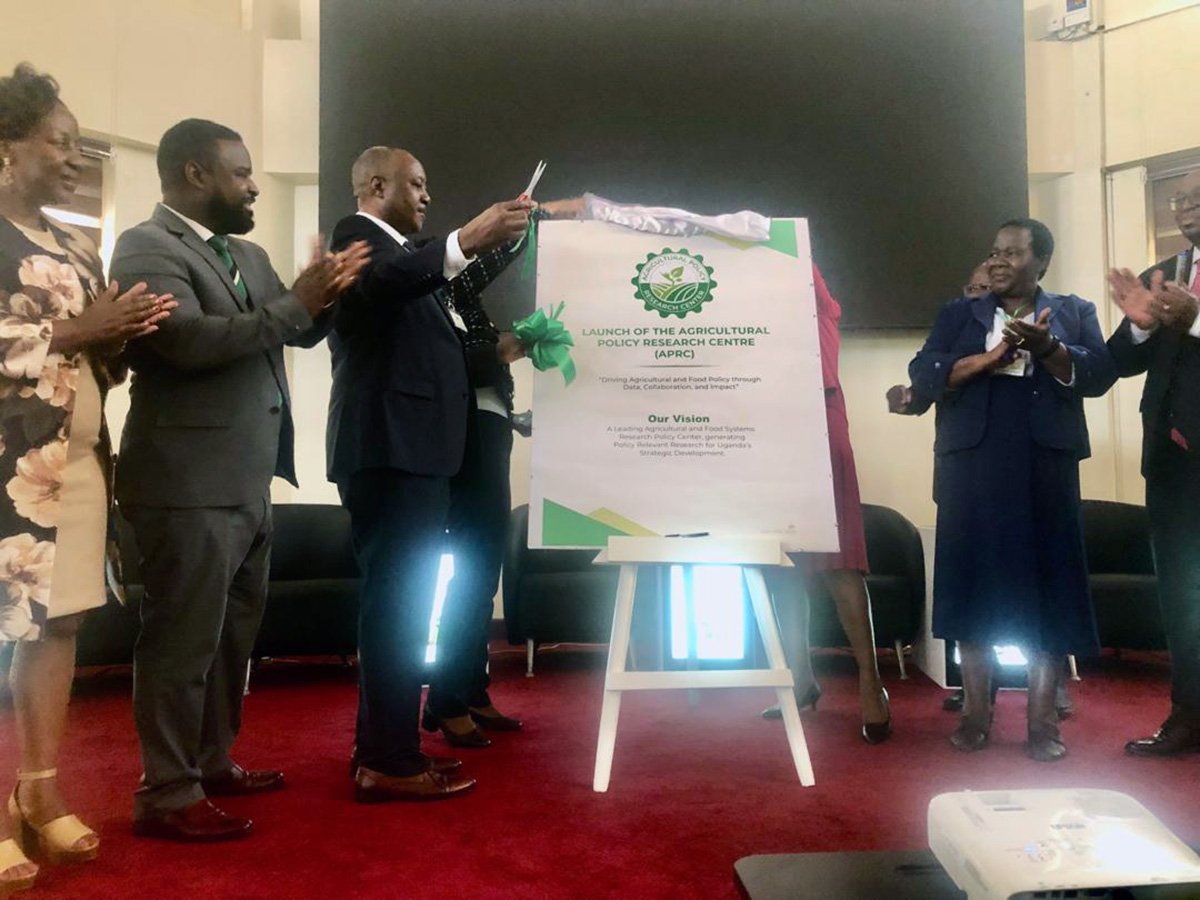
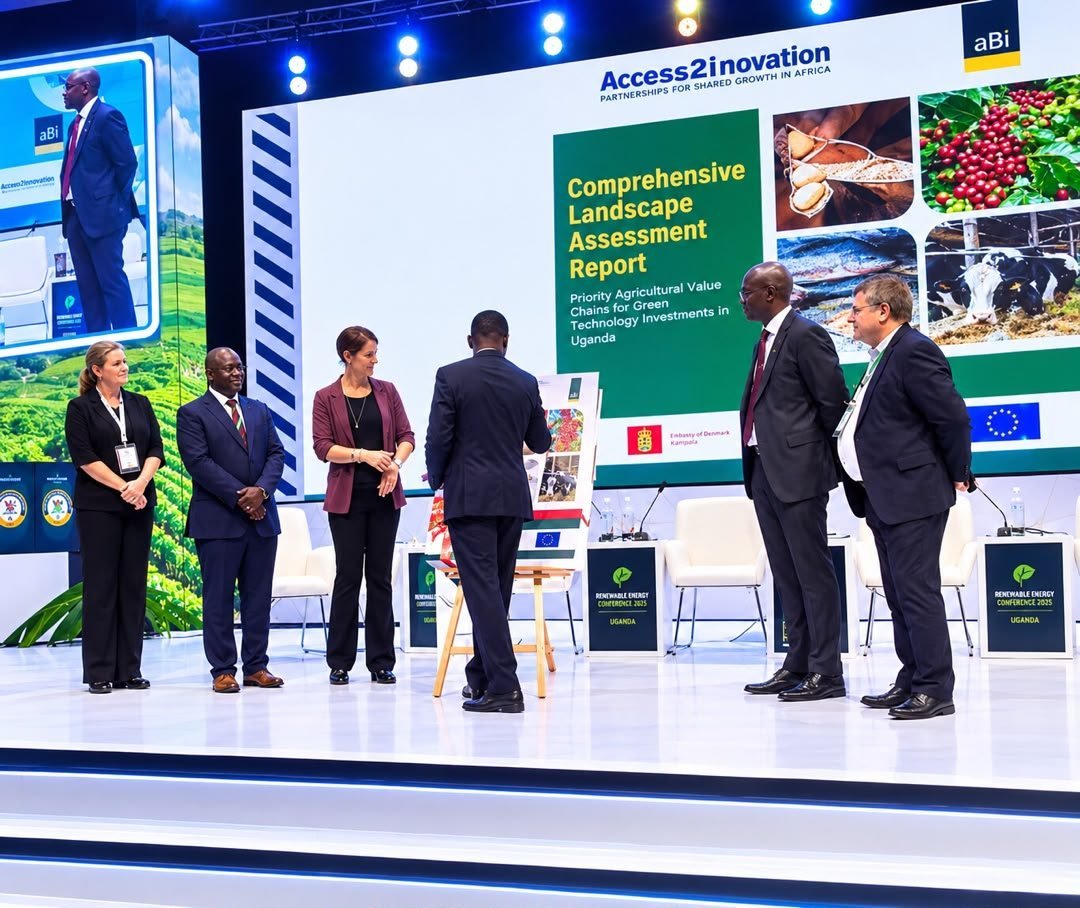
The fund, unveiled during the Renewable Energy Conference in Kampala on Wednesday, is designed to address a persistent weakness in Uganda’s agricultural economy: the gap between producing commodities and delivering processed, market-ready products that can command higher prices.
Wilson Mbasu Mbadi, the state minister for trade, said the initiative would focus on translating government policy into investments that address operational challenges across strategic agricultural value chains.
“We must look beyond policy frameworks and focus on their practical execution across our strategic value chains,” he said.
The financing model places much of the investment burden on participating businesses. Under the cereals and oilseeds window, grants will cover up to 30 per cent of eligible capital expenditure, leaving companies to raise the remaining 70 per cent through equity, loans, supplier credit or other sources.
That structure is intended to stretch development funding and encourage commercial investment. But it also introduces a constraint: businesses unable to secure affordable financing may struggle to take part, even where the proposed technology could improve productivity.
US$9.53mn additional funds
The programme’s target is to mobilise at least Shs40bn (US$9.53mn) from agribusinesses, development finance institutions and impact investors. Meeting that goal would generate nearly four dollars in additional investment for every dollar of initial funding.
The economic case rests partly on the cost of losing agricultural produce before it reaches consumers. Inadequate cold storage, unreliable electricity and limited processing capacity can reduce product quality, increase operating costs and weaken exporters’ ability to meet international standards.
Mbadi said agriculture and processing contribute more than 42 per cent of Uganda’s export revenues, while food processing accounts for more than 40 per cent of manufacturing output.
For a country seeking to capture more value from coffee, tea, grains and other agricultural commodities, better storage and processing could help extend shelf life, improve consistency and open access to more demanding markets. Solar-powered cooling and energy-efficient machinery could also reduce exposure to unreliable electricity supplies.
Key partners
The new initiative brings together aBi Development Ltd, the Danish non-governmental organisation Access2innovation, the Royal Danish Embassy and the European Union. Its budget is approximately $2.85mn, equivalent to 19mn Danish kroner.
Access2innovation chief executive Henrik Anker-Ladefoged said the programme would connect European technology providers with Ugandan businesses looking for practical solutions to agricultural production and processing challenges.
aBi Development and Access2innovation will assess agricultural value chains and identify commercially viable technologies addressing energy, water management, processing and circular-economy needs.
The programme will also offer European suppliers an opportunity to enter East African markets, where demand for agricultural infrastructure is linked to efforts to improve productivity and strengthen export competitiveness.