Uganda has launched a Shs694 billion (US$185 million) water and sanitation project to expand supply to more than 1 million people in Wakiso and Mpigi districts, as rapid urbanisation around Kampala puts pressure on existing infrastructure.
The Wakiso West Water and Sanitation Project will draw water from Lake Victoria through a treatment plant at Bwerenga, supplying communities across western Greater Kampala, including Kyengera, Nsangi, Kajjansi, Kasanje, Kiringente, Wakiso Town Council and Mpigi Town Council.
The investment will also extend to settlements along Entebbe Road and areas between the Entebbe, Masaka and Mityana roads. About 160,000 of the expected beneficiaries live in informal settlements, where access to safe and affordable water remains limited.
The National Water and Sewerage Corporation (NWSC) has awarded a consultancy contract worth US$11.11 million, excluding taxes, to a joint venture led by Danish firm NIRAS A/S and German engineering company Fichtner GmbH & Co. KG. Uganda's M&E Associates Ltd and Alliance Consultants Ltd will serve as sub-consultants.
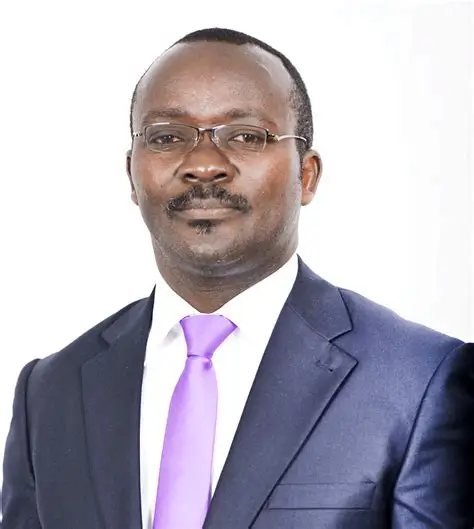
The consultants will design the project, prepare tender documents and supervise construction. NWSC Managing Director Silver Mugisha said the project would address supply constraints in communities where population growth and expanding economic activity have increased demand for water.
"Upon completion, the project is expected to provide over 1 million people with uninterrupted access to safe, reliable drinking water," Mugisha said.
Urban growth puts pressure on water infrastructure
The investment highlights the infrastructure pressures facing Greater Kampala, where residential developments, commercial activity and population growth are stretching essential services beyond the capital's administrative boundaries.
Kampala and Wakiso had a combined population of more than 5.2 million in the 2024 National Population and Housing Census, intensifying demand for water, sanitation, housing and transport infrastructure.
The existing water treatment plants at Ggaba and Katosi are located on the eastern side of Kampala. Supplying communities to the west requires water to travel longer distances through the distribution network, increasing pressure on pumping and transmission infrastructure.
Areas including Kyengera, Mutundwe, Lubowa, Buziga and Munyonyo have experienced irregular supplies, with some communities subjected to rationing.
Mugisha said demand across Greater Kampala was continuing to rise, requiring additional investment in treatment and distribution capacity.
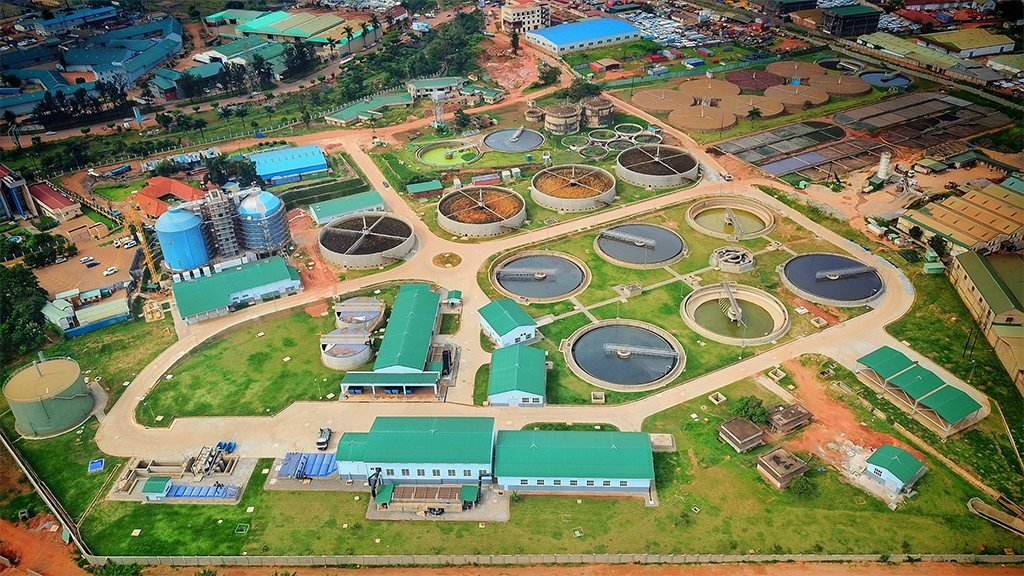
The Bwerenga treatment plant will have the capacity to produce 62.5 million litres of treated water daily, while its intake infrastructure will be capable of drawing up to 200 million litres from Lake Victoria a day.
The distribution system will include 94.2 kilometres of large transmission pipelines and another 78.5 kilometres of secondary pipelines. Five reservoirs at Kaga, Nsangi, Nanziga, Mpigi and Bukasa will provide combined storage capacity of more than 15.25 million litres.
Four pumping stations will be constructed at Buloba, Katende, Maya and Ssekiwunga to move water across the network, which will cover approximately 4,300 hectares.
Project targets informal settlements and businesses
The government is also seeking to extend the benefits to lower-income communities through 941 community water dispensers and yard taps fitted with electronic prepaid meters.
The facilities will serve informal settlements across 19 parishes, including Kimbejja, Katereke, Kisozi/Kitemu, Nsangi, Kasenge, Kikajjo, Bweya, Kitende, Namulanda, Nkungulutale, Kafumu, Kikonkoma, Lwanga, Bumoozi, Kakoola, Kavule, Maziba, Ssisa and Wamala.
The community facilities are intended to reduce the cost of accessing safe water for households unable to afford individual connections.
The project also includes a faecal sludge treatment plant along Ssekiwunga Road in Kajjansi, with capacity to process at least 400,000 litres of waste daily.
Upon completion, the project is expected to provide over 1 million people with uninterrupted access to safe, reliable drinking water
NWSC MD Silver Mugisha
The facility is expected to improve waste management in rapidly expanding settlements, where inadequate sanitation and disposal of untreated faecal sludge pose risks to water sources and public health.
Solar installations with a combined generation capacity of at least 2,945 kilowatts will also be developed at selected sites to support operations.
Beyond household consumption, the investment has implications for businesses that depend on reliable water supplies, including hotels, restaurants, schools, factories and other commercial establishments.
Unreliable water supply can increase operating costs for businesses forced to rely on alternative sources, while shortages can disrupt production and service delivery. Improved access could therefore support commercial activity as settlements around Kampala continue to expand.
For households, the project is expected to reduce the time and money spent sourcing water, while improved sanitation infrastructure could help limit environmental contamination and associated health risks.
The scale of the investment reflects the growing challenge of providing essential infrastructure in Uganda's expanding urban centres, where demand for public services is increasingly extending beyond the capacity of existing systems.