Tanzania has secured $1.2bn in commercial financing to build a new railway line linking the country's central and western regions, in a deal supported by an $800m guarantee from the African Development Bank (AfDB).
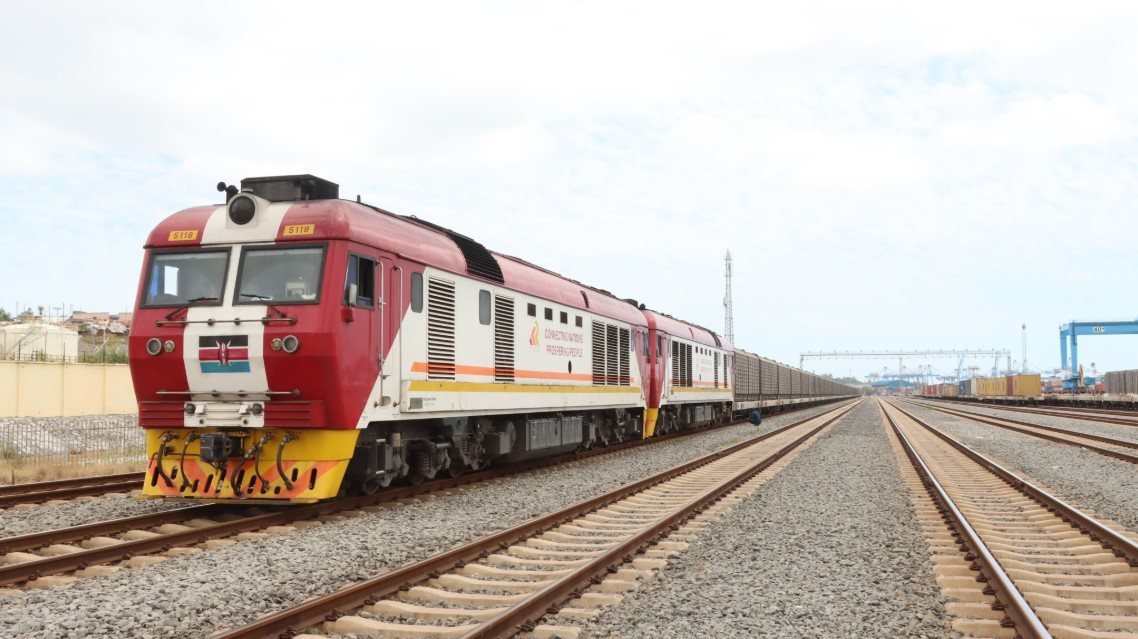
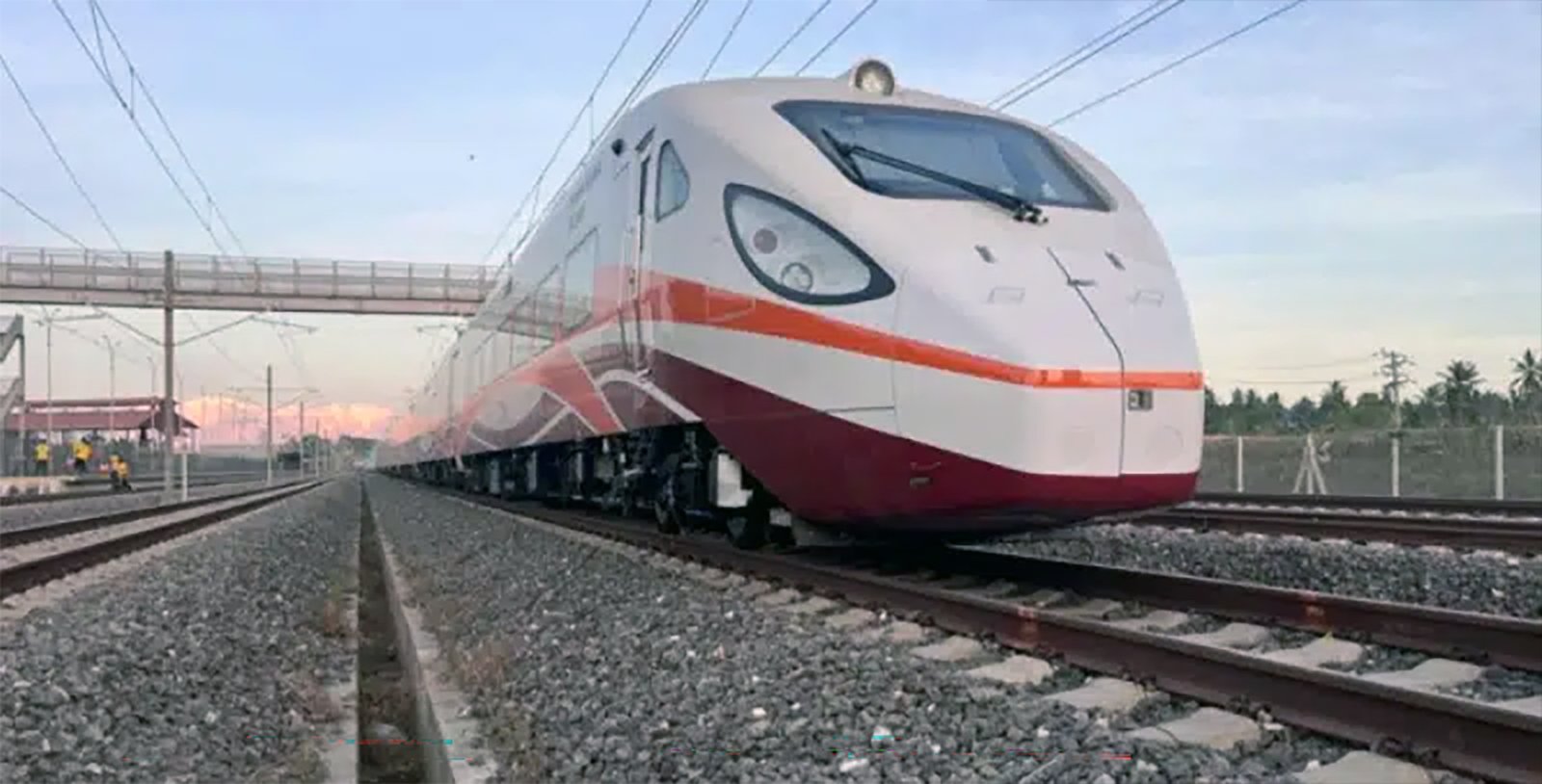
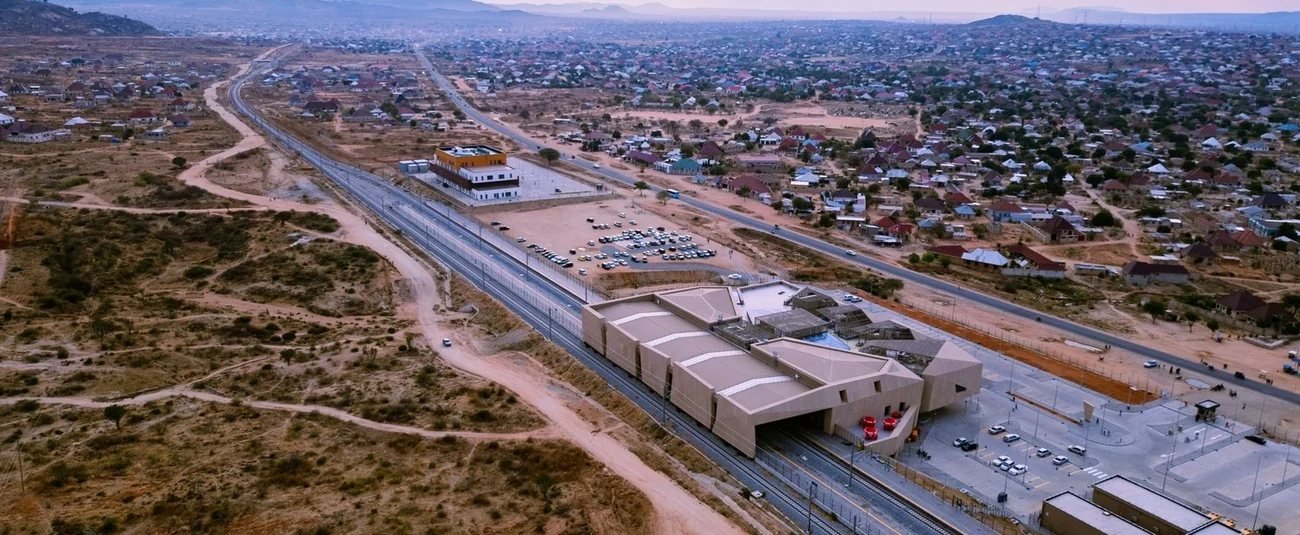
The 411km electrified Tabora-Kigoma railway line is part of Tanzania's wider Standard Gauge Railway (SGR) programme, which aims to improve transport, increase trade and strengthen connections with neighbouring countries.
The AfDB, which arranged the financing, said its $800m partial credit guarantee was the largest it had provided to date.
The funding is expected to support the construction of the railway, which will connect production areas in western Tanzania to the country's wider transport network and the port of Dar es Salaam.
The project is also expected to improve trade with the Democratic Republic of Congo (DRC) through Lake Tanganyika, using the ports of Kigoma in Tanzania and Kalemie in the DRC.
The financing was raised through a group of nine international and regional banks, led by Deutsche Bank and Société Générale as co-arrangers.
Other participating lenders include HSBC, Commerzbank, Nedbank, Stanbic Bank Tanzania, First Abu Dhabi Bank, FirstBank UK and Bank of Africa United Kingdom.
Of the $1.2bn facility, $720m is backed by the AfDB guarantee, while the remaining $480m is lending based on Tanzania's direct credit risk.
The signed facility forms part of a wider $2.3bn financing package for the railway section. The package also includes an export credit agency financing component and additional funding to be mobilised with another guarantor.
Tanzania had previously mandated the AfDB to mobilise up to $3.2bn for its wider railway development programme.
AfDB guarantee helps attract private lenders
The financing arrangement brings together development finance, commercial bank lending and insurance to help fund a major infrastructure project.
Under the agreement, the AfDB will provide a partial credit guarantee of up to $800m, covering the principal of the guaranteed loan portion and two years of interest.
The Bank will remain the guarantor of record, while insurance broker Texel has arranged credit insurance to distribute $405.5m of the exposure among international insurers, including Lloyd's syndicates.
The arrangement is intended to reduce the risks faced by commercial lenders and encourage more private investment in infrastructure development.
"By combining development finance, commercial lending and insurance capacity, we have successfully unlocked the scale of financing required to deliver this type of transformational regional infrastructure. It reflects the vision behind the New African Financial Architecture for Development (NAFAD), focusing on private capital mobilization and partnerships in risk sharing to mobilise resources at scale," said Max Ndiaye, Senior Director African Development Bank Group.
The AfDB said the approach demonstrates how development institutions can use guarantees and partnerships with private investors to finance projects that require large amounts of capital.
Railway expected to boost regional trade
The new railway is expected to make it easier and cheaper to transport agricultural produce, minerals and other goods from western Tanzania to domestic and international markets.
It will also connect businesses and producers to the port of Dar es Salaam, which serves as an important trade gateway for several landlocked countries in the region.
Through Kigoma and the port of Kalemie across Lake Tanganyika, the railway is expected to strengthen trade with eastern DRC. Tanzania's wider railway programme also aims to improve connections with Burundi and other parts of the region.
The project is expected to create jobs during construction and operation, while improving transport opportunities for farmers, mining companies and businesses.
"The strategic value of this railway lies in the productive investment it can unlock along the Central Corridor. By connecting agricultural and mineral production areas, industrial centres and markets, the investment can strengthen regional value chains and expand opportunities for businesses and communities. Our ambition is to translate this landmark financing into a corridor that supports competitive industries, creates jobs and deepens regional integration," said Mike Salawou, Director of the African Development Bank's Infrastructure and Urban Development Department.
The project forms part of the AfDB's Ten-Year Strategy for 2024-2033, which focuses on infrastructure development, mobilising African capital and strengthening regional industries.
The Bank's support also reflects its efforts to attract private investment into major African infrastructure projects, particularly those that can improve transport, expand trade and create economic opportunities across national borders.