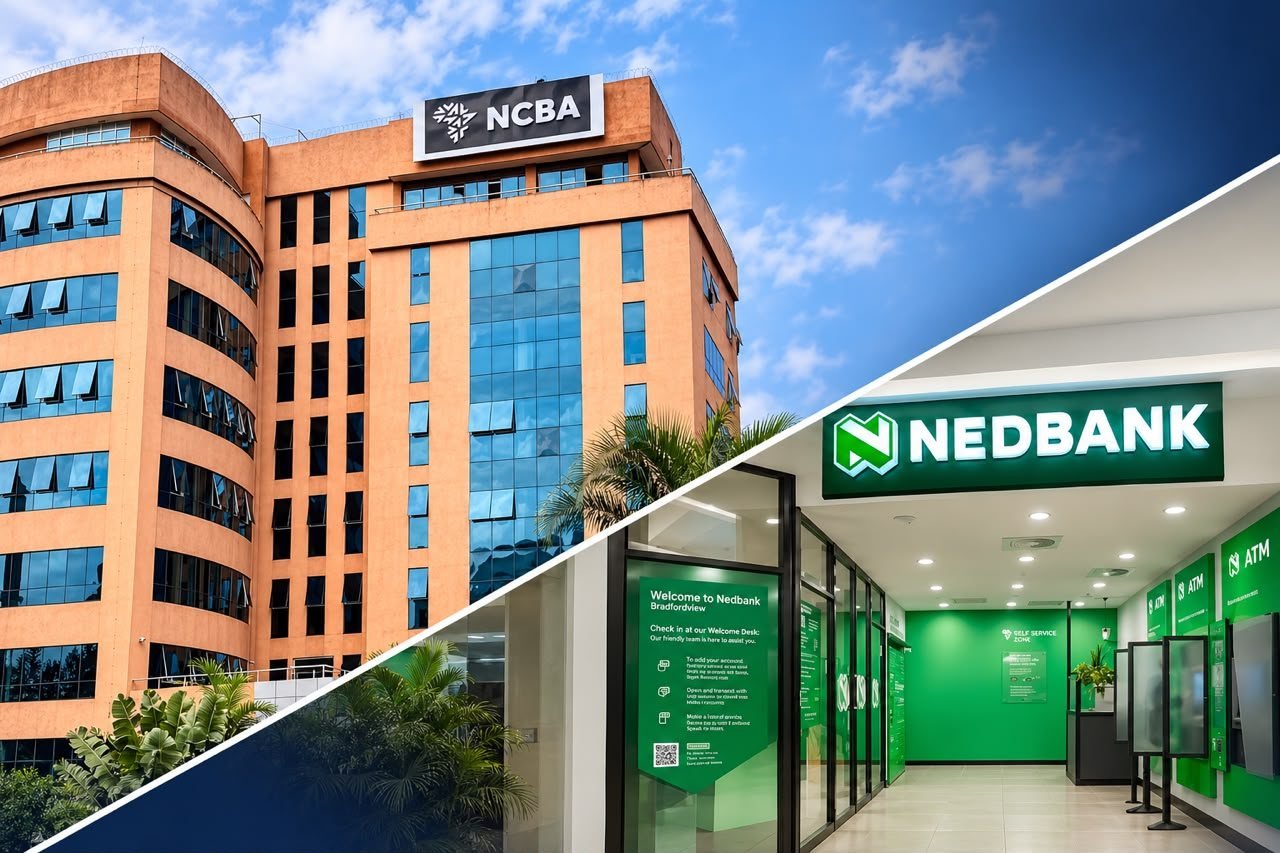
Three of Uganda’s largest commercial banks are raising lending rates following a central bank interest rate increase, adding to pressure on businesses and households already grappling with higher fuel prices and a weakening shilling.
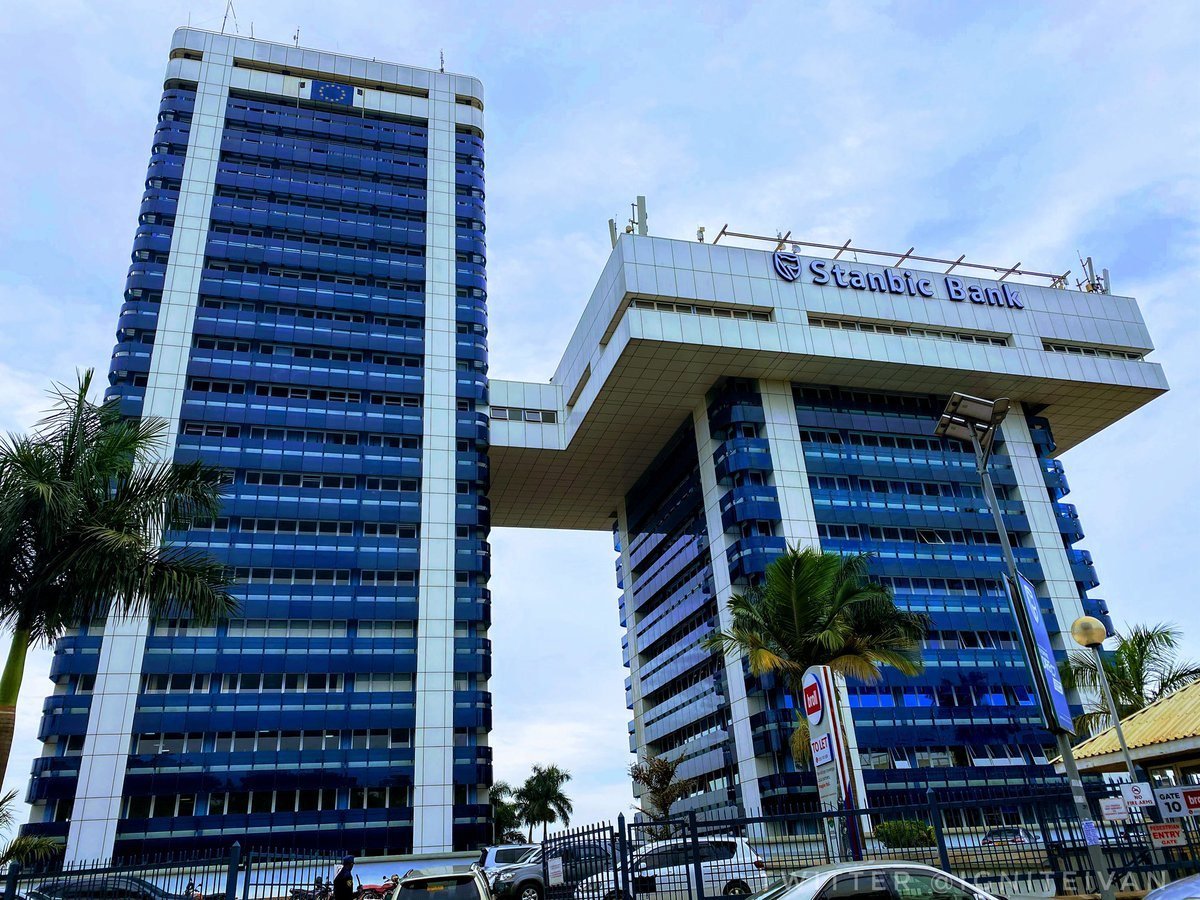
Absa Bank Uganda, dfcu Bank and Stanbic Bank Uganda have announced increases in their prime lending rates after the Bank of Uganda raised its benchmark Central Bank Rate by 225 basis points to 12% on October 14, its first increase in two years.
The move comes as rising international oil prices and currency depreciation push up the cost of imports, raising concerns that businesses will pass higher operating expenses on to consumers through increased prices of goods and services.
Absa will raise its Uganda shilling prime lending rate to 21.75% from 19.5% effective November 1. Stanbic will increase its rate to 21.75% from 19.5% on December 1, while raising its mortgage reference rate to 19% from 17.5%.
dfcu will raise its shilling prime lending rate to 22% from 20%, while its dollar-denominated rate will increase to 14% from 12%. Both changes take effect on December 1.
The adjustments will affect existing and new credit facilities linked to the respective rates, subject to loan agreements.
Uganda’s fuel prices have climbed sharply in recent weeks, with petrol selling at about Shs 7,000 (US$1.56) per litre, increasing transport and production costs. The shilling has also weakened to nearly 4,500 against the dollar, its lowest level in more than three decades, making imported fuel, machinery and industrial inputs more expensive.
The combination is threatening to spread inflationary pressures across the economy. Manufacturers, transport operators and traders face higher operating costs, while consumers risk paying more for food, manufactured goods and services.
Annual headline inflation rose to 5.8% in October from 4.6% in September, driven by higher fuel and food prices, as well as the depreciation of the shilling.
The central bank expects inflation to average between 7% and 7.5% over the next 12 months, above its medium-term target of 5%.
BoU
The central bank expects inflation to average between 7% and 7.5% over the next 12 months, above its medium-term target of 5%.
The Bank of Uganda said its rate increase was intended to contain inflationary pressures, limit the effects of higher energy prices and currency depreciation, and anchor inflation expectations.
But higher borrowing costs could weigh on investment and economic activity as businesses reassess expansion plans and households face potentially larger loan repayments.
The central bank has lowered its economic growth forecast for the 2026/27 financial year to between 6% and 6.5%, from an earlier projection of 7% to 7.5%, citing tighter financial conditions, currency depreciation and higher energy costs.
The rate increases by the commercial banks illustrate how the central bank's tighter monetary policy is filtering through to the wider economy, potentially slowing credit growth just as businesses need financing to absorb rising operating costs.