dfcu Bank has secured a $32.9 million credit facility from the African Export-Import Bank (Afreximbank) to expand financing for businesses across the country's productive sectors, at a time when rising interest rates are increasing the cost of domestic borrowing.
The revolving facility, equivalent to 30 million euros, will support working capital and capital investment for eligible businesses in agriculture, manufacturing, trade, infrastructure, energy, financial services, hospitality and logistics.
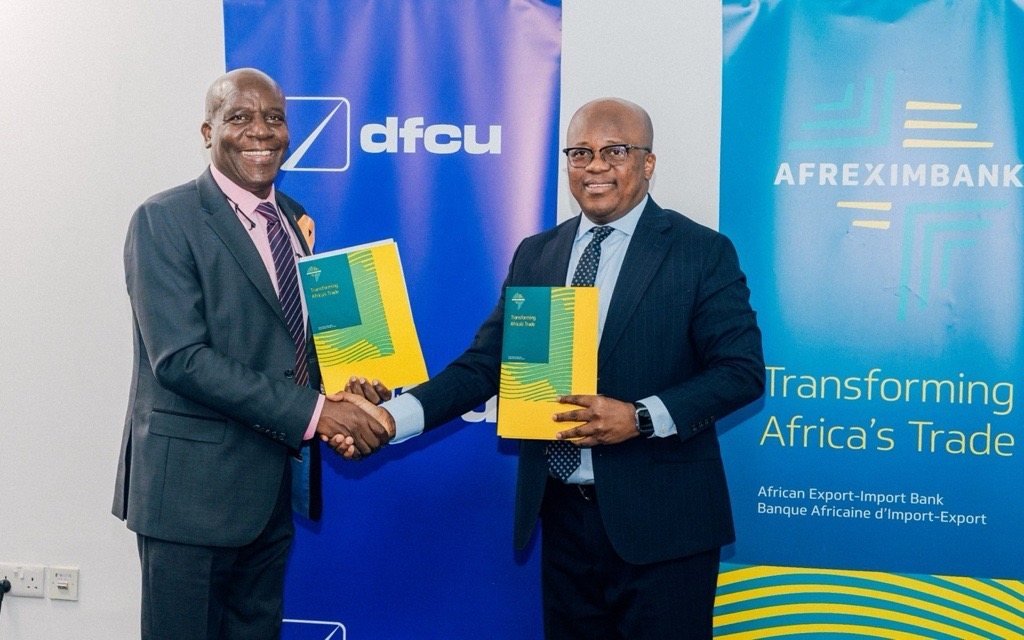
The agreement was signed on November 24 at Afreximbank's regional headquarters in Kampala by Humphrey Nwugo, the lender's regional director for Eastern Africa, and dfcu Bank Chief Executive Charles Mudiwa.
The financing gives dfcu access to an additional pool of offshore capital that it can lend to businesses seeking to expand production, purchase equipment and strengthen their participation in regional and international trade.
However, the facility does not necessarily mean businesses will access loans at lower interest rates. Neither bank disclosed the lending rates or specific borrowing terms that will apply to companies accessing the money.
The cost of credit will therefore depend on the terms dfcu offers eligible borrowers, rather than simply the source of the funding.
The agreement comes as Ugandan businesses face rising borrowing costs following a tightening of monetary policy by the Bank of Uganda.
The central bank raised its benchmark Central Bank Rate by 225 basis points to 12% on October 14, its first increase in two years, prompting commercial banks to review their lending rates.
In September, the average interest rate on shilling-denominated loans stood at 17.19%, while outstanding private-sector credit reached about 29.9 trillion shillings ($8.2 billion), according to Bank of Uganda data.
Commercial banks have since announced further increases in lending rates. dfcu plans to raise its shilling prime lending rate to 22% from 20% and its dollar lending rate to 14% from 12%, effective December 1.
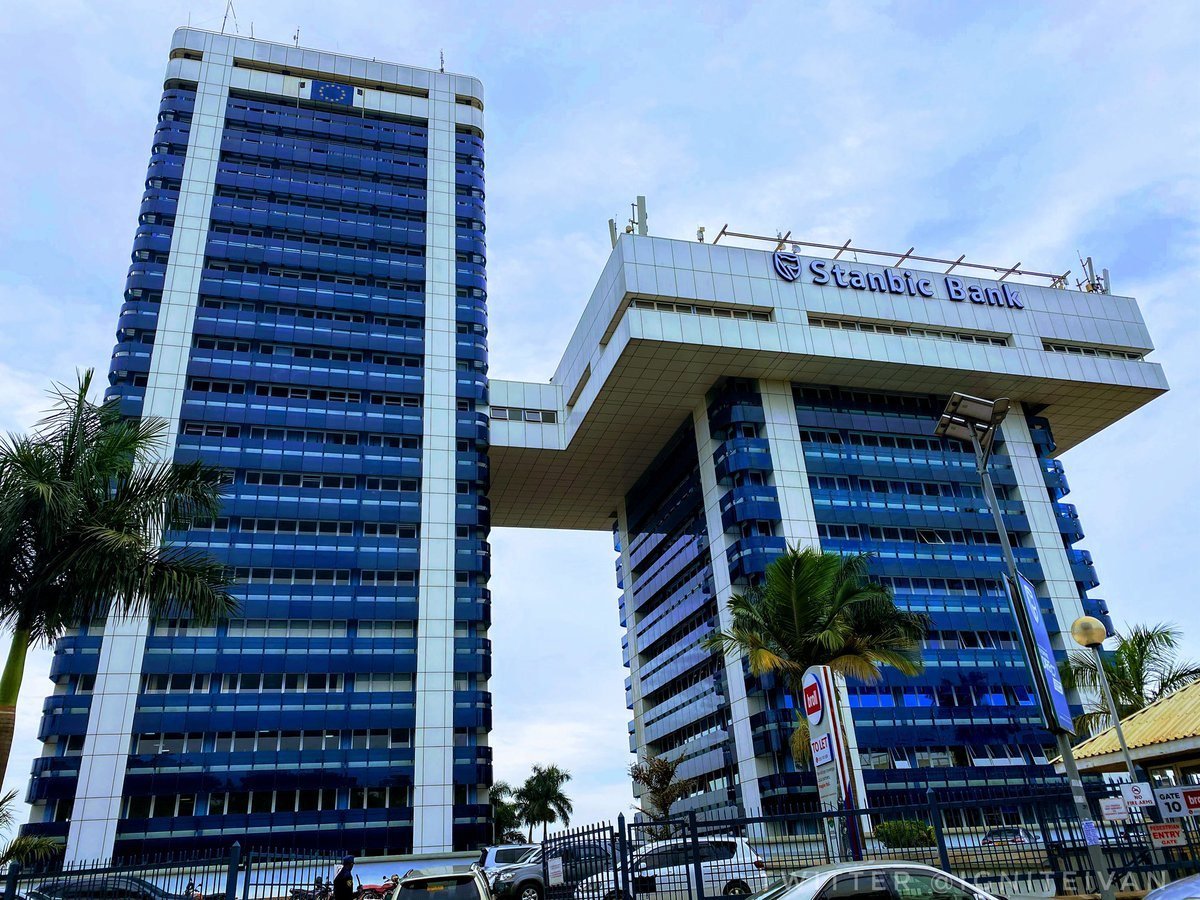
Absa Bank Uganda raised its shilling prime lending rate to 21.75% from 19.5% effective November 1, while Stanbic Bank Uganda plans to increase its rate to 21.75% from 19.5% on December 1. Stanbic will also raise its mortgage reference rate to 19% from 17.5%.
Higher borrowing costs can constrain businesses' ability to finance inventories, purchase machinery, increase production and invest in expansion. For exporters and manufacturers, access to working capital is particularly important because they often have to finance production, processing and transportation before receiving payment from buyers.
Bank lending is an important source of financing for Uganda's private sector, supporting investment, production, employment and trade. Businesses that can access capital are better positioned to increase output, expand their operations and participate in domestic and international markets.
At dfcu, we believe that access to capital is a catalyst for transformation
dfcu Bank Chief Executive Charles Mudiwa
The Afreximbank facility provides dfcu with additional lending capacity to support these activities. Its economic contribution, however, will depend on how much of the money reaches businesses, the companies that qualify and the terms on which the financing is extended.
The transaction also marks Afreximbank's first extension of a revolving short-term credit facility to a Ugandan bank, as the pan-African lender seeks to deepen its financing of trade and productive activities across the continent.
Nwugo said the facility would help improve access to trade finance, trade-related financing and project funding in Uganda, particularly for businesses involved in value-added exports.
He said the financing would support companies in agribusiness, manufacturing, infrastructure and energy, financial services, hospitality and logistics.
The facility is consistent with Afreximbank's broader mandate to promote the export of value-added commodities and manufactured products from African countries, while supporting activities that increase foreign exchange earnings and improve productivity.
For Uganda, expanding financing for businesses involved in processing, manufacturing and exports is important to efforts to increase the value of goods produced locally and diversify sources of foreign exchange.
Mudiwa said the facility would strengthen dfcu's ability to finance businesses expanding Uganda's productive economy and participating in export value chains.
"At dfcu, we believe that access to capital is a catalyst for transformation," he said.
He said the partnership would help enterprises expand their operations and compete more effectively in regional and international markets.
"Together, we are enabling businesses to scale, create jobs and contribute meaningfully to Uganda's economic prosperity," Mudiwa said.