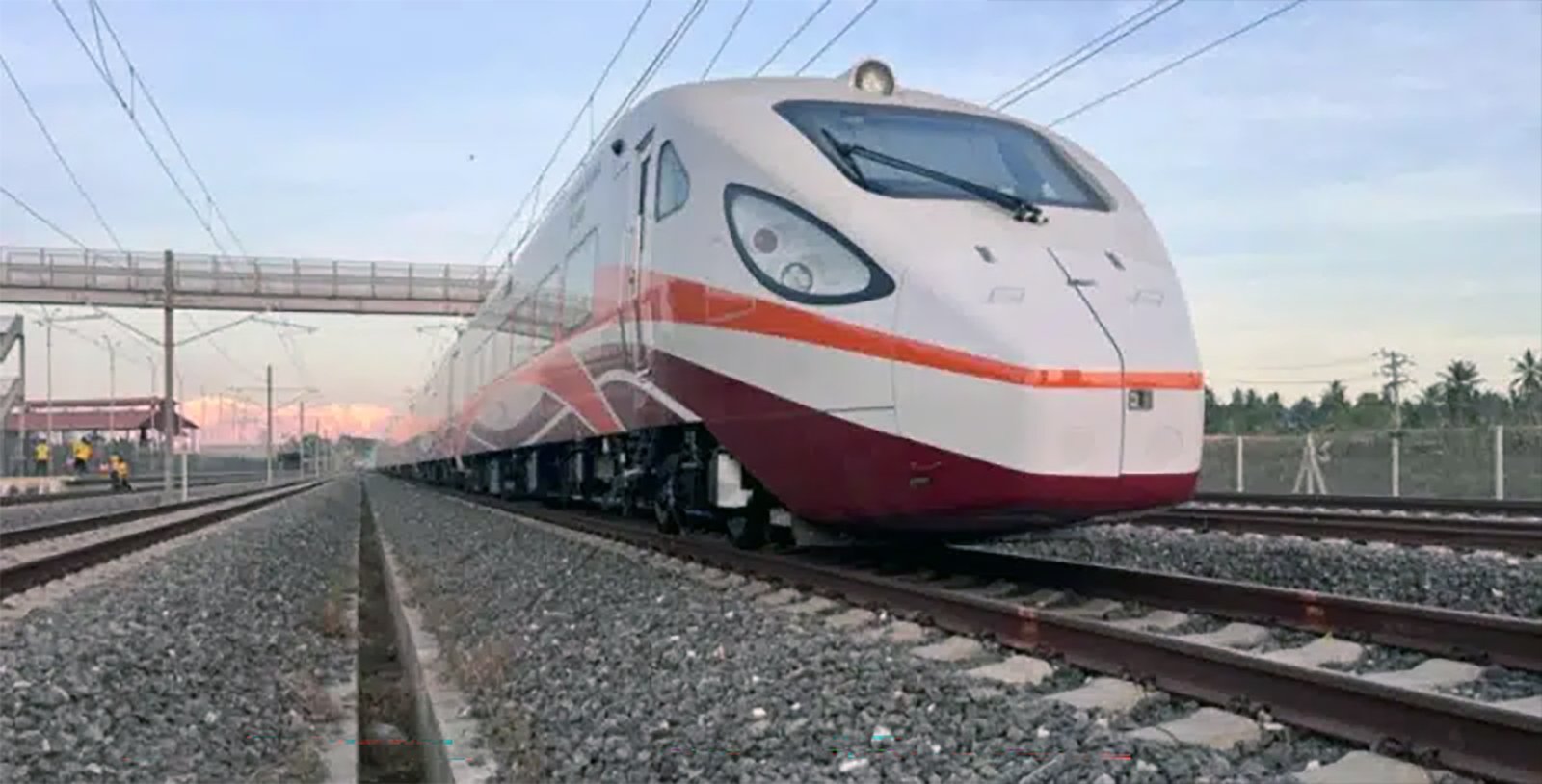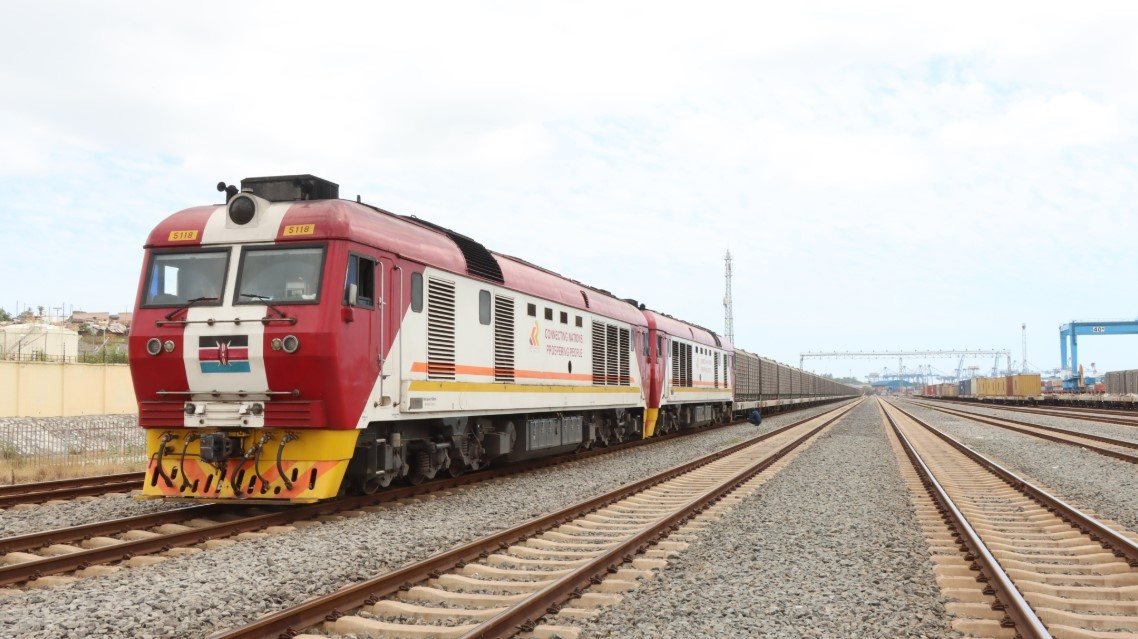
Kenya plans to invest an initial $38.5m in extending its standard gauge railway (SGR) towards Tanzania, in a move that could reshape freight transport, deepen regional trade and intensify competition between East Africa’s transport corridors.
The proposed 130km line will branch off the existing railway between the port of Mombasa and Nairobi at Voi. It will pass through Mwatate, Bura and Mwakitau in Taita Taveta county before reaching the Tanzanian border at Taveta.
The extension is intended to provide a direct rail connection for passengers and freight between Mombasa and northern Tanzanian commercial centres, including Moshi, about 40km west of Taveta, and Arusha, near Mount Kilimanjaro.
The new railway will offer businesses an alternative to road transport, potentially reducing the cost and time involved in moving goods across the border. A more efficient connection between the two countries could also support trade in agricultural produce, minerals and manufactured goods, while improving access to markets for businesses in border communities.
Kenyan President William Ruto has also announced plans for an inland freight transshipment depot at Voi. The facility is expected to allow cargo to be transferred between different modes of transport, strengthening the town’s role as a logistics hub and potentially attracting investment in warehousing, distribution and related services.
The railway extension is being pursued alongside plans to restore an older metre-gauge line along the same route, which has been out of service for nearly two decades. If both projects proceed, they could expand the capacity available for moving goods and passengers, although the economic benefits will depend on the cost of construction, the volume of traffic and the efficiency of cross-border operations.
The development comes as East African countries seek to improve railway connectivity and reduce their reliance on road transport for long-distance freight. But the expansion of infrastructure across the region also raises questions about how effectively neighbouring countries will connect their networks and coordinate customs procedures, cargo handling and operating standards.
Kenya is advancing construction of its standard gauge railway towards the western border. On October 8, Kenya Railways Managing Director Philip Mainga inspected works on the Naivasha-Kisumu-Malaba extension, where construction is under way in Narok county.
The line towards Malaba is strategically important for Uganda, which is building a 272km electrified SGR from Kampala to the Kenyan border at an estimated cost of €2.7bn.
Once connected and operational, the two networks could provide a continuous railway route linking Uganda to Mombasa, potentially offering importers and exporters an alternative to transporting goods by road.
The benefits, however, will depend on the completion of both projects, competitive freight charges, reliable services and efficient border procedures.
The proposed connection to Tanzania adds another dimension to the region’s transport ambitions. Tanzania and Burundi are advancing plans for a standard gauge railway along the Central Corridor, designed to connect the port of Dar es Salaam with landlocked markets including Burundi, the Democratic Republic of Congo, Rwanda, Uganda and Zambia.
However, infrastructure alone does not guarantee increased trade. The commercial success of these projects will depend on whether railway services can compete with road haulage, whether sufficient freight volumes are available to justify the investment and whether governments can remove administrative barriers at borders.