
Uganda’s next phase of economic transformation will not be determined simply by how much capital the country can mobilise, but by where that capital flows, what it finances and what it ultimately enables.
The Ugandan economy has given us reason for confidence. Growth has remained strong, estimated at around 6.3 to 6.4 per cent in both FY 2024/25 and FY 2025/26, while private-sector credit continues to expand. But growth and credit volumes alone do not tell us whether financing is reaching the businesses that will define Uganda’s next decade.
Bank of Uganda data show commercial bank lending rates on shilling-denominated loans at around 18.9 per cent in April 2026, although rates have eased somewhat since. At that cost, financing struggles to reach investments whose returns are measured in years rather than months. The real debate is not just about how much credit is available, but what it enables and whether it can be made affordable and patient enough to support investments that build lasting productive capacity.
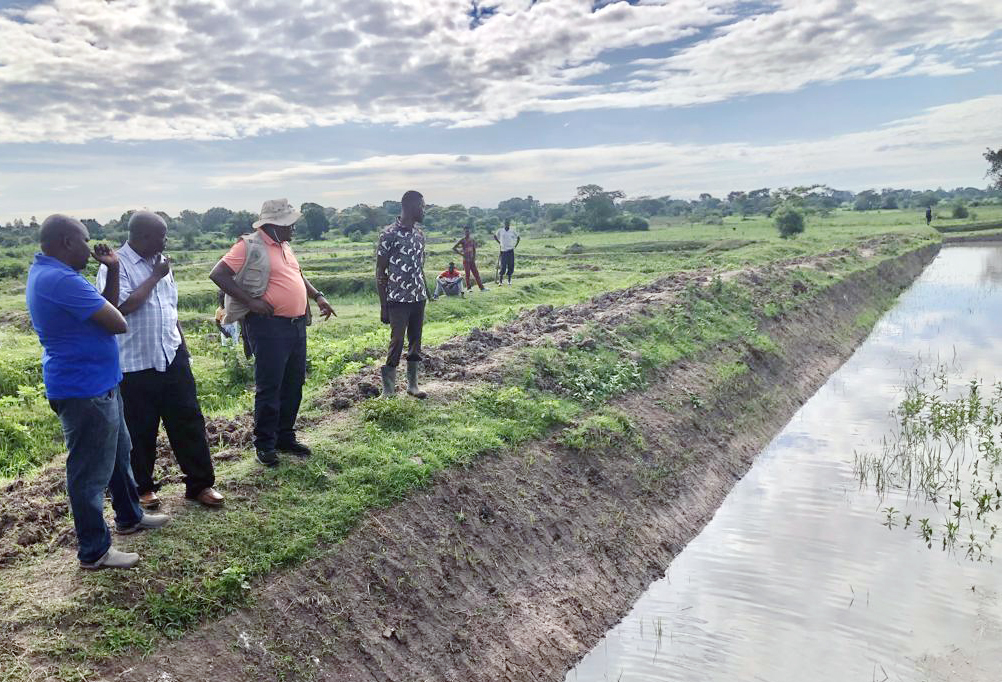
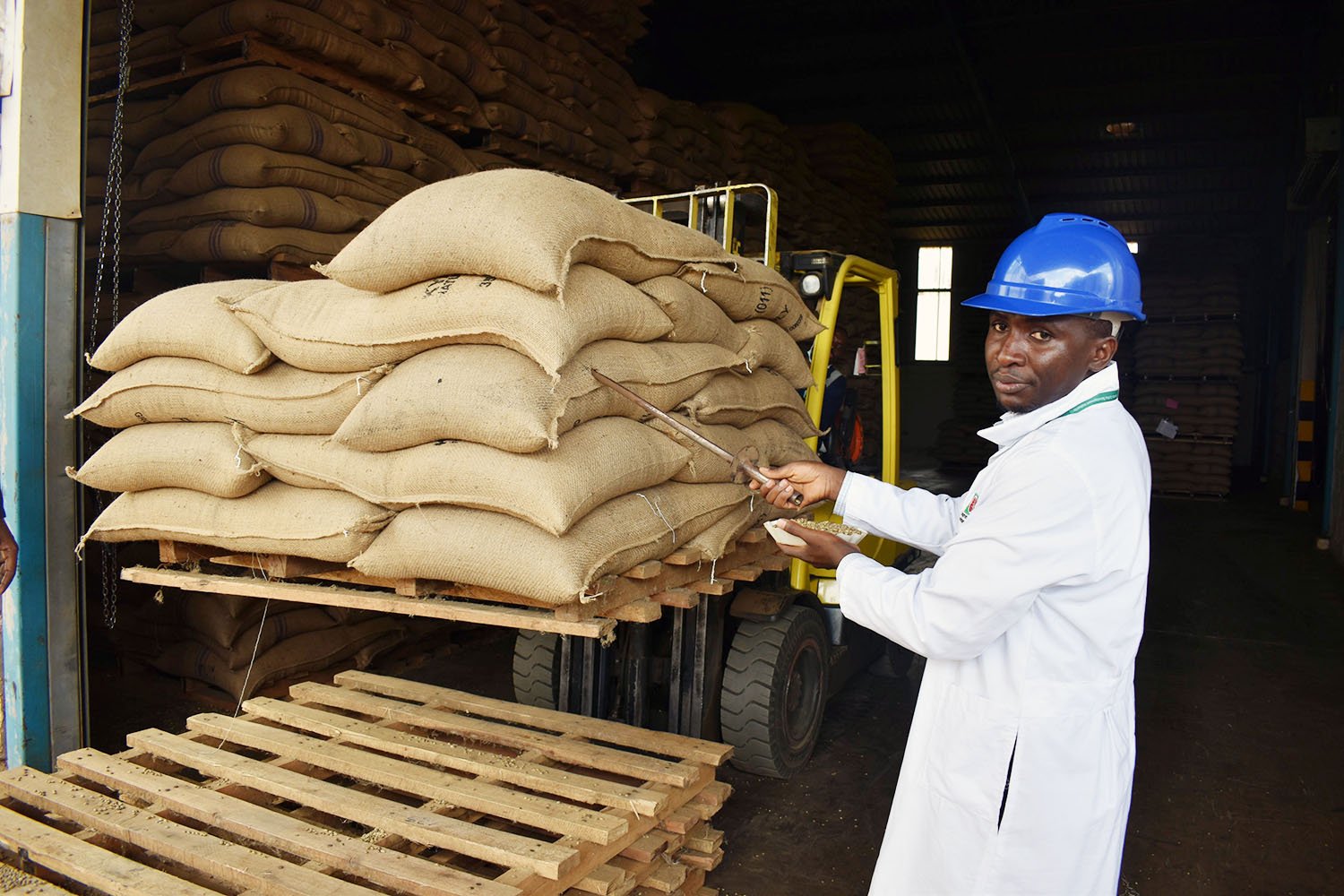
Agriculture is the clearest example. Uganda already produces in abundance, but the economic gains that matter now will come from processing what we grow rather than exporting it in raw form. This means financing irrigation and modern farming equipment, post-harvest storage and cold-chain infrastructure, agro-processing plants, packaging, transport and logistics, export-oriented agribusiness, and technologies that strengthen climate resilience. The central question is where capital can best help Uganda shift from producing raw commodities to higher-value goods.
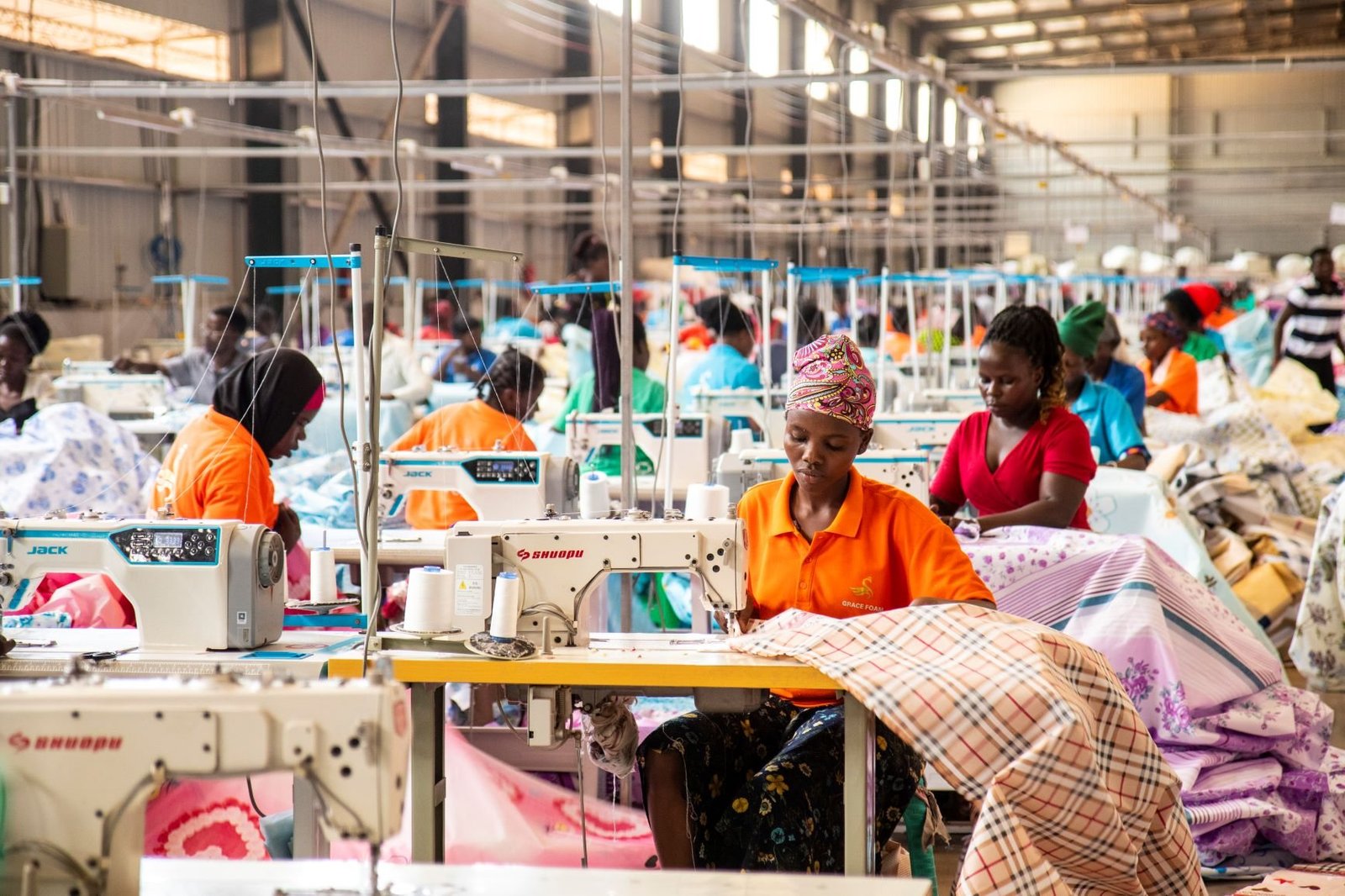
Manufacturing tells a related story. The priority must be capital expenditure and patient financing that expand productive capacity rather than fund immediate consumption. This includes machinery and technology upgrades, industrial parks, local supply chains, working capital for manufacturers, export-oriented production and support for the small and medium-sized enterprises (SMEs) that supply larger industrial players.
SME financing deserves a rethink of its own. It is easy to describe SME lending simply as lending to small businesses. It is far more useful to see it as financing the next generation of employers. Many businesses are not short of ideas or markets. They are constrained by insufficient working capital, short loan tenors, limited collateral, informality, weak financial records, an inability to finance equipment and difficulties entering larger supply chains. Addressing these constraints could have a significant multiplier effect on employment.
All of this depends heavily on productive infrastructure. Businesses become truly competitive when energy, transport, logistics, digital networks, water, industrial facilities, warehousing and urban infrastructure are reliable enough to support growth. This is where blended finance holds considerable potential, with government, development finance institutions, commercial banks, institutional investors and private investors each taking on a distinct layer of risk.
Green and climate-resilient investment is no longer a future consideration. The question is not whether Uganda will need it, but whether capital will reach businesses early enough to help them adapt. Renewable energy, energy efficiency, climate-smart agriculture, waste management, green manufacturing and resilient infrastructure all compete for the same pool of financing.
At DTB, our experience working with businesses across agriculture, manufacturing, tourism and other sectors reinforces a simple lesson: financing has the greatest economic impact when it helps a business acquire productive assets, enter a new market, increase capacity or connect to a larger value chain.
Banks are already seeing where the main bottlenecks lie. Loan tenors remain short relative to the needs of productive investment, risk perceptions weigh heavily against sectors such as agriculture and manufacturing, collateral requirements exclude viable businesses, and informality makes credit assessment more difficult than it needs to be. These are solvable problems, and addressing them should guide the next phase of financing.
Four shifts would help.
First, move from short-term lending towards patient capital where the underlying investment justifies it. Second, mobilise private capital towards national priorities rather than leaving government and development finance institutions to shoulder the risks alone. Third, finance businesses based on their growth potential, not just the strength of their balance sheets or the collateral they can offer. Fourth, measure financing success by economic outcomes, including jobs created, productivity gains and value added, rather than simply the volume of credit disbursed.
Uganda’s next phase of growth will not be determined simply by how much capital we mobilise, but by where we choose to invest it. Agriculture and value addition, manufacturing, high-potential SMEs, productive infrastructure and climate-resilient investment are the areas where capital can deliver the greatest economic benefits. Ultimately, capital should follow productivity, value addition, job creation and export potential.
Kaziro Kyambadde is the Head Corporate Institutional and Business Banking at DTB Bank Uganda.





Subscriber comments
A space for subscribers to respond to this column. Comments are reviewed before they appear. Be civil and stay on topic.
No comments yet. Be the first to respond.