Uganda’s annual headline inflation accelerated to 5.8% in October from 4.6% in September, as rising food and fuel prices and a weakening shilling increased pressure on household purchasing power and business operating costs.
The increase points to widening inflationary pressures across the economy, with food, energy, transport and other services all recording higher annual price growth, according to data released Friday by the Uganda Bureau of Statistics (UBOS).
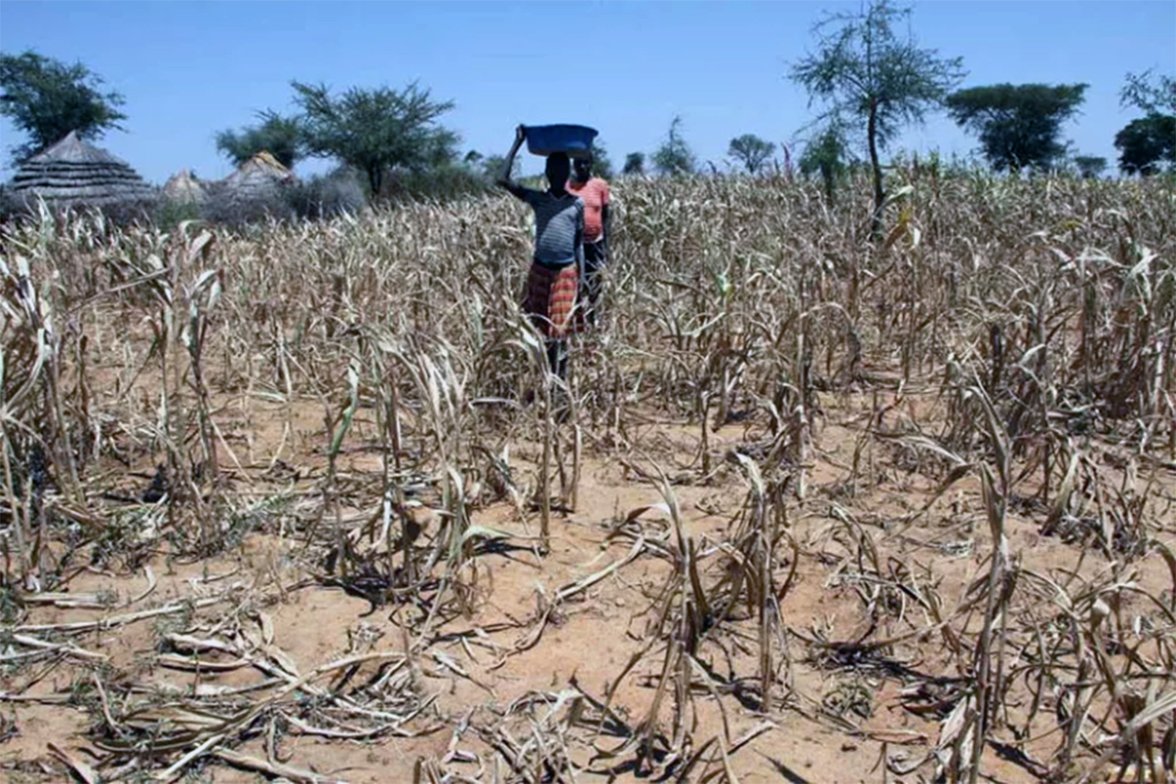
Food crops and related items recorded one of the sharpest increases, with annual inflation more than doubling to 10.7% from 4.5% in September, reflecting rising costs of key agricultural commodities.
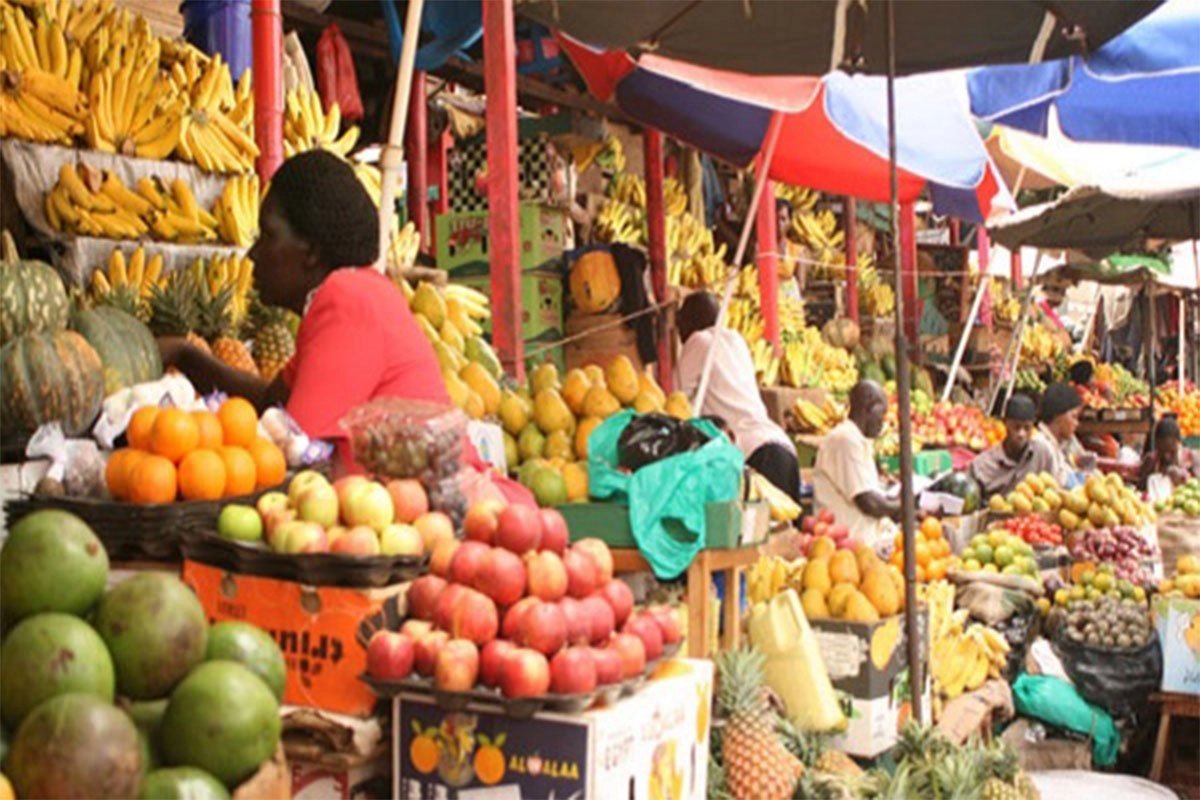
Pineapple prices surged 25.5% over the year, reversing a 6.4% decline in September, while tomato prices rose 3.9% after falling 13.8% a month earlier. Matoke prices declined by 0.9%, compared with a 7.9% drop in September.
The increase also extended to processed food products. Annual inflation for cassava flour climbed to 37% from 33%, while beef prices rose to 9.2% from 8.4%. Rice inflation accelerated to 8.2% from 6.1%, while maize flour prices increased to 6.2% from 1.1%. Refined cooking oil prices rose to 4.4% from 2.9%.
Samuel Echoku, the head of Macroeconomic Statistics at UBOS, attributed the acceleration partly to the depreciation of the shilling and higher fuel prices, saying the developments called for government interventions to strengthen the economy.
Currency depreciation increases the cost of imported fuel, machinery and industrial raw materials, raising expenses for businesses that depend on foreign supplies. Combined with higher transport costs, this creates pressure for companies to increase prices to protect their margins.
Energy, fuel and utilities inflation rose to 15.4% in October from 14.5% in September. Diesel prices increased by 49.2% over the year, compared with 42.5% in September, while petrol prices rose by 34.3% from 30.9%.
Firewood prices increased by 15.5%, while cooking gas prices rose by 10.1%.
Services inflation also accelerated to 5.3% from 4.6%, driven partly by higher transportation costs. Passenger transport inflation rose to 14.6% from 11.2%, while refuse collection charges increased to 40.3% from 27.4%. Inflation for restaurant and accommodation services edged up to 2.8% from 2.3%.
Businesses face a parallel squeeze as higher input costs threaten profit margins and could force them to reconsider investment and expansion plans.
The broader increase in prices threatens to erode household incomes, particularly among lower-income earners who spend a larger proportion of their earnings on food, transport and other essentials. Businesses face a parallel squeeze as higher input costs threaten profit margins and could force them to reconsider investment and expansion plans.
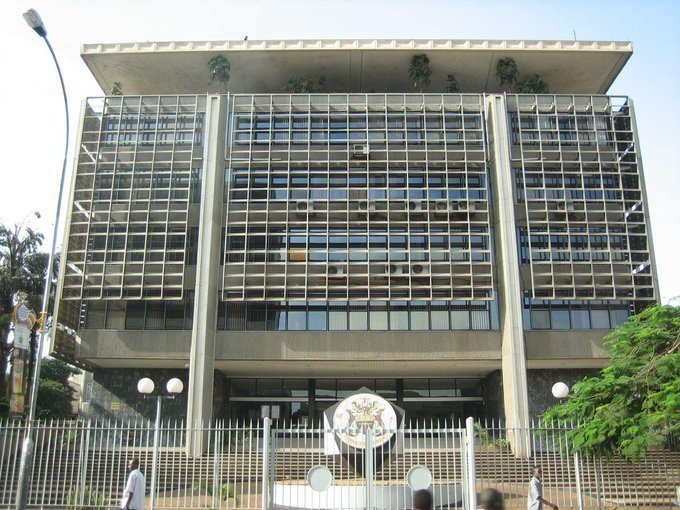
The inflation figures add to the challenge facing the Bank of Uganda, which raised its Central Bank Rate to 12% from 9.75% in October, its first increase in two years, as policymakers sought to contain price pressures and support the shilling.
The central bank cited higher fuel prices, currency depreciation and uncertainty surrounding the conflict in the Middle East as risks to the inflation outlook.
Higher interest rates can help moderate demand and contain the spread of price increases, but they also make borrowing more expensive for businesses and households, potentially slowing investment and consumption.
The policy dilemma is that much of the current inflationary pressure is originating from external factors, including international fuel prices and exchange-rate movements.
While tighter monetary policy can limit the extent to which these costs feed into domestic prices, it cannot directly reverse the underlying external shocks.